
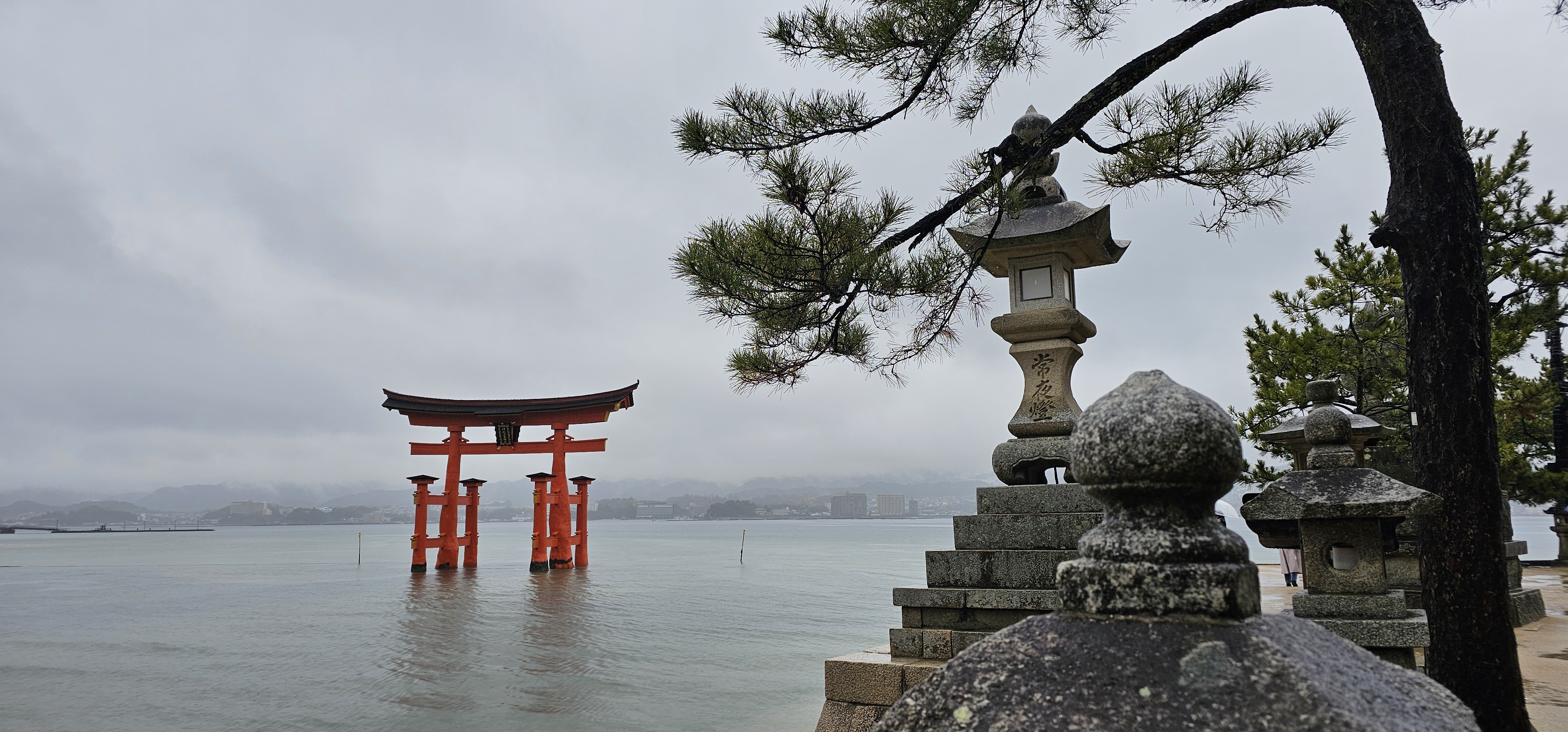
Itsukushima, also known as Miyajima, is a small island in Hiroshima Bay in the western part of Japan. Miyajima is well known because it has one of the famous scenery overlooking the great O-Torii Gate that is partially submerged during high tide. Miyajima literally translated to Shrine Island. For Japanese, it is a sacred place same with Mt. Fuji.
How did I get there?
Same as how I get to Hiroshima on my 1st day, I took the Shinkansen from Osaka Station to Hiroshima. I bought the JR Kansai-Hiroshima Area pass via Klook. It allowed me to use this pass for 5 days so I can visit places in Kansai and Hiroshima. This pass allowed me to sit in a reserved or non-reserved seat of Shinkansen. Since I do not have time to reserve a seat, I just hopped to any cars from 1 to 4 to get a non-reserved seat. You can choose any vacant seats from these cars.
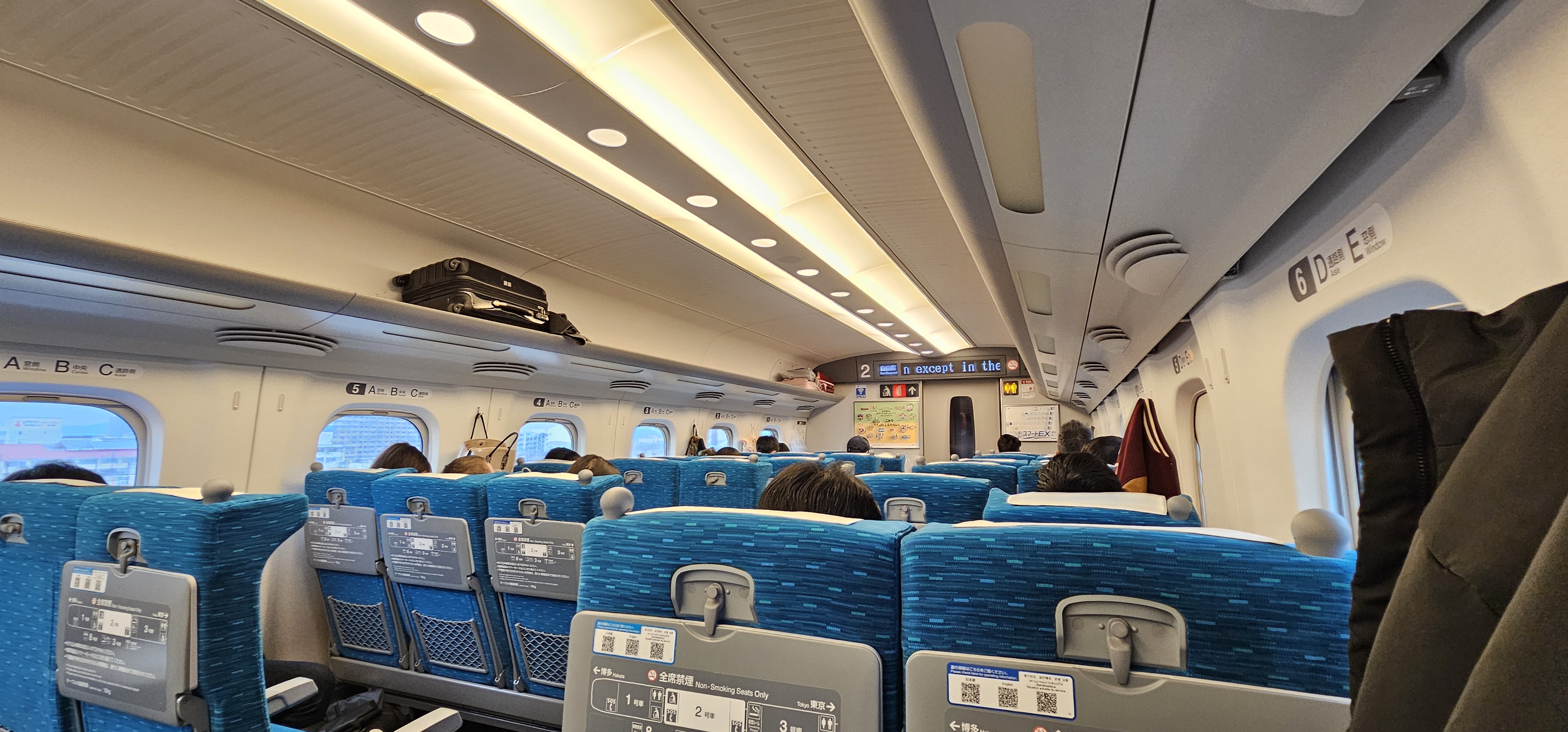
After arriving at Hiroshima Station, I rode another train going to Miyajimaguchi Station. The train took about 45 minutes from Hiroshima. It was another comfy train ride while it was raining outside. There were lesser tourists that day going to Miyajima, maybe because of the rain.
As I arrived in Miyajimaguchi Station, I walked for 10 minutes to reach the Miyajmaguchi Port. If you want to be direct stop from the Hiroshima to the port, you may opt to ride Hiroden-miyajima-guchi Station. It is just across the port.
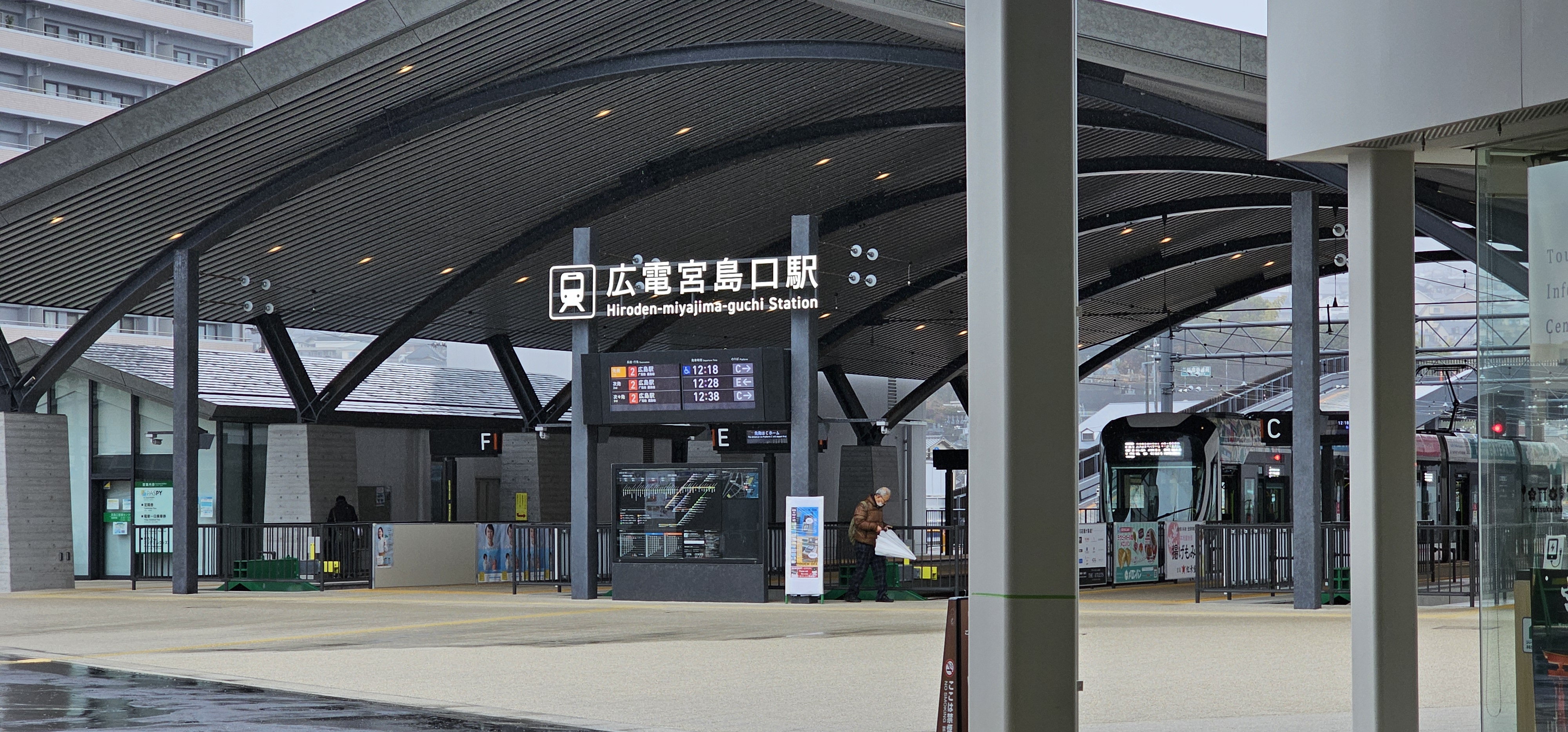
However, for me, so I can consume my JR pass wisely, that was the route I took. A 10-minute walk is fine with me. At the port, I paid ¥ 100 for tax. Ferry schedule was displayed at the port. As for me, I was a bit late and waited another 10 minutes. Before 12:25PM, ferry guards allowed to enter the port. I presented my JR Pass and the ¥100 ticket.
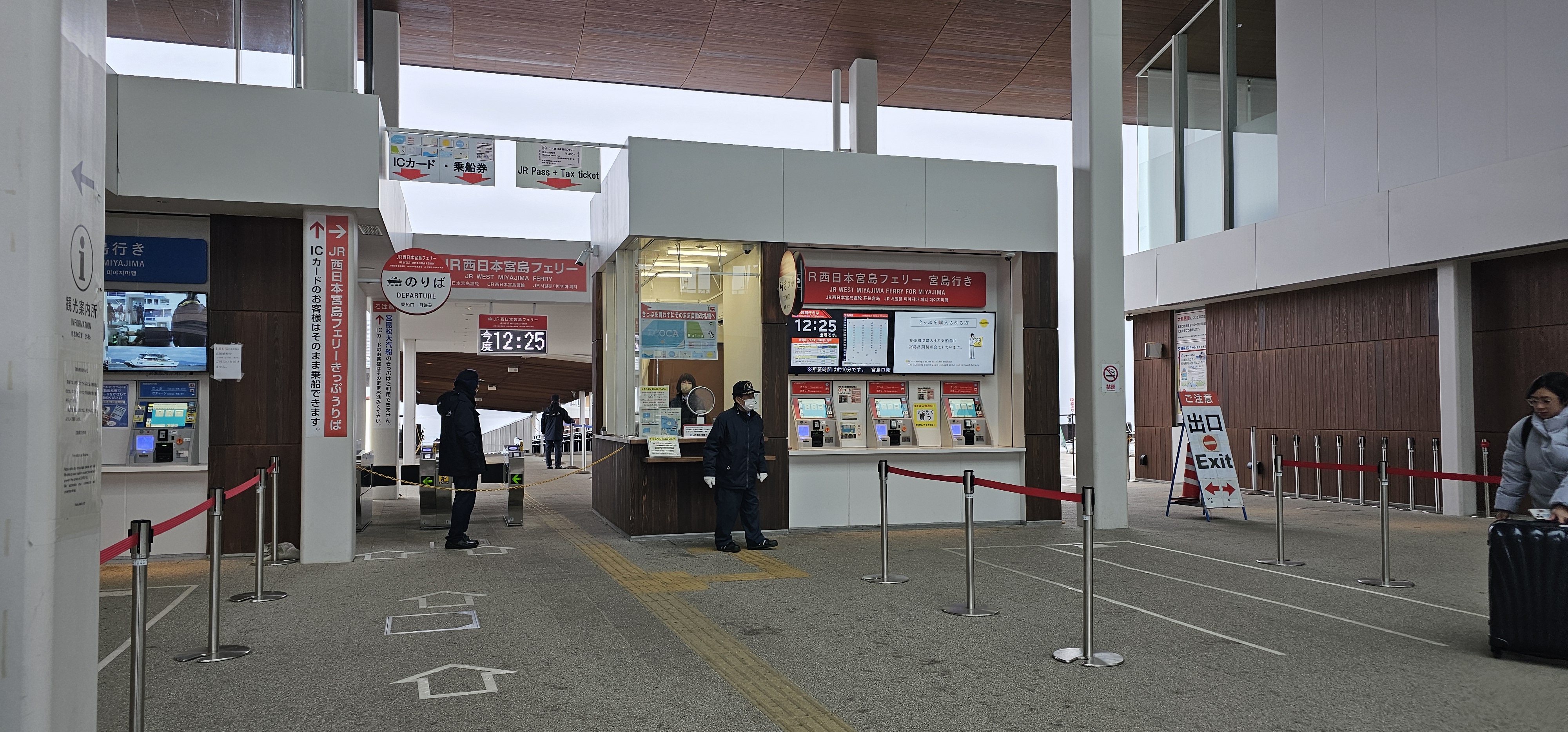
From the port to Miyajima, it was a 10 minute boat ride. The ferry ride was comfy as well. It was a double-decker boat where locals can also bring their cars. The 2nd floor of the ferry are for the passengers. Indeed, transportation in Japan is very efficient and comfortable either via land or sea.
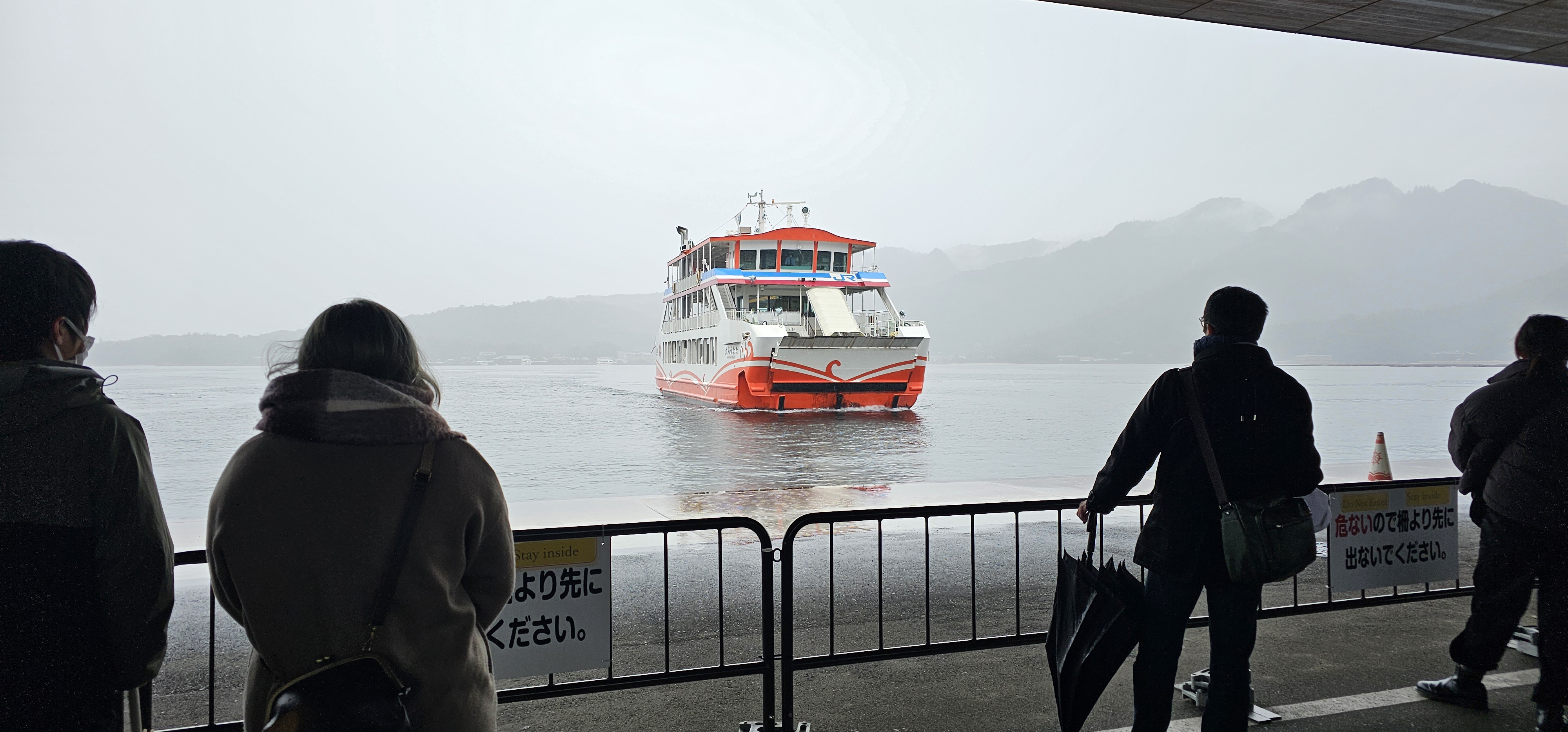
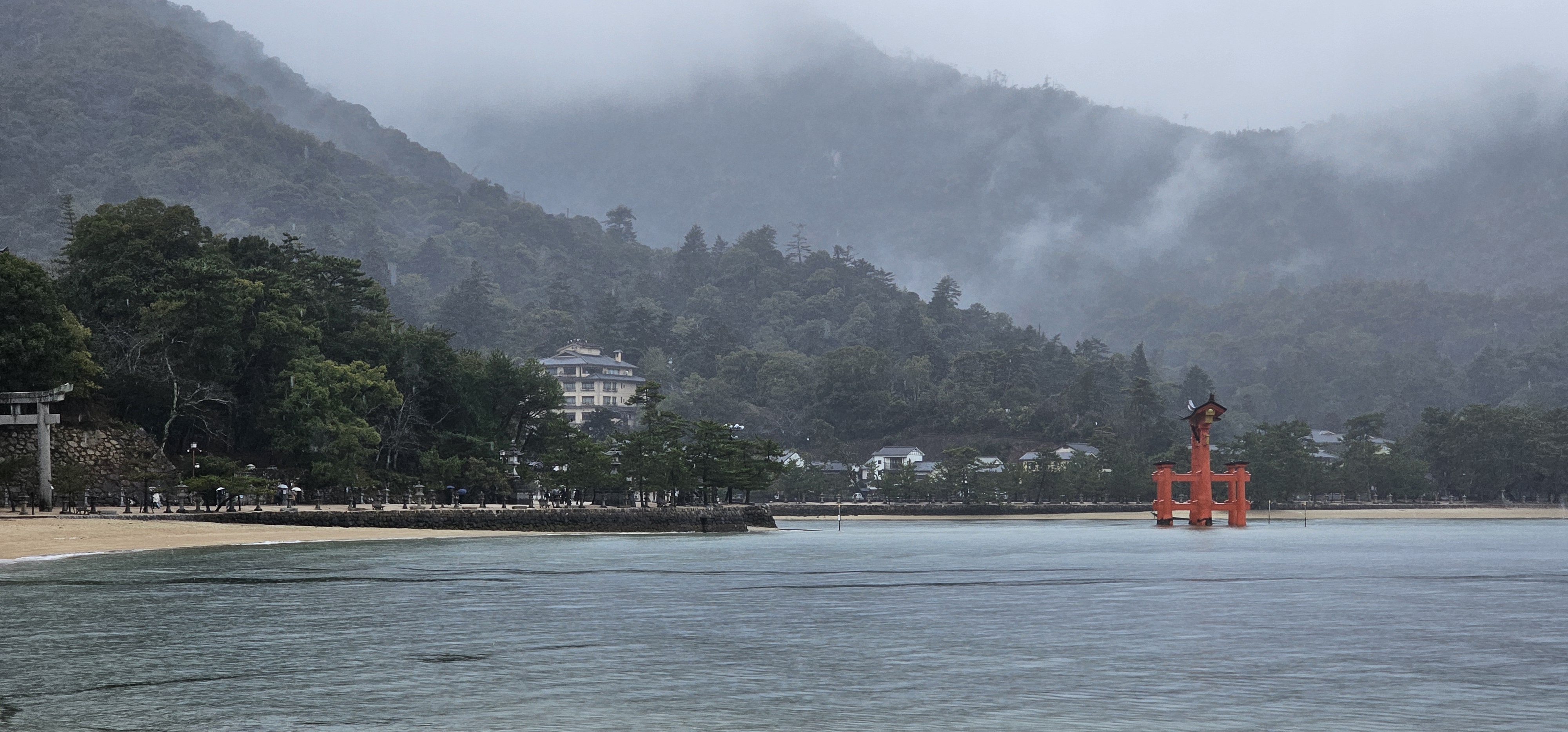
Though it was a bit foggy because of the rain, the beauty of Miyajima Island is magical. The fog brought more mystery on this island. As I arrived at Miyajima Island, the rain continued yet I was glad I reached the island safely. The island itself can be explored via foot.
Where are the places I travelled to?
Taira-no Kiyomori Shrine and Miyajima Park
Entrance Fee: Free
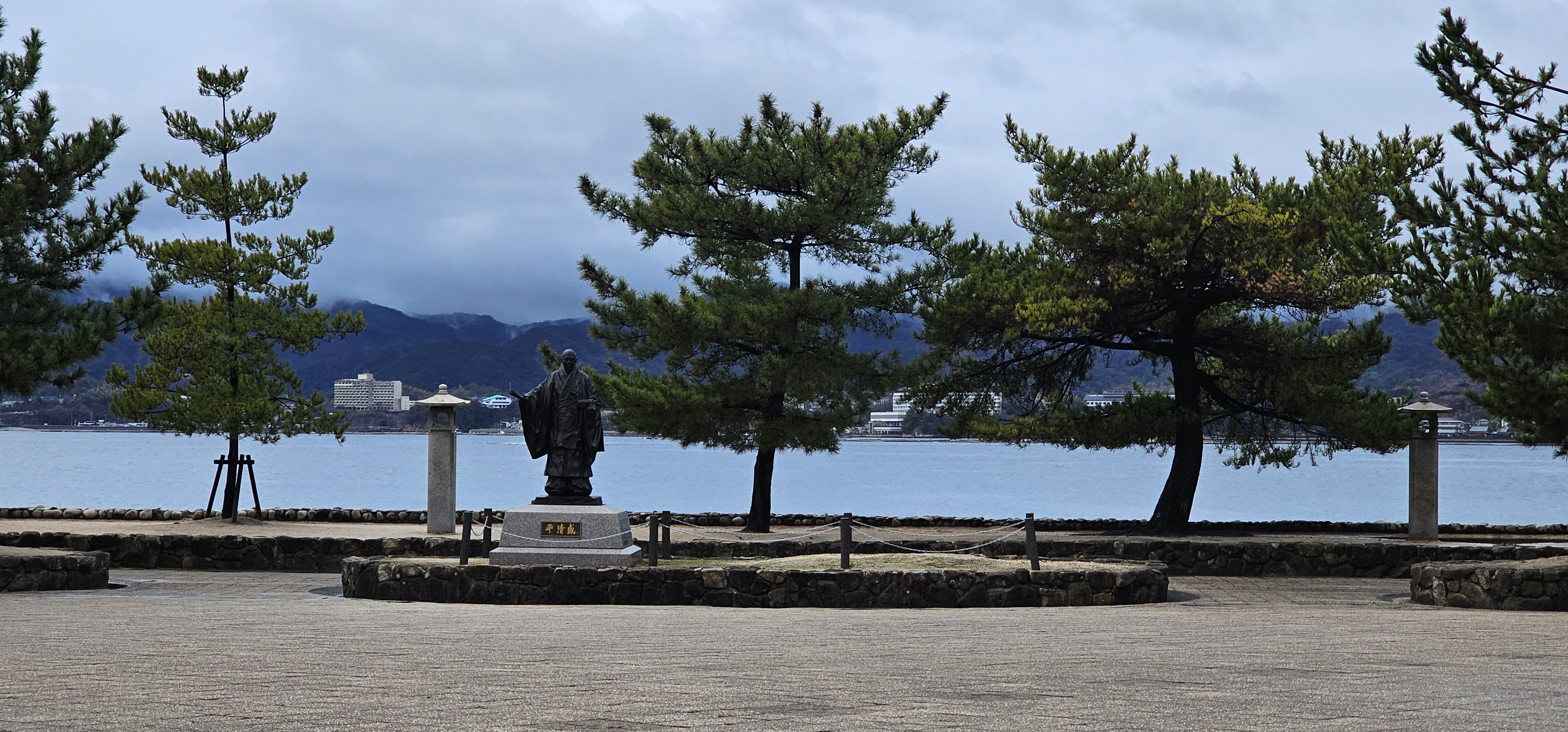
It is the closest landmark you will see after exiting the Miyajima Port. Kiyomori Taira is a military leader who was said that established Miyajima Island. The shrine is inside a wide park where some deers were walking freely.
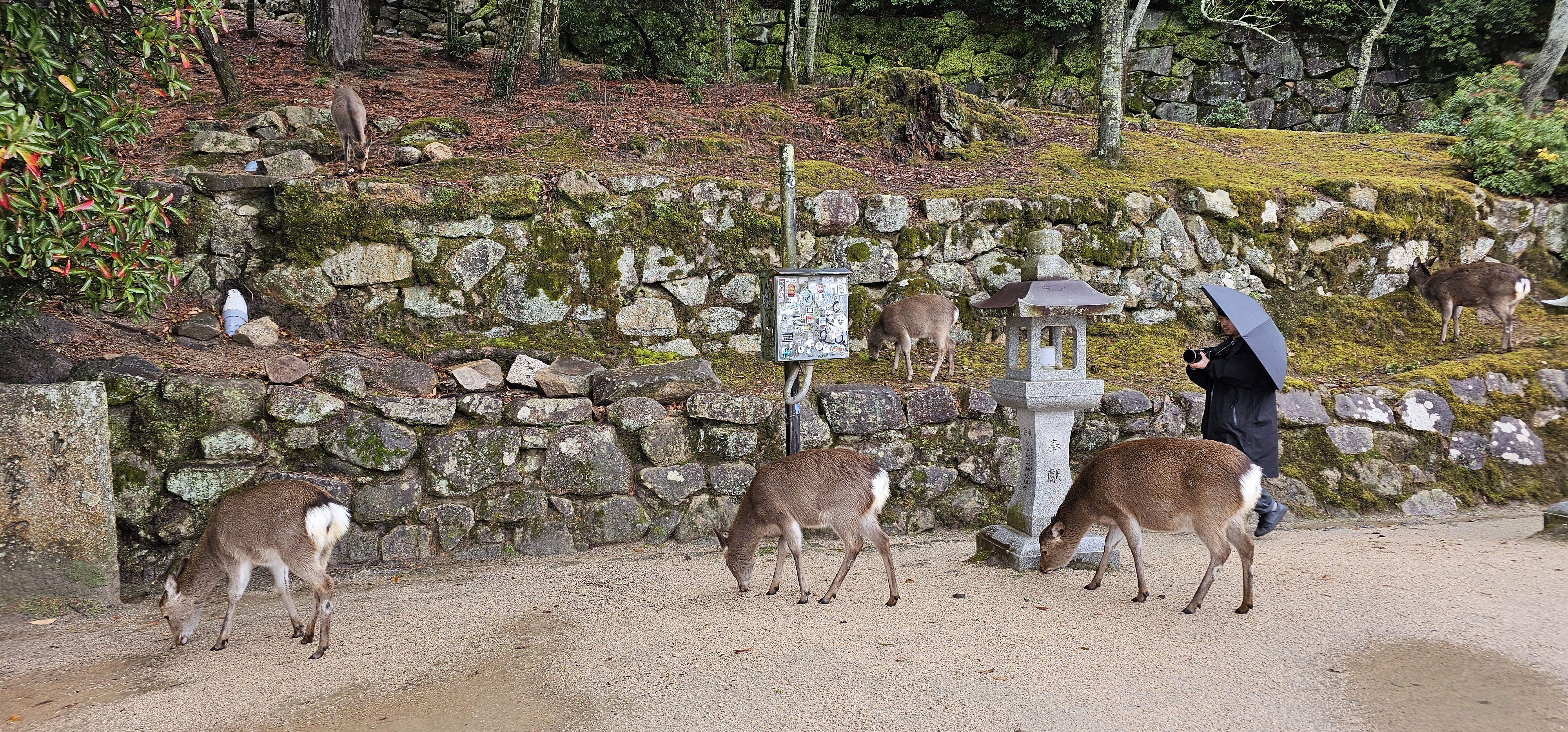
Same in Nara, deers in Miyajima Island roam around freely. Though from my observation, they were wilder than those in Nara. Some of them do not want to interact with humans and just wanted to walk freely.
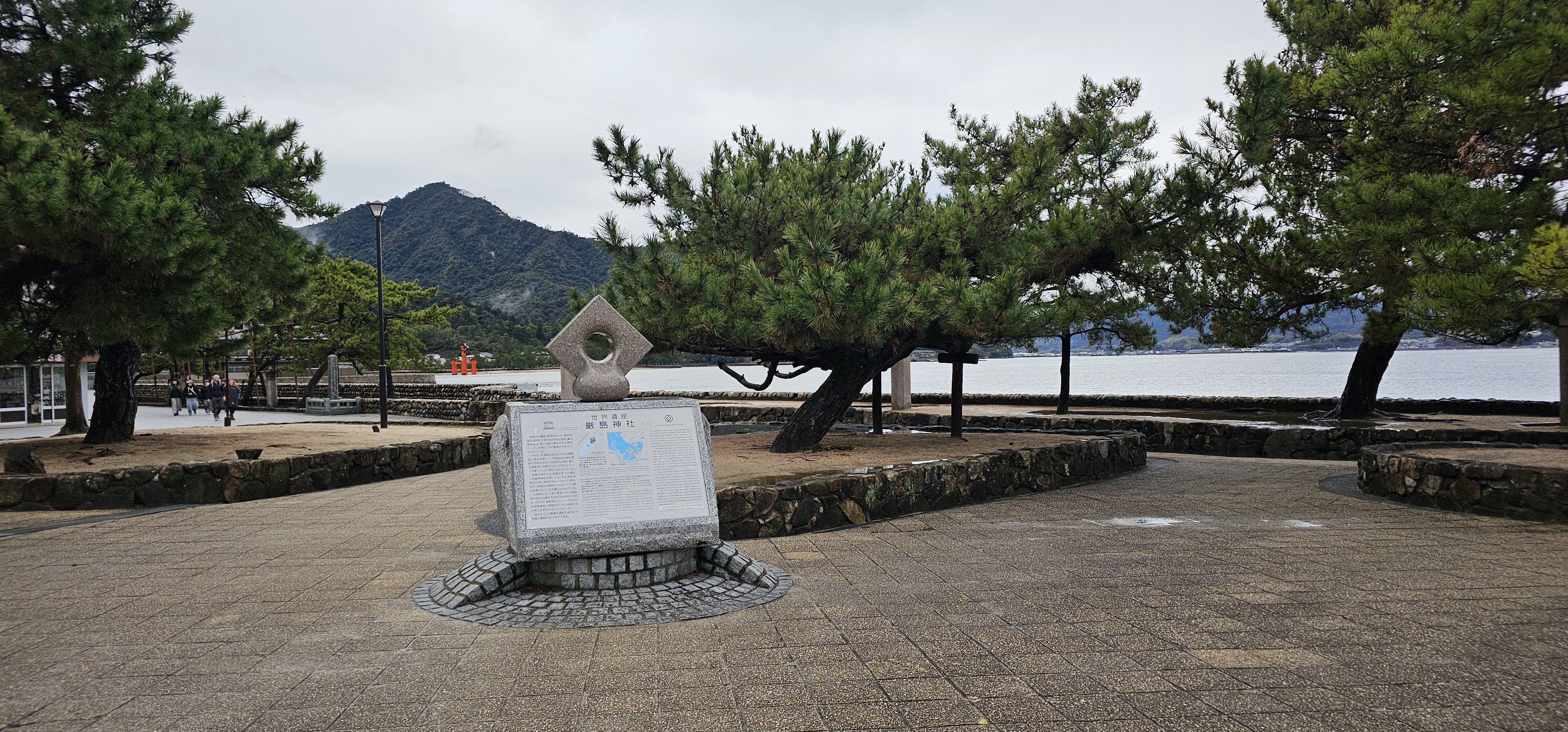
A marker in Miyajma Park stated that the community of Miyajima Island will stay and preserve the island’s beauty and peace. It was an eye-opening for the locals of Miyajima that the nuclear bombing in Hiroshima City made them eager to make the island safe for their children.
Itsukushima Shrine
Entrance Fee: ¥ 300
From the park, I walked for another 10 minutes to reach the shrine. Itsukushima Shrine is dedicated to 3 Munakata goddesses – Ichikishima-hime, Tagitsu-hime, and Tagori-hime. These goddesses represents worship of the seas, traffic safety, good fortune and fulfillment of wishes. The Shrine was first built in 593, it was remodeled by Taira-no Kiyomori in 1168.
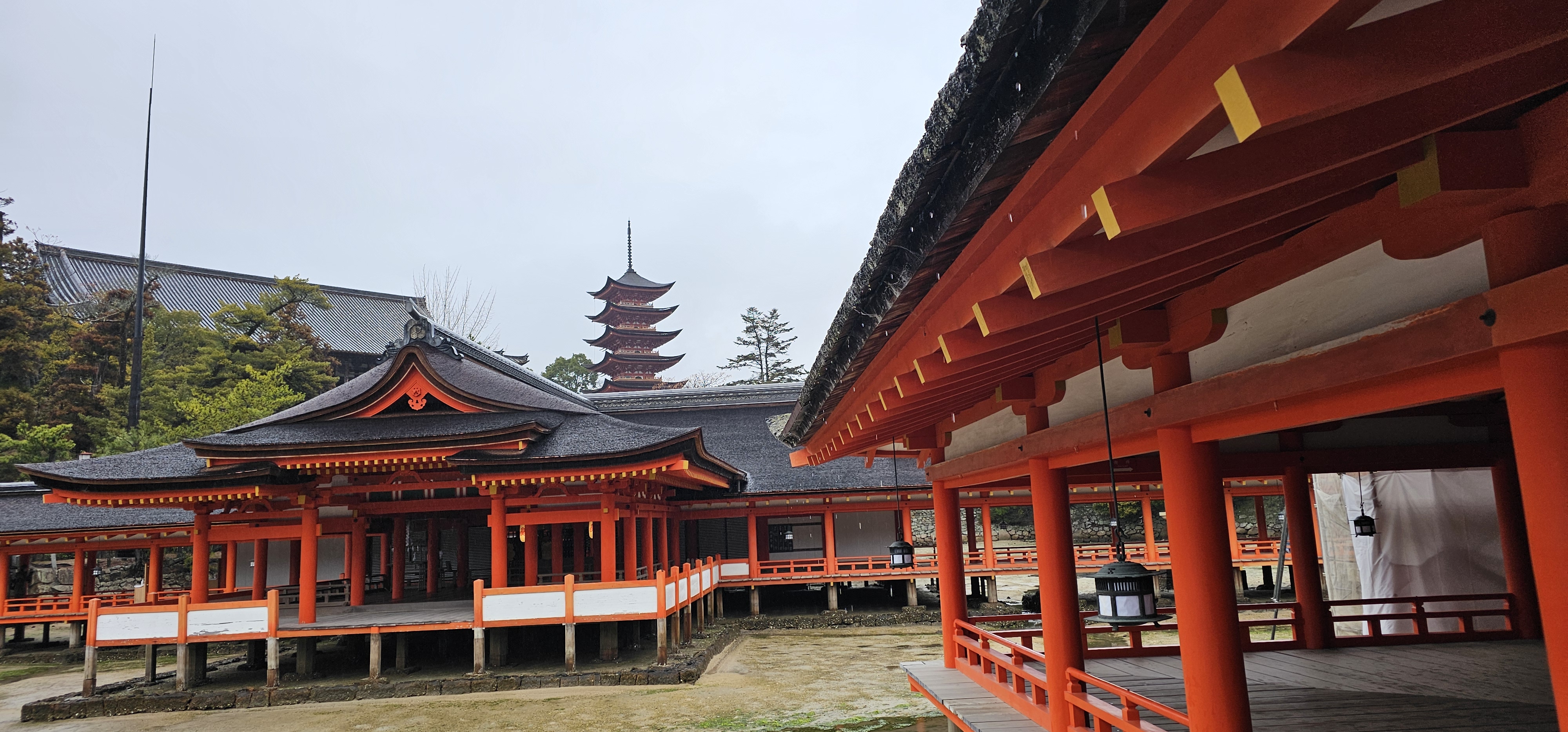
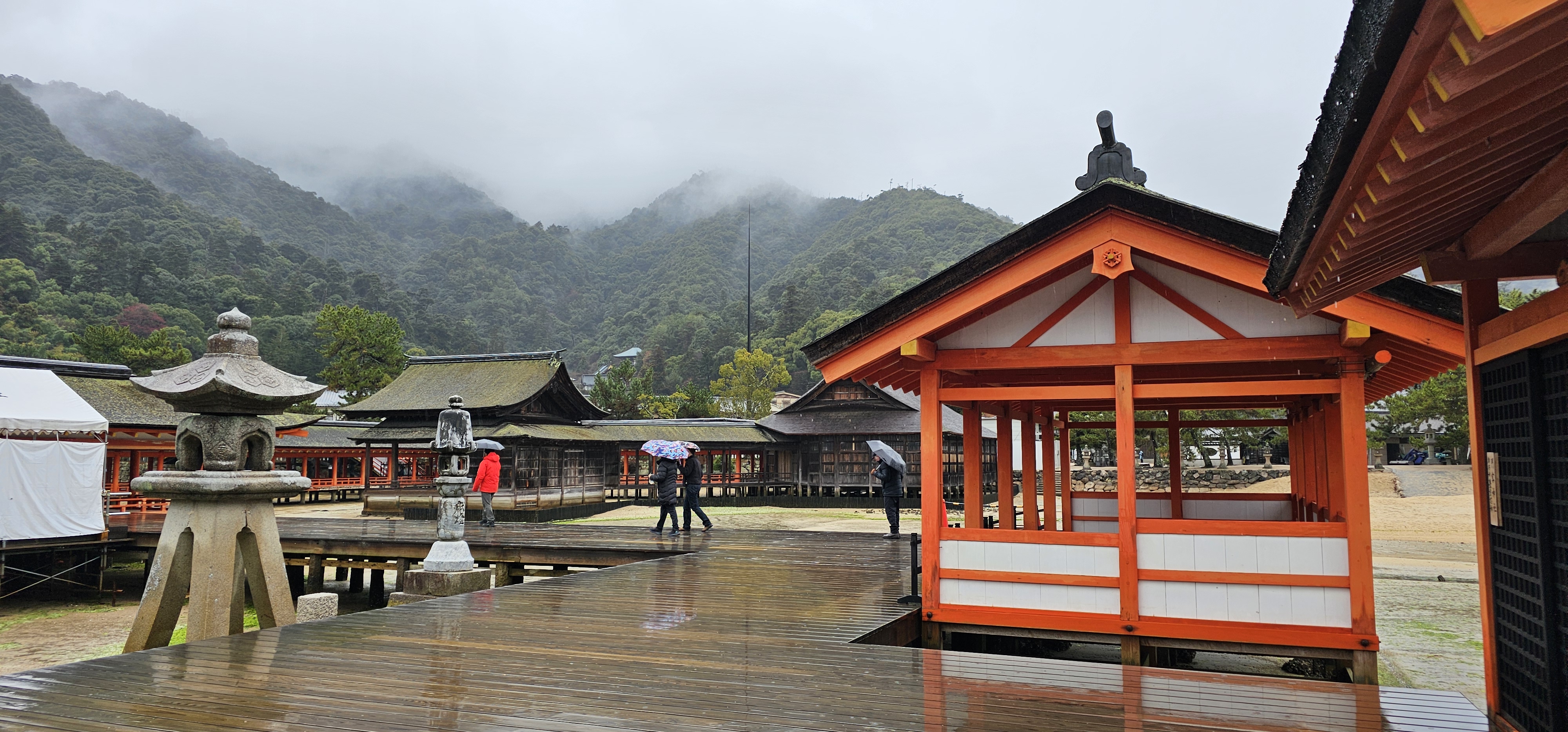
As the rain continued on that day, I walked slower inside the shrine to avoid slipping. I have seen hundreds of Shrine from all of my travels but this one is special as it stands in water. If the sea is on high tide, the shrine is overwhelmed by water.
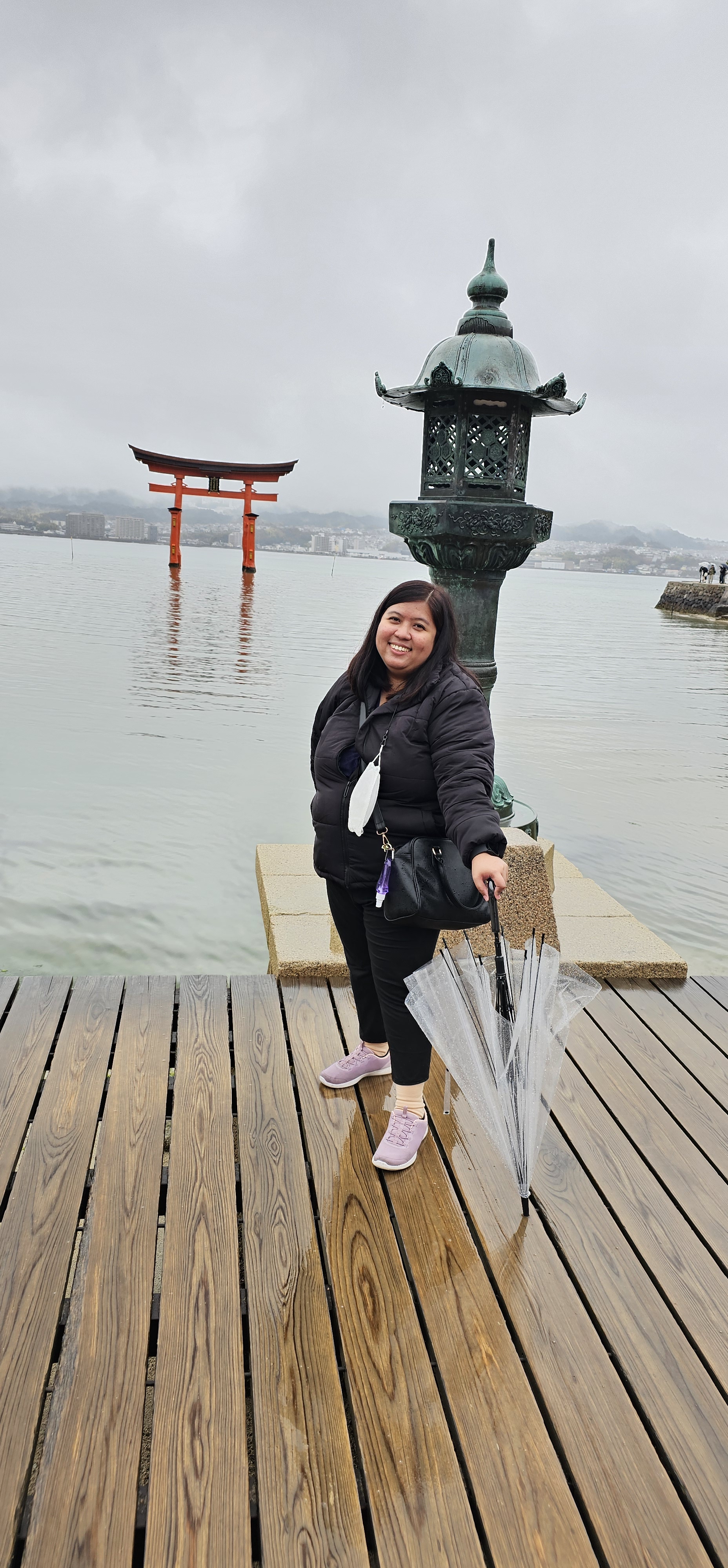
O-torii Gate
Entrance Fee: Included on the Itsukushima Shrine fee
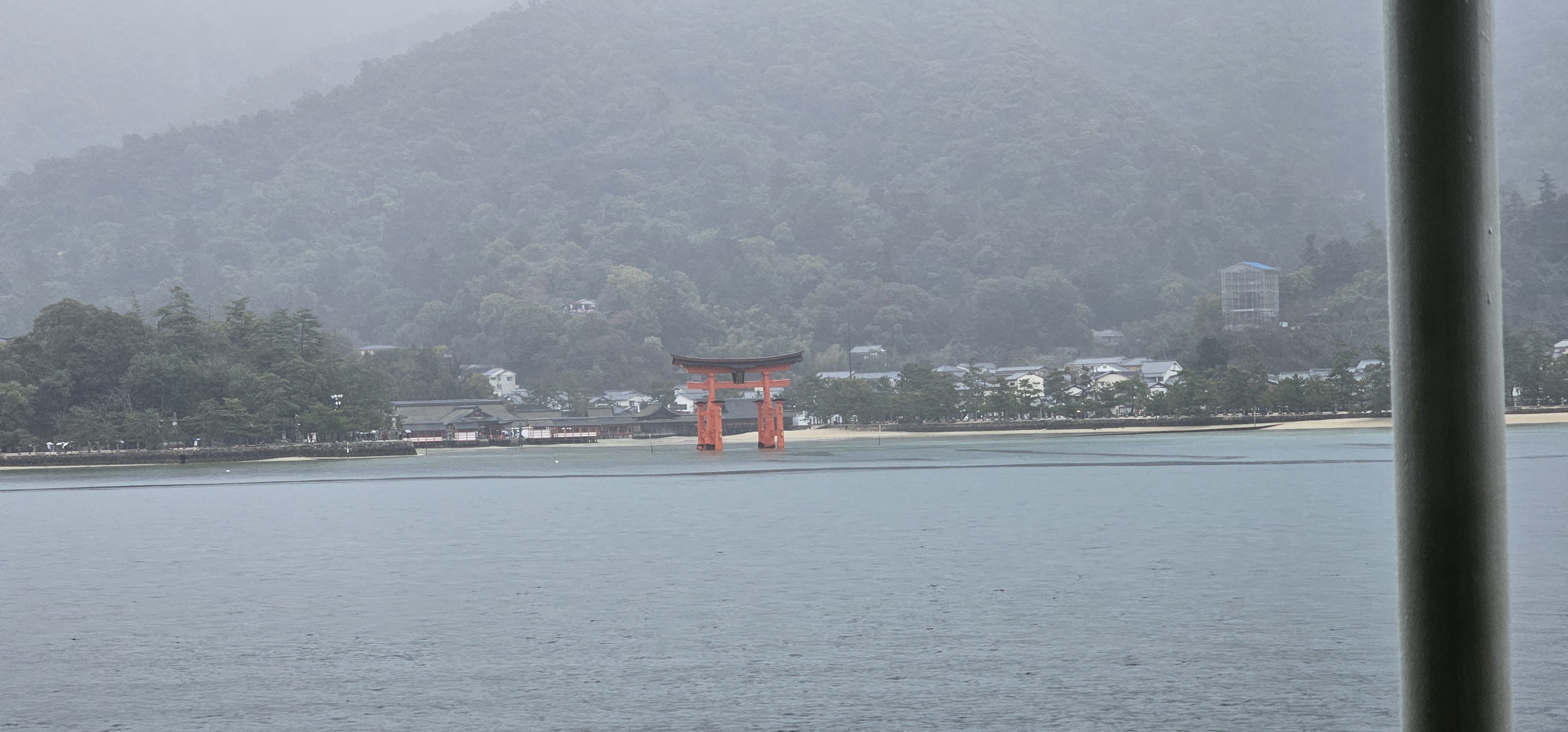
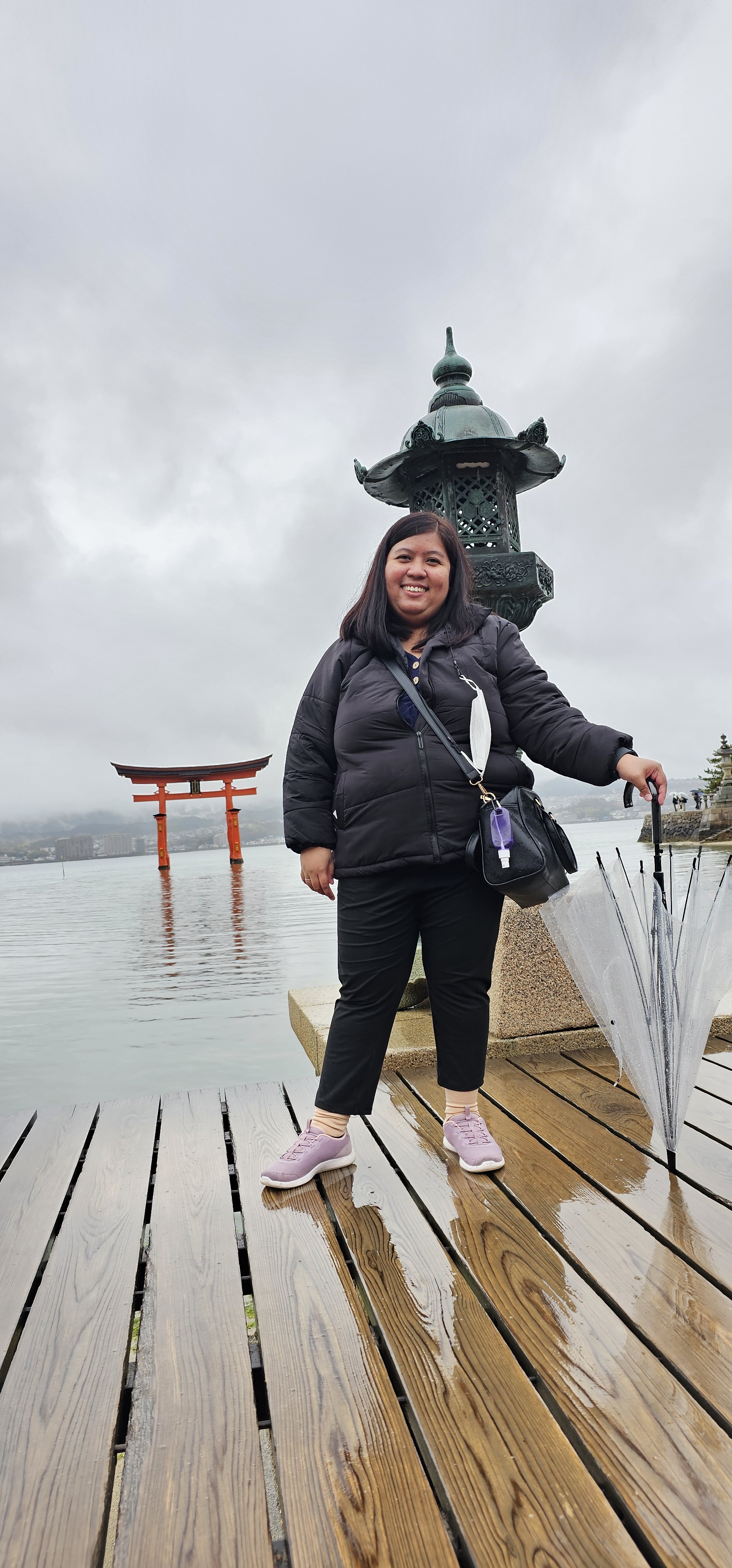
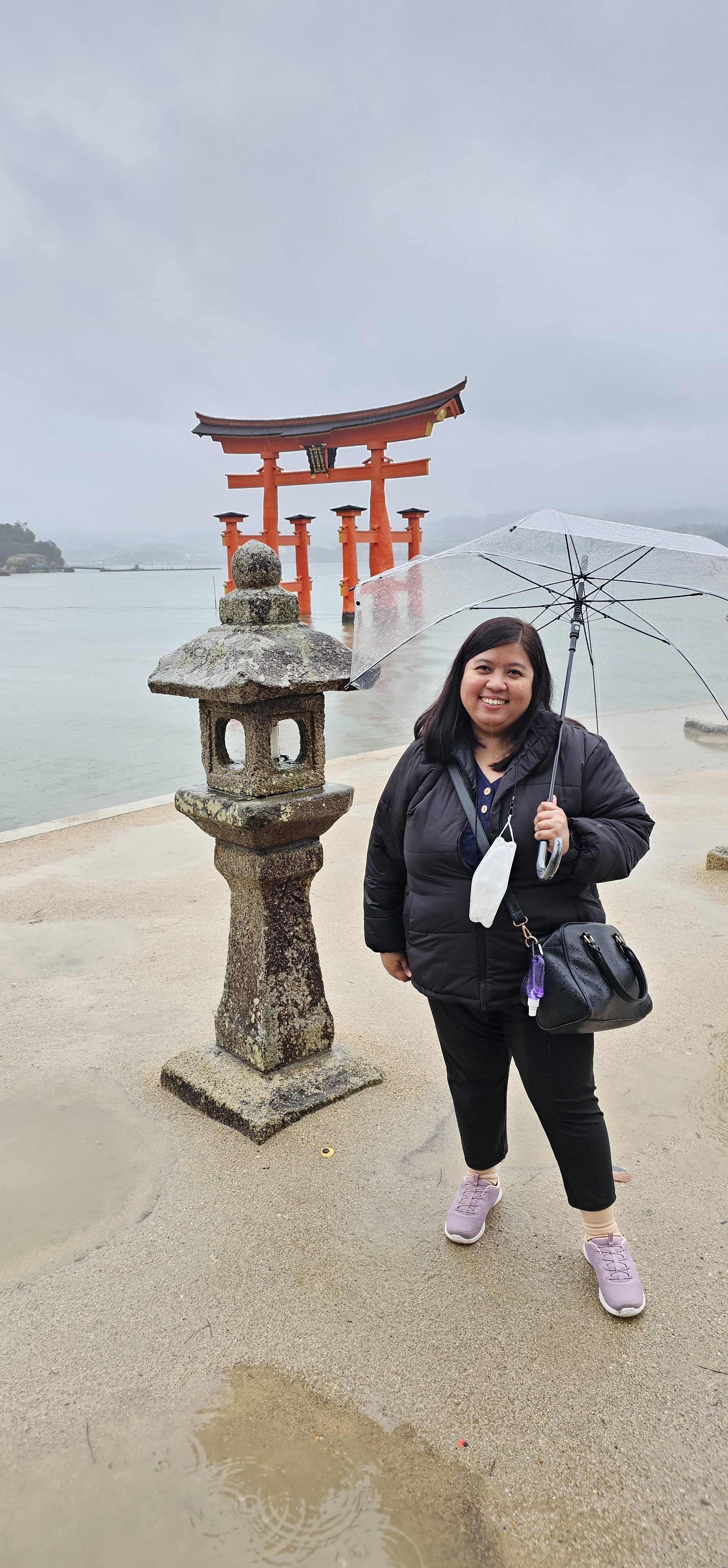
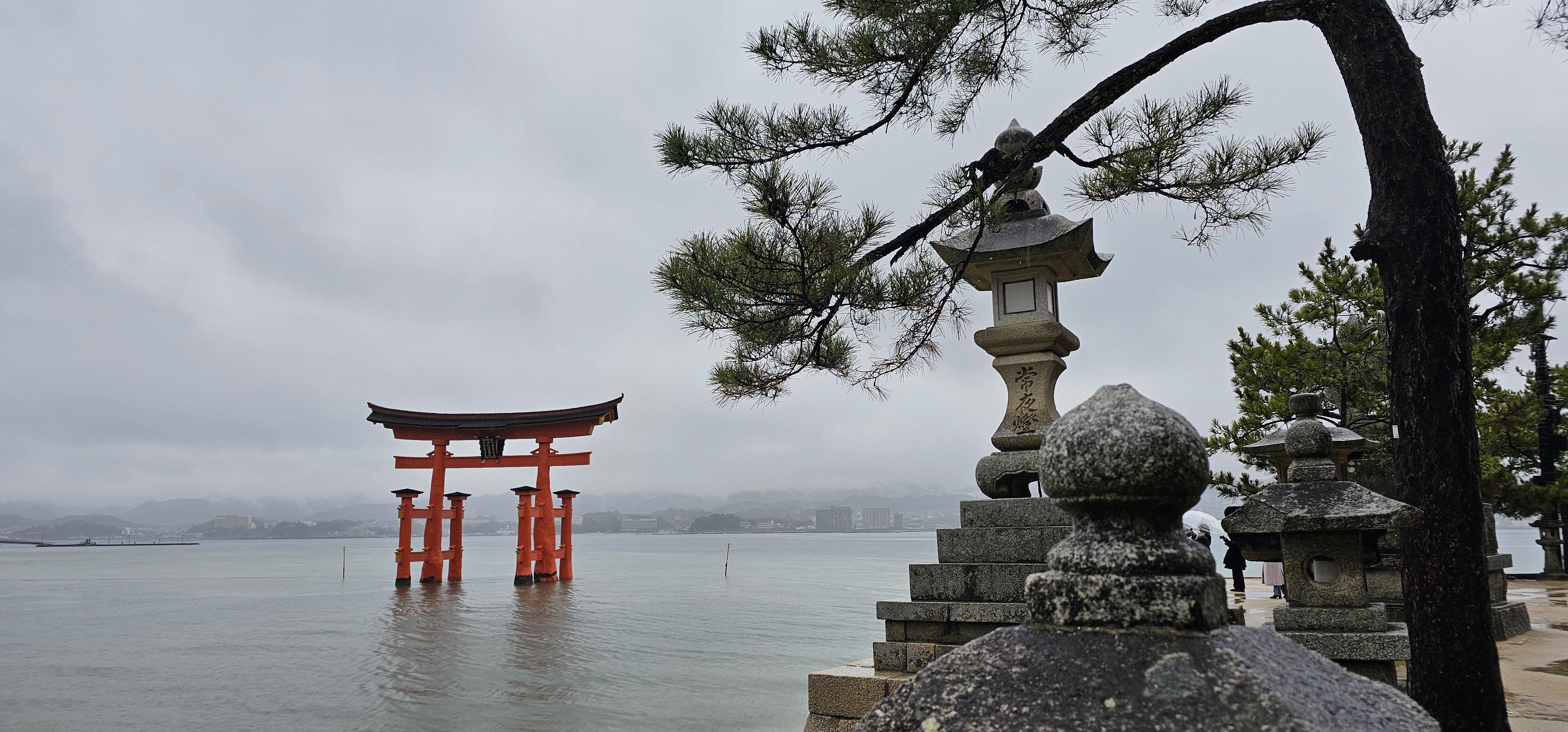
The O-torii Gate of Itsukushima Shrine has been designated as National Important Cultural Property. As per a scholar named Hayashi Gahō, Miyajima Island is part of the 3 best scenic sights in Japan including the Amanohashidate and Matsushima.
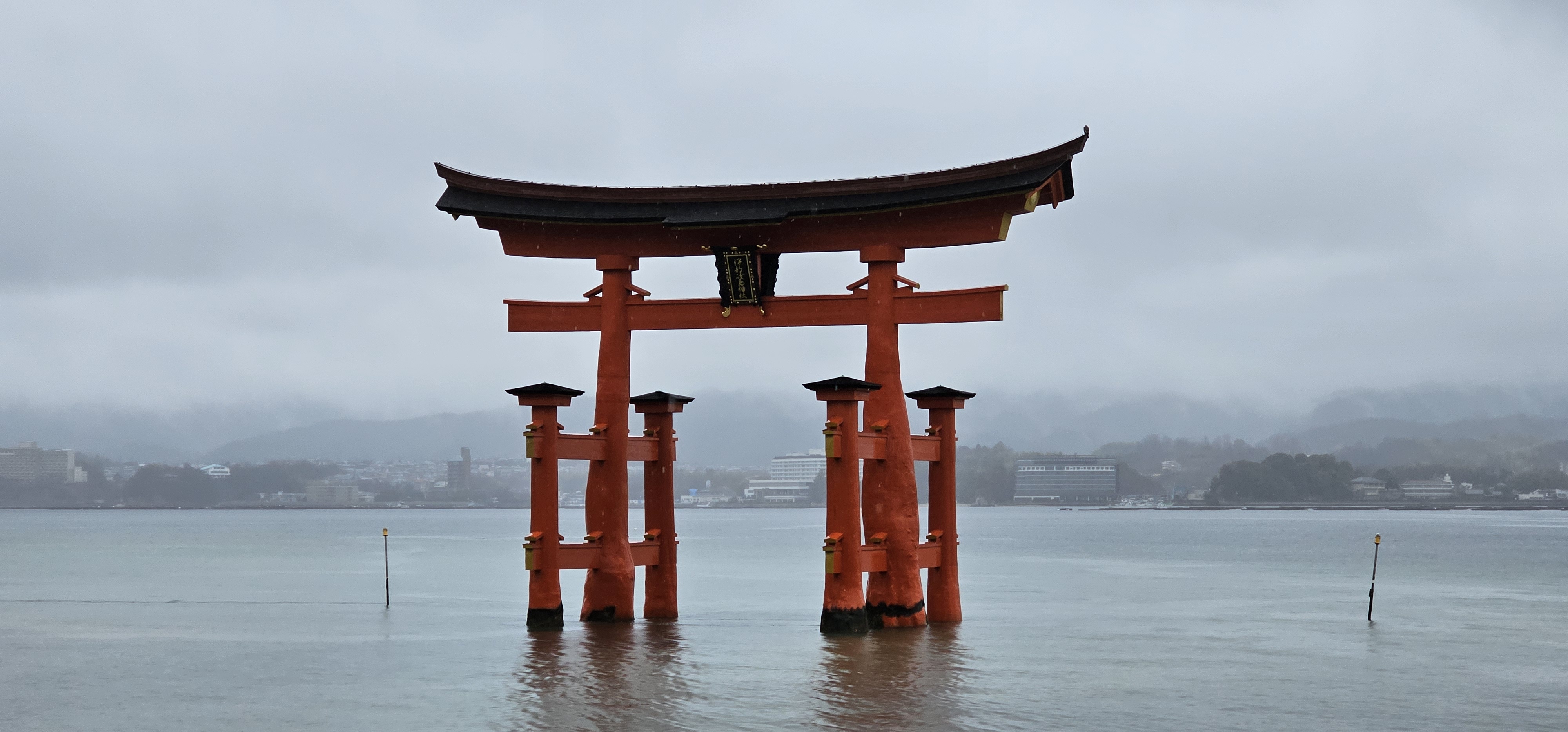
No doubt, even with the rain, the shining orange-y red O-torii Gate is a delight to see as it was surrounded by green trees and blue seas. The O-torii Gate has been built in 1875 with approximately 16.6 meters in height and 60 tons in weight. Whatever and whenever it was built, I was mesmerized by the mystique beauty of the O-torii Gate.
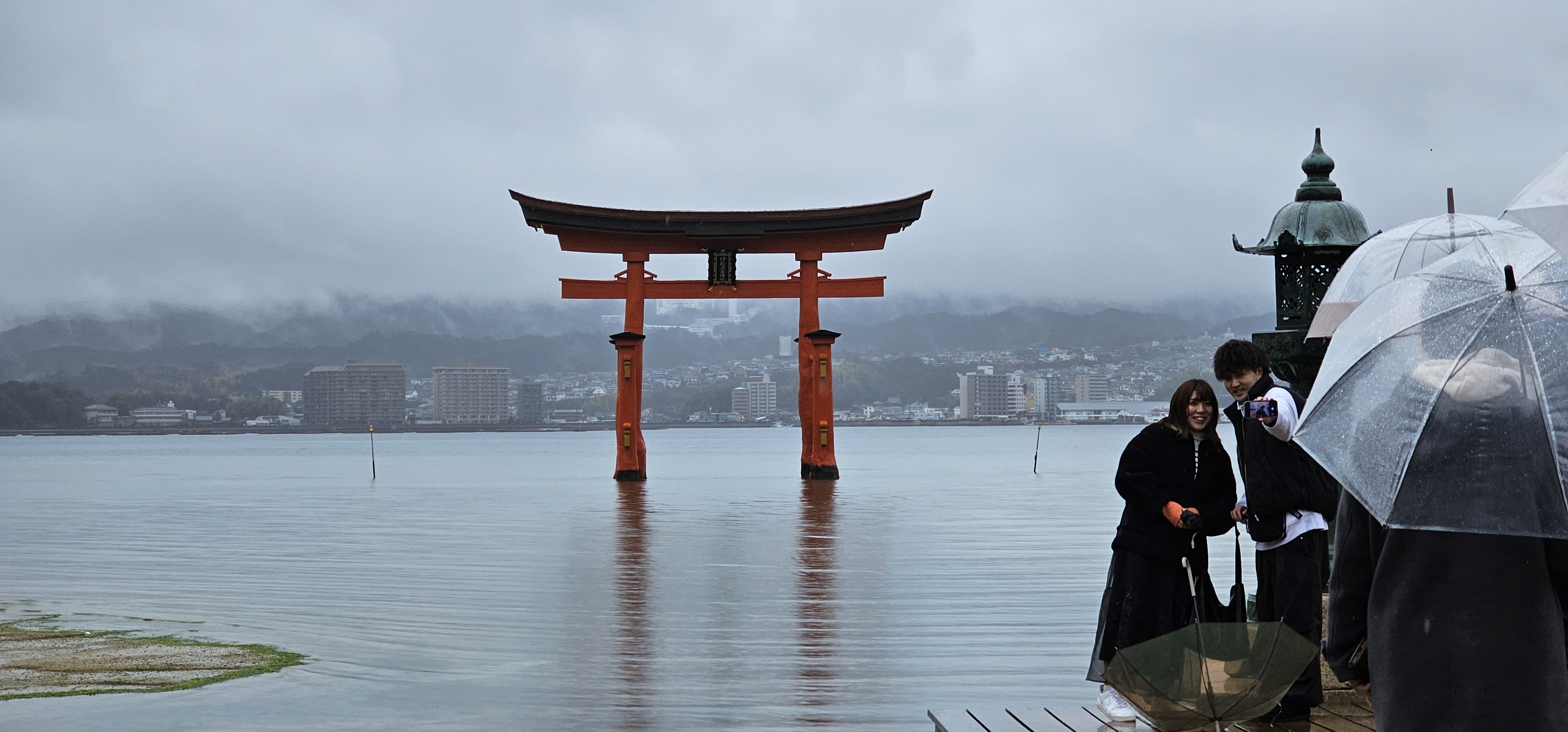
While it stands tall and firm in many centuries in the water, the O-torri Gate signifies hope and strong relationship to its worshippers and locals. I was very blessed to see this sight. Apart from seeing the Mt. Fuji last year, another iconic place has been ticked off from my bucket list. I think it was one of the highlights of my adventure in Hiroshima.
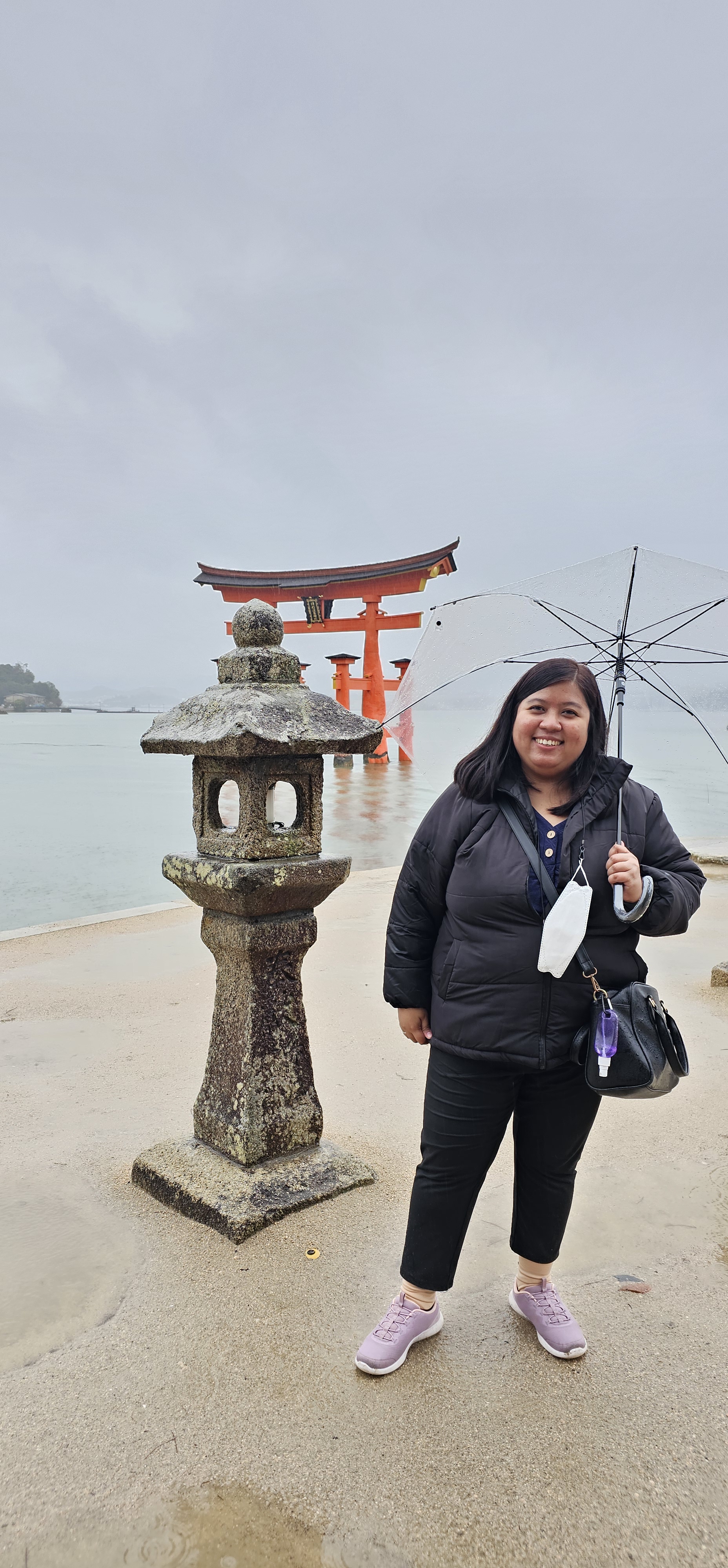
Travel Tip: If you do not want to pay the Itsukushima Shrine fee, you may take photos of the O-torii Gate before entering the shrine. Some spots beside the walking area of the sea is available for photo-taking.
Omotesando Street
Entrance Fee: Free
After walking inside the shrine, I was feeling hungry. I arrived in Miyajma late lunch time and it is rightful to eat! It was a perfect route as Omotesando Street is about street food and shopping.
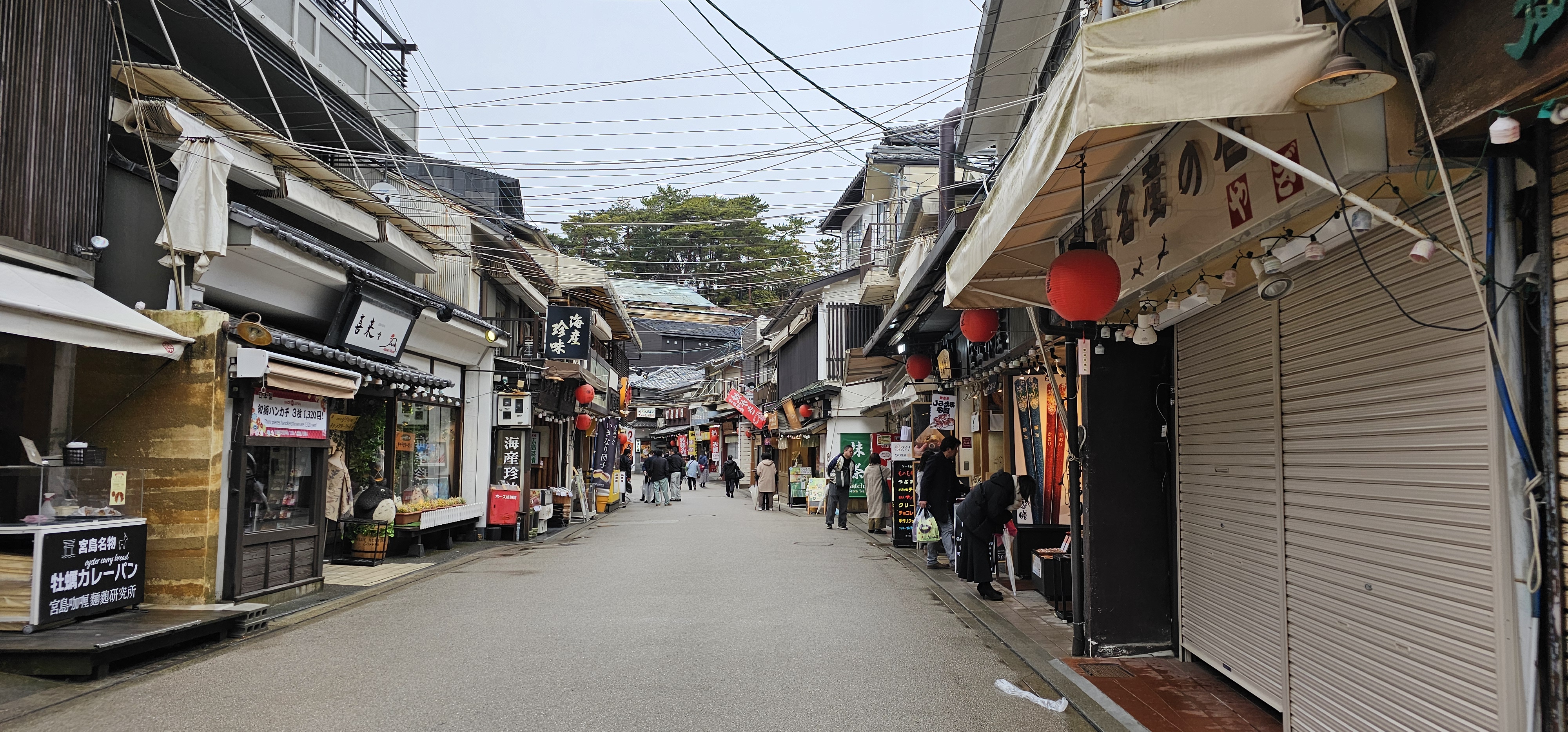
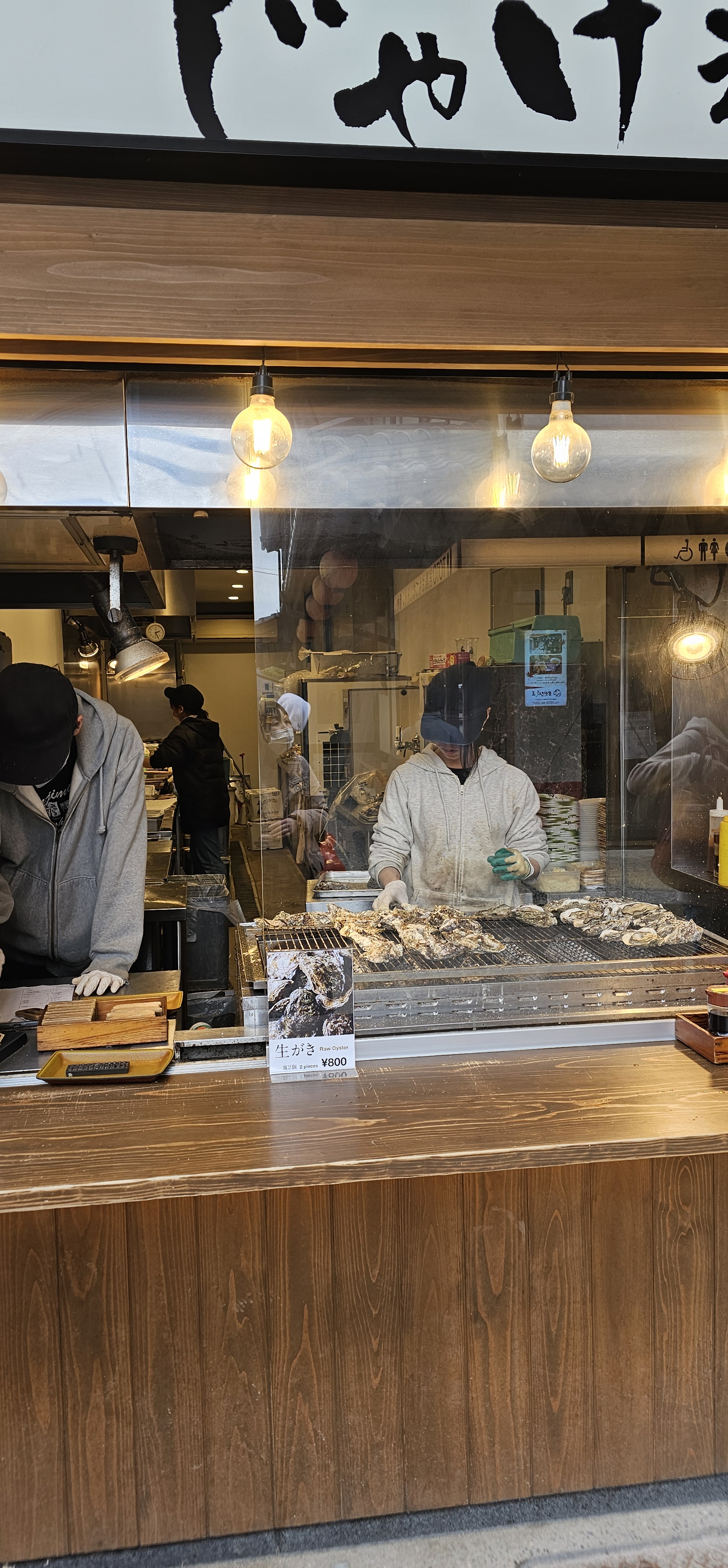
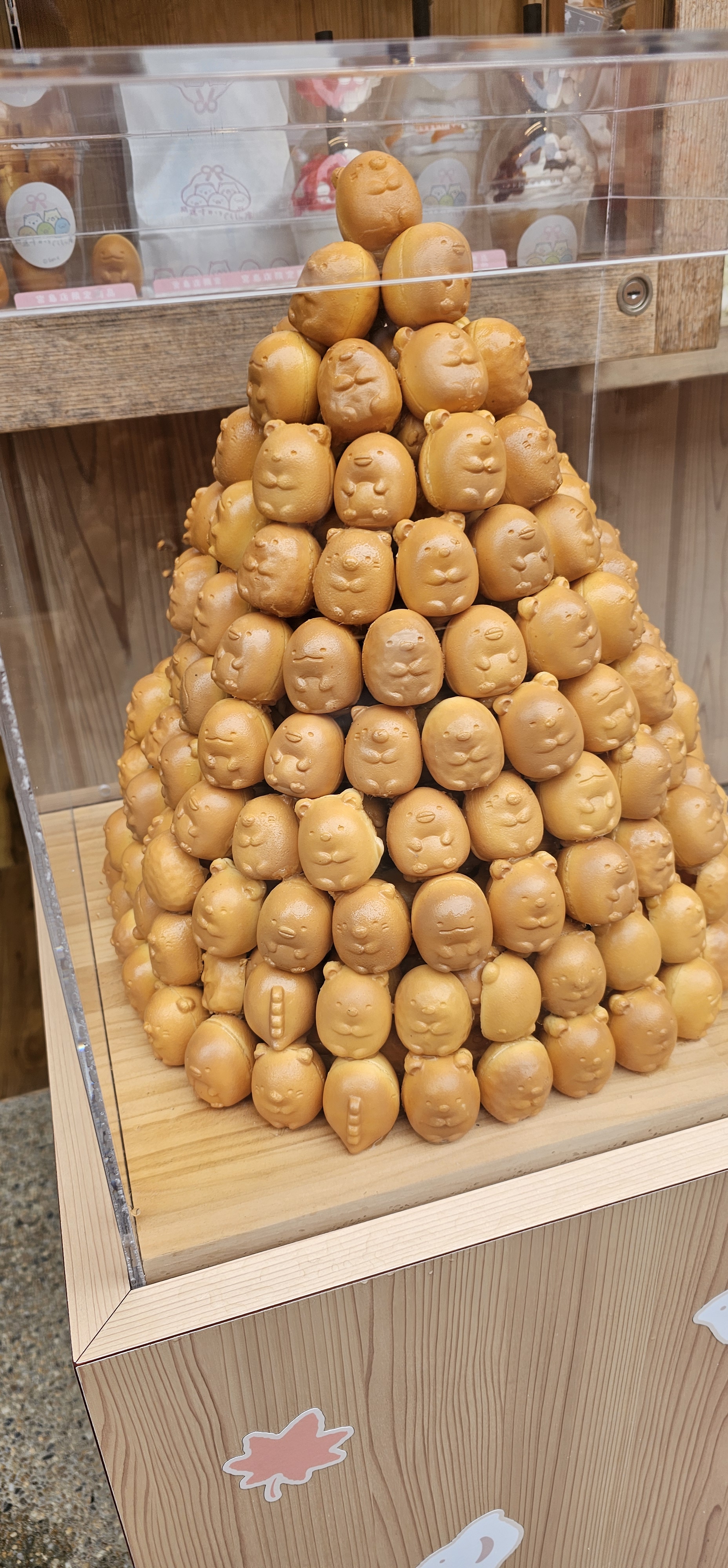
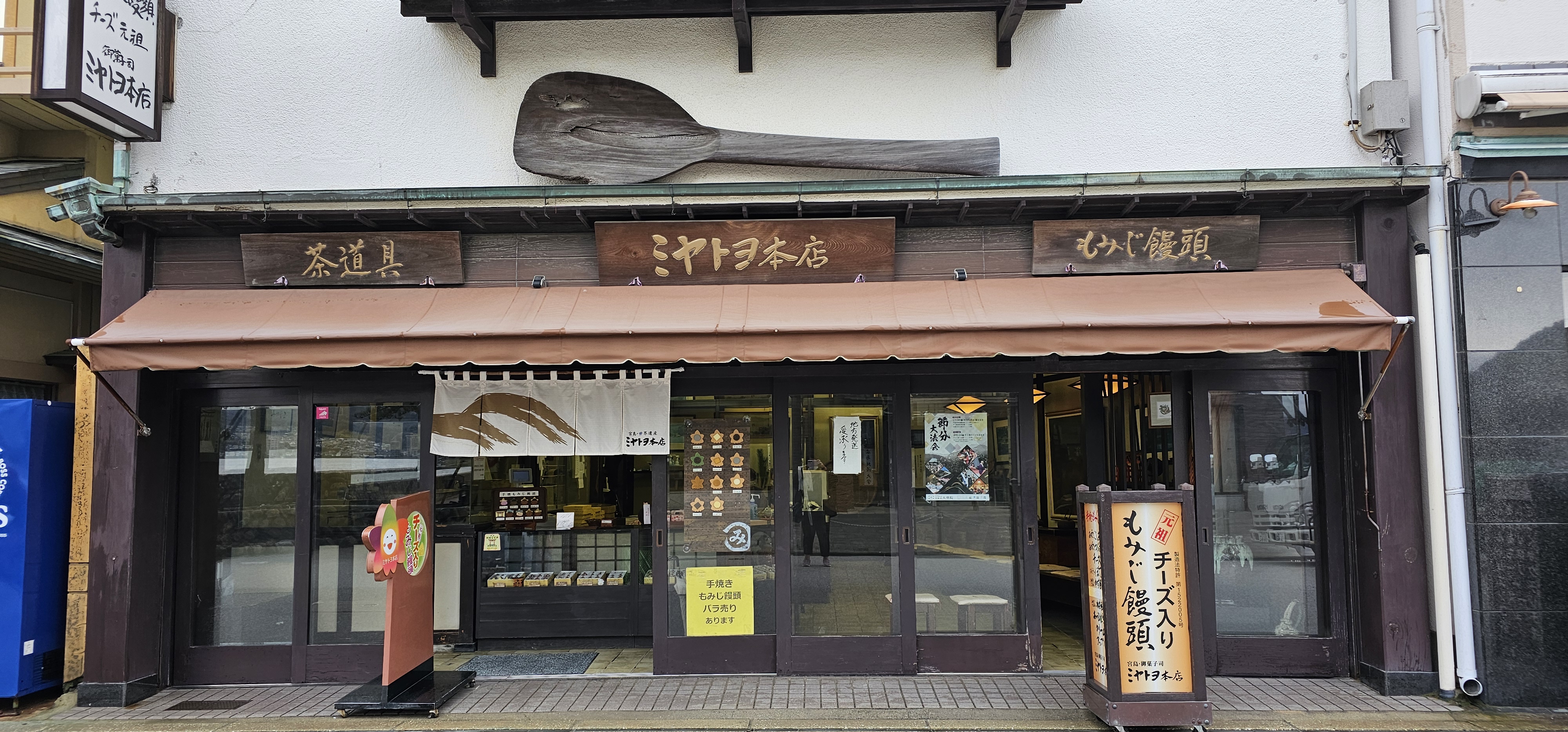
Miyajima is known for their oysters and maple buns. I haven’t tried the oyster as it was too pricey and not a fan of that seafood. But for the maple buns that you can smell everywhere, I really went for it!
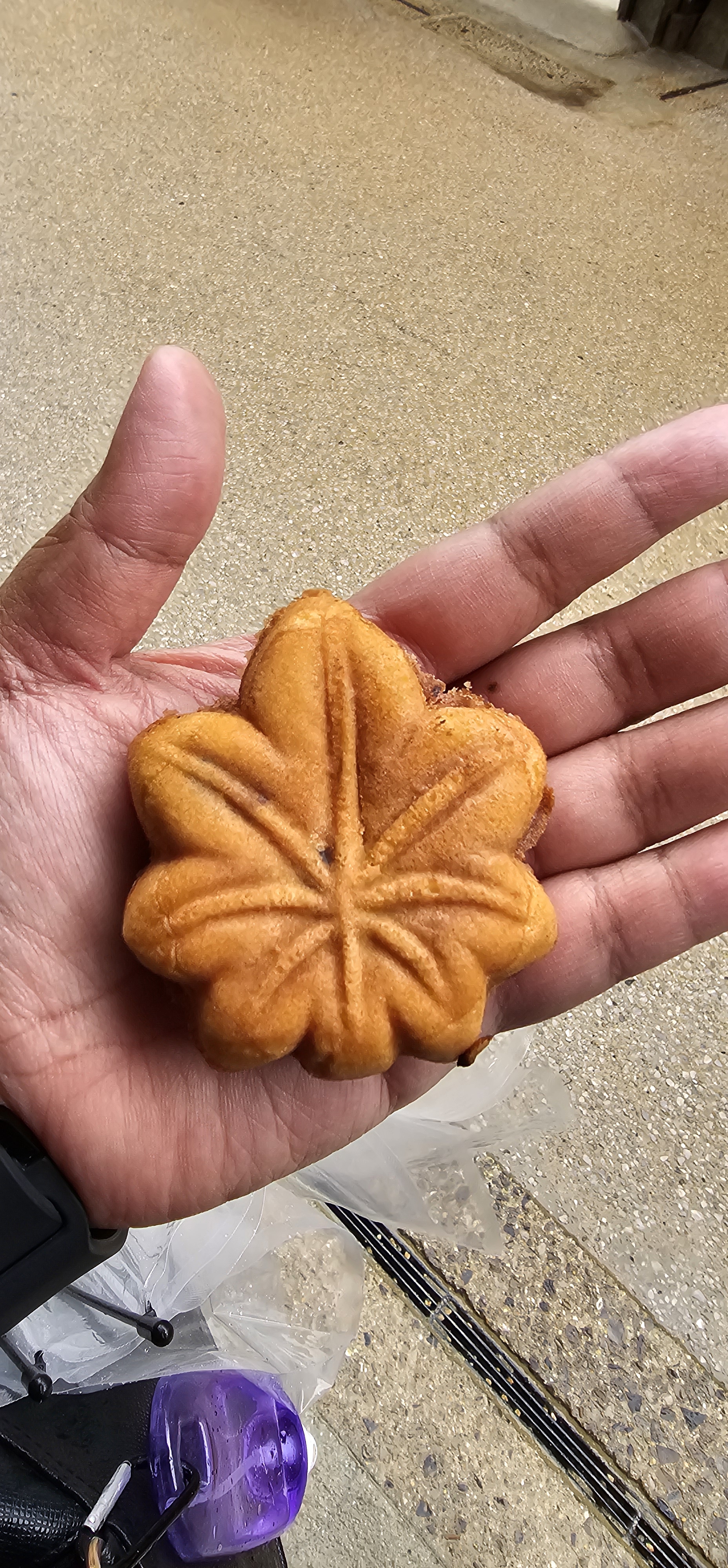
The maple buns have different fillings, as for me, I got chocolate and caramel. And man! That was different! The buns hit home! I can remember our local bread while biting it. It was perfect for a lazy day with a bit of rain and tea. As the maple buns evolved over time, I saw a shop with a unique feature.
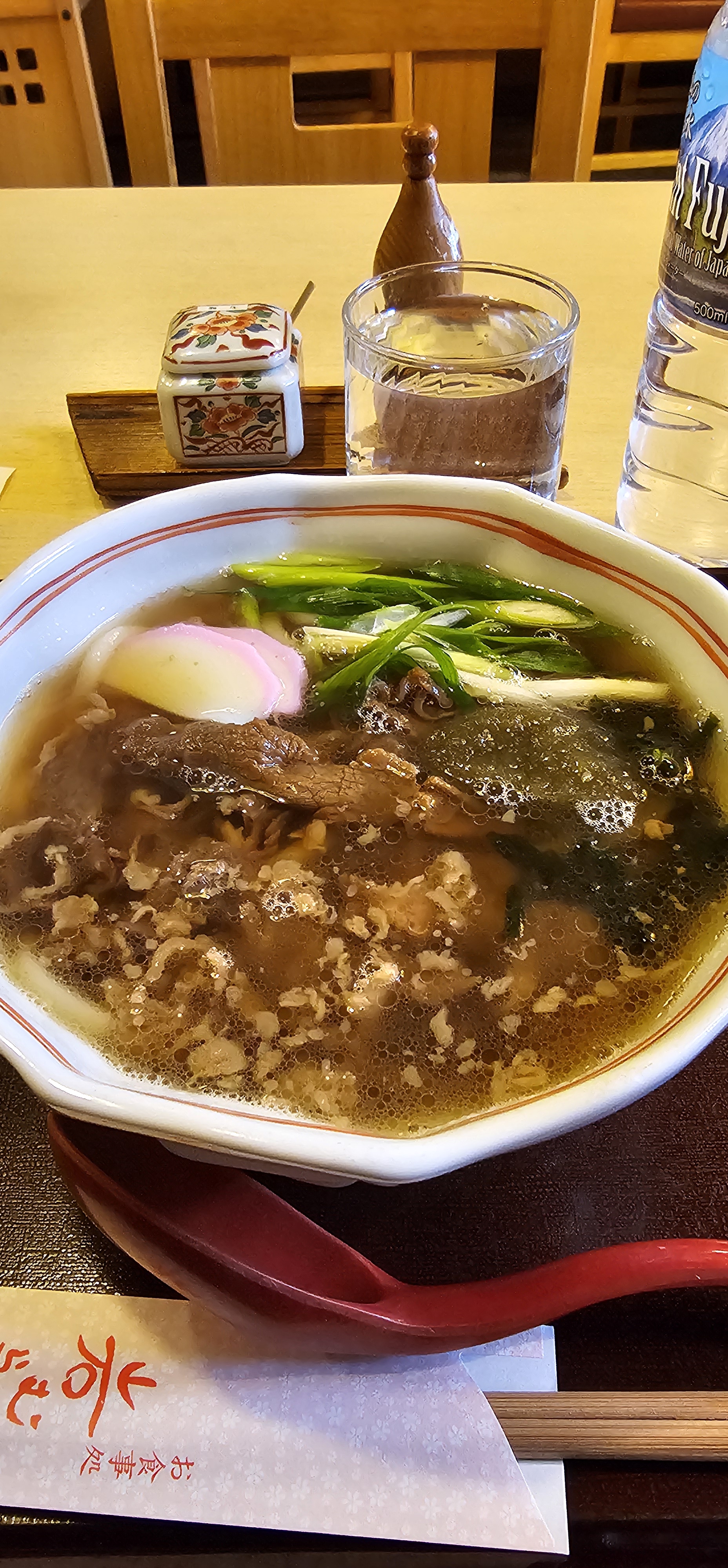
While walking in Omotesando Street, the rain stopped, the sky cleared. I felt like I need to eat a proper lunch by 2 PM. I saw a local ramen shop and dig to it. The temperature that time in Miyajima was 10° so a hot soup was perfect after a long walk.
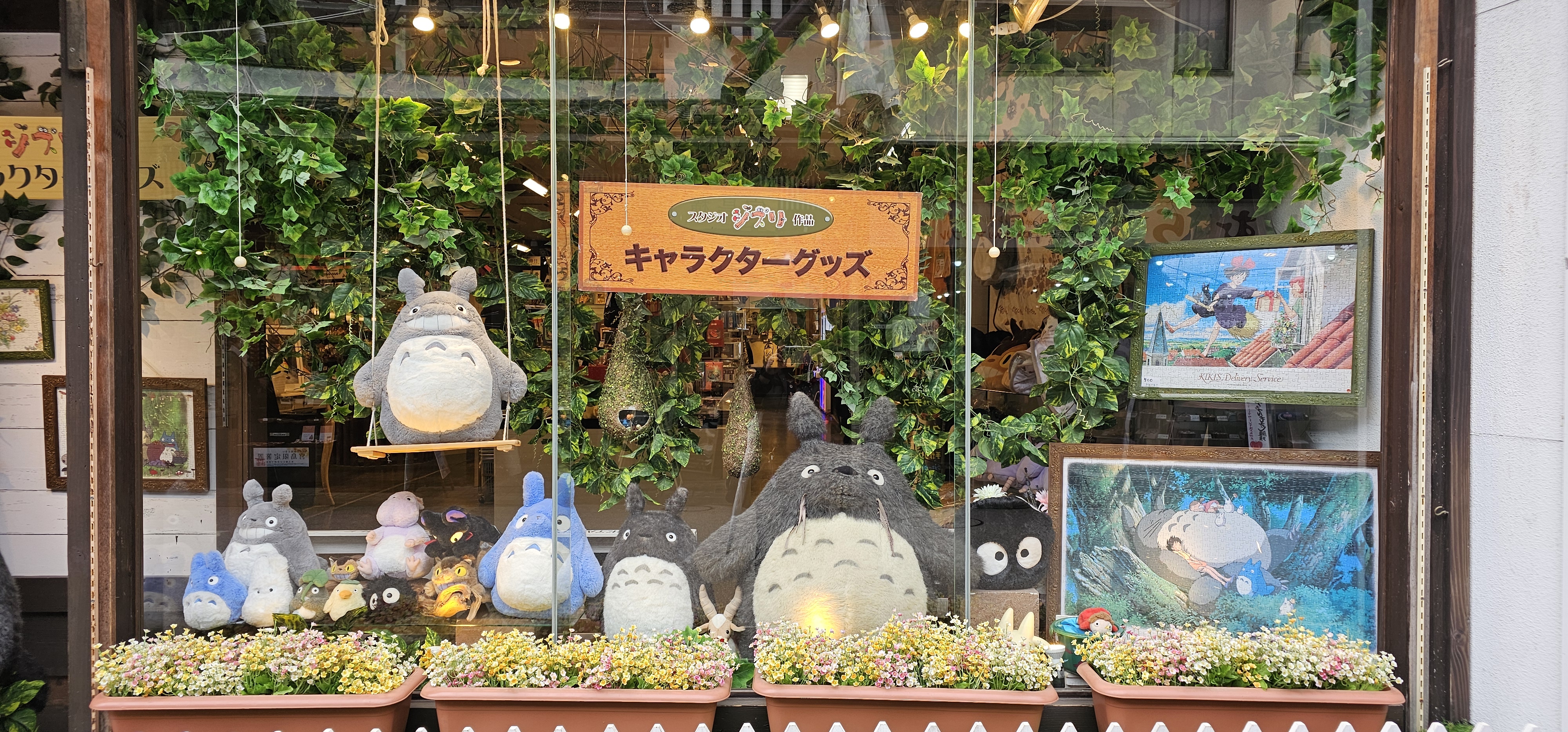
After my late lunch, I saw a shop with Studio Ghibli items and I cannot resisted to see it inside. There was something like this in Kyoto but another SG shop is different from the others so it was nice seeing it them again.
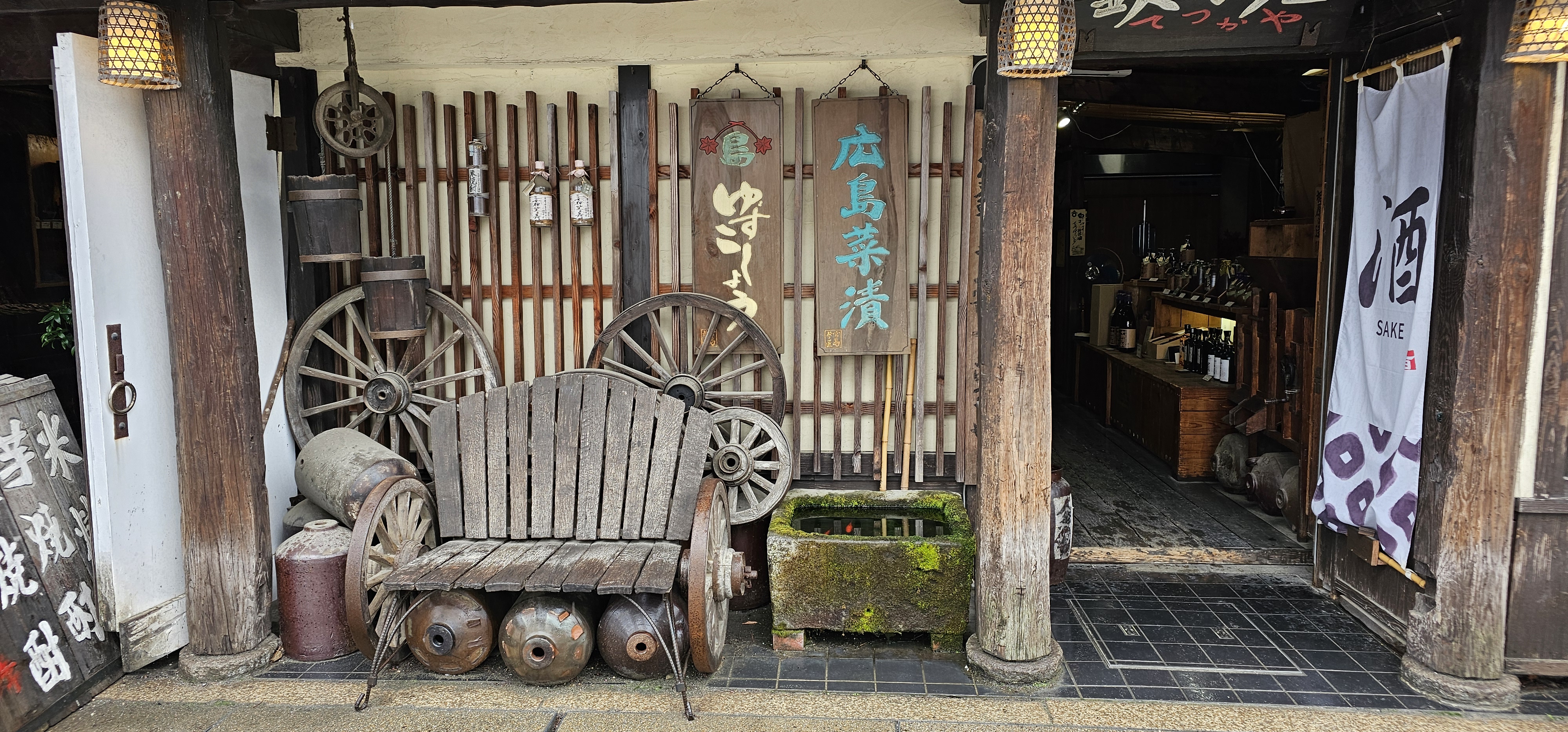
After the Omotesando Street, I went back to Miyajima Port. Though the weather got better, I opted to go back to Osaka as I thought that I saw enough in Miyajima and I think up to know that it was right. There were many walkable attractions in Miyajima like shrines and museums but seeing the town itself and meeting some locals satisfied me same as these beautiful shops.
Travel Tip: No need to pay ¥ 100 when returning to Miyamaguchi, that fee is for entering Miyajima only.
A day in Miyajima Island gave me a different face of Hiroshima. It’s not just about the nuclear bombing, there was life on the other side. I am glad that the people of Miyajima swore from that marker that they will forever protect their peace and future.
Once again, I thank Hiroshima for letting me see their past and knowing that their future is bright. Yes, the bombing killed too many lives but it upholds a future with our children to be safer and more peaceful.
The history of Hiroshima will be incomplete without Miyajima. I will forever hold in my heart the moments I spent in this city and pray that we can live peacefully forever. 💜
Travel Date: February 5, 2024


 HeartofJess.Blog
Leave a reply to soniyahknies1993 Cancel reply