
If you knew me already from my previous blogs, you have known that I am a history geek. History is my favorite subject at school. From what I recalled, my enthusiasm about history began when I was in grade school. I had Mrs. Ventura as my favorite History teacher. She was tough yet very much précised in her stories. Then I found out World War II in our school textbooks. From then on, I was fascinated about the war.
Up to this day, I am still leaning on war movies and series. From last year, I got to watch Oppenheimer in a local theatre. Then, I got more eager to visit Hiroshima in my next travel to Japan. I wanted to know and feel more about the war like what it was on the grounds of Hiroshima when an atomic bomb was dropped. I wanted to hear and know more about the stories of simple Japanese during that time. So, there began my plan to travel to Hiroshima.
Hiroshima is located at the southwestern part of the main island of Honhsu in Japan. Hiroshima City is the capital of the Hiroshima Prefecture. Hiroshima’s total land area of 8,480 km in and a population of about 2.8 million people, it has the largest land area and population among prefectures in the Chugoku and Shikoku regions. Hiroshima is also called as a City of Waters as it is surrounded by 6 beautiful rivers.
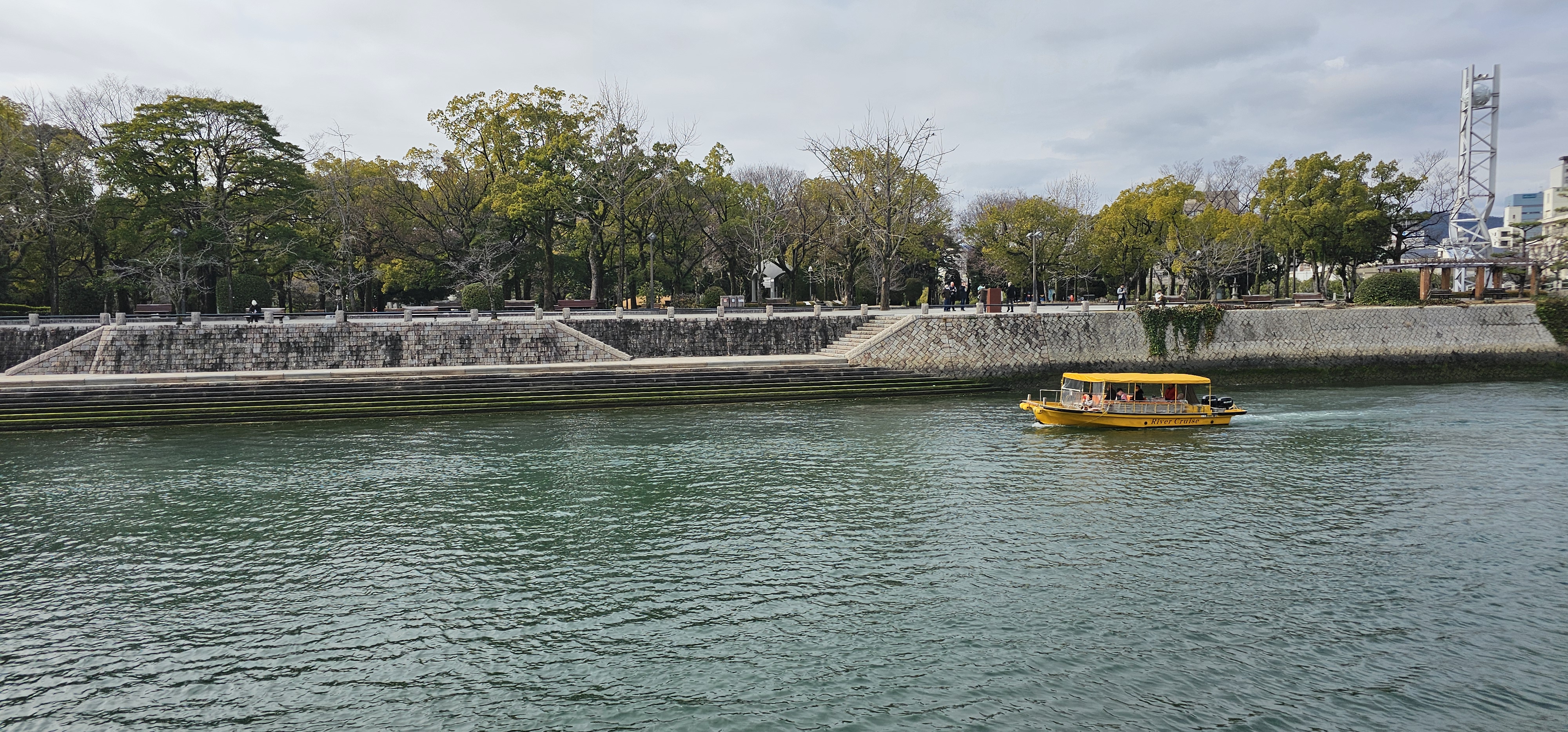
Hiroshima was also a military hub that led as a target for the first atomic bombing in the history of mankind. Along with Nagasaki, Hiroshima was a perfect spot to release the bomb due to its location and the American’s intent to weakened Japan’s military system. The bombings in Hiroshima and Nagasaki preceded to let Japan surrendered and ends World War II.
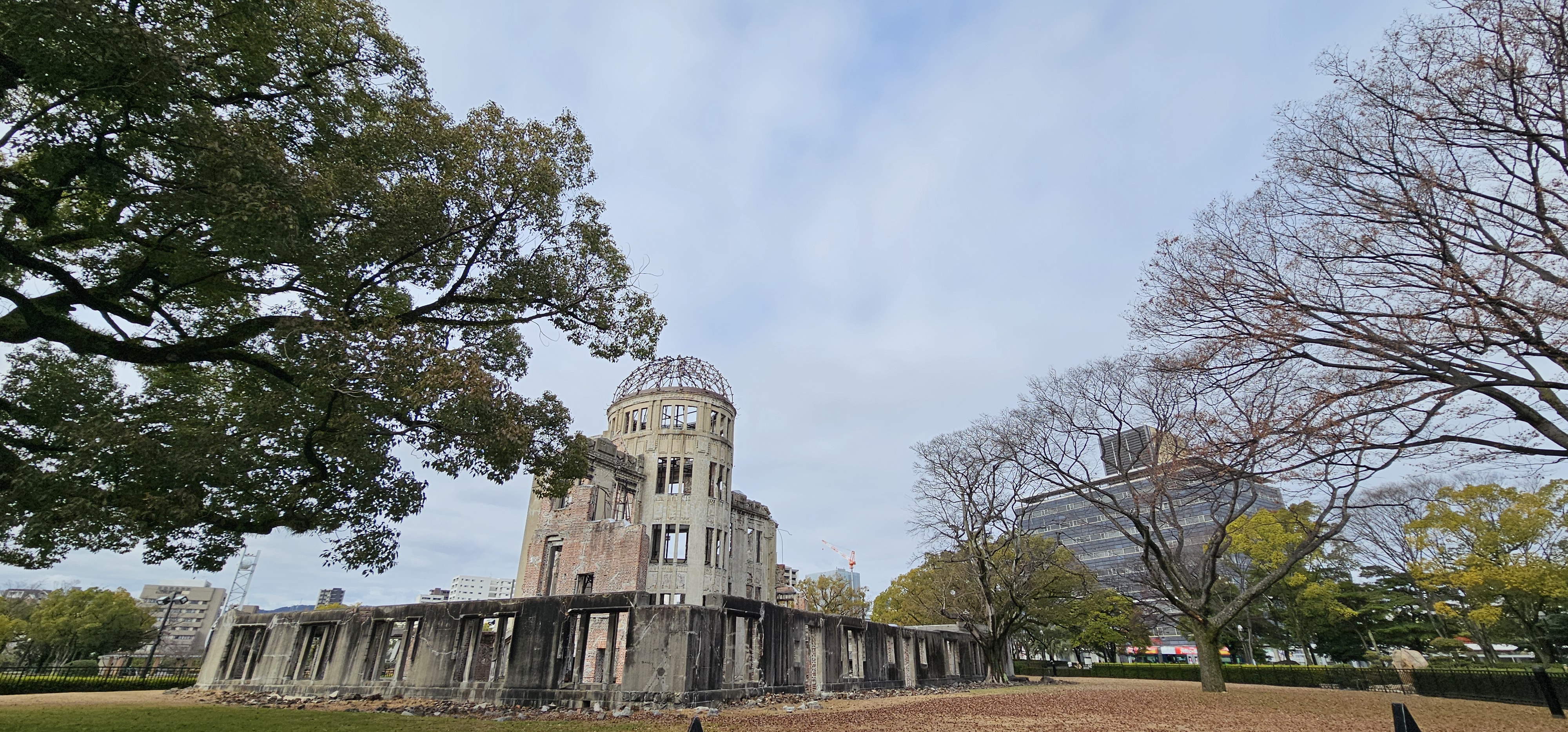
Though it may have been more than 70 years after the bombing, Hiroshima has known about the tragedy to mankind and even to our nature. The bombing destroyed lives of young and adult Japanese, their livelihoods, their houses and properties, the river, the forests, and everything that was less than 1.3 kilometer from the center of explosion. The effect of radiation left harmful diseases that also cause death to thousands of Japanese living in or nearby Hiroshima. It was horrible and for me the worst era of mankind.
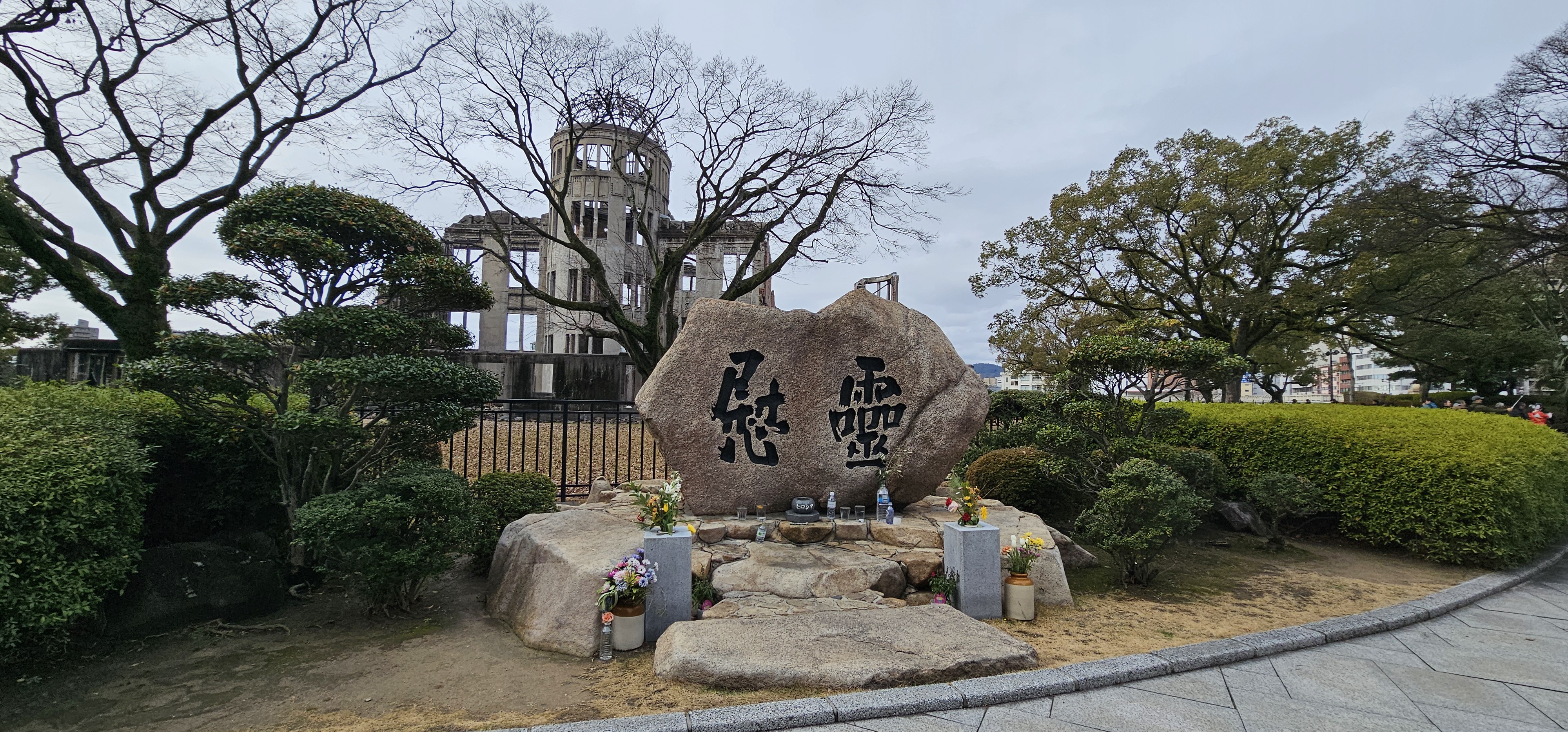
After all the stories I read, heard, and watched about Hiroshima bombing, I became more eager to travel to this place. It may be heartbreaking but history is history. It needs to be seen and felt. I planned ahead and added Hiroshima in my 2nd travel back to Japan.
How did I get there?
As I stayed in Osaka, I took the Shinkansen from Osaka Station to Hiroshima. I bought the JR Kansai-Hiroshima Area pass via Klook. It allowed me to use this pass for 5 days so I can visit places in Kansai and Hiroshima. This pass allowed me to sit in a reserved or non-reserved seat of Shinkansen. Since I do not have time to reserve a seat, I just hopped to any cars from 1 to 4 to get a non-reserved seat. You can choose any vacant seats from these cars.
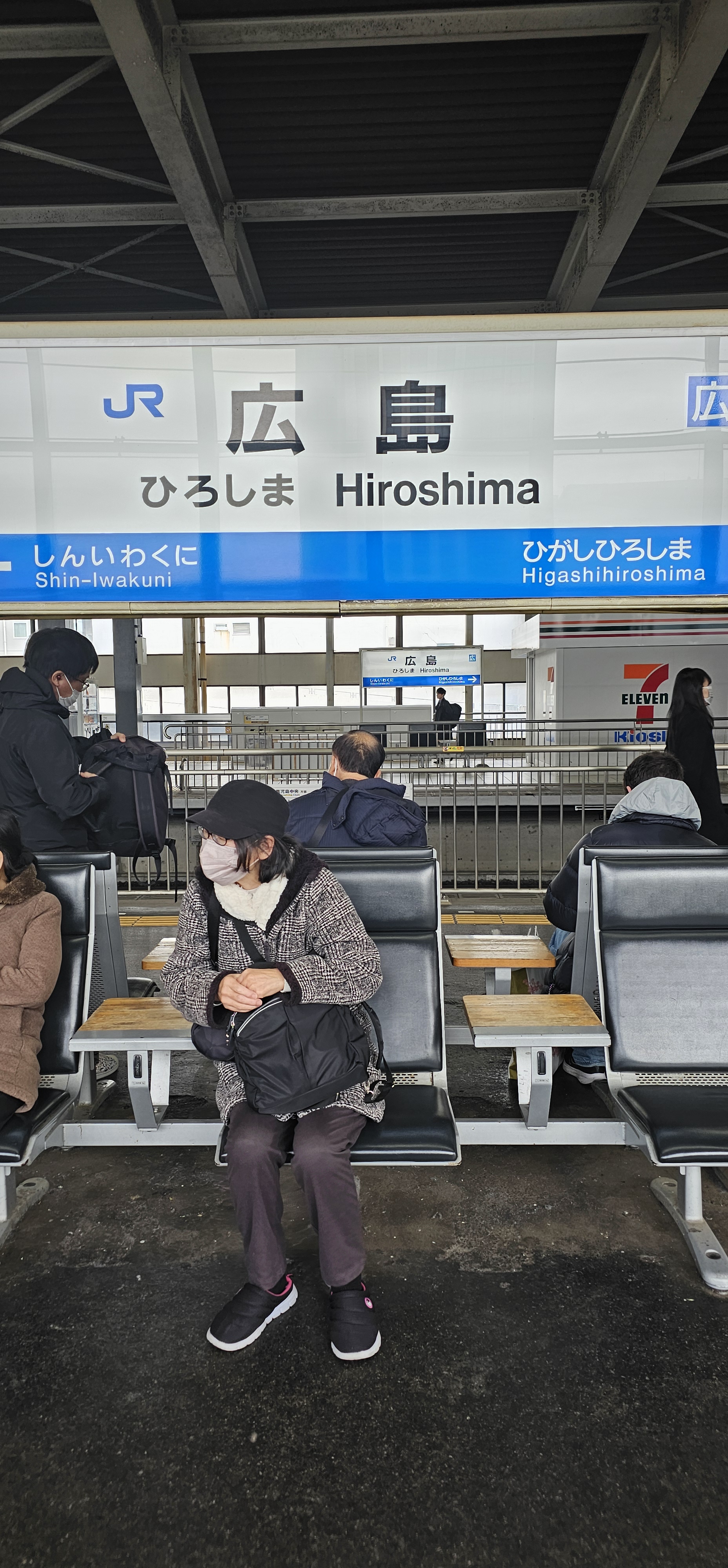
While at the Shinkansen, you may either view the amazing landscape from Osaka to Hiroshima. I was lucky to get a window seat so I can sleep for a bit. For me, the Shinkansen train is very comfortable and easy to navigate. From Osaka, it took me 2 hours to reach Hiroshima. It was almost 12 noon when I arrived in Hiroshima Station.
How did I get around the city?
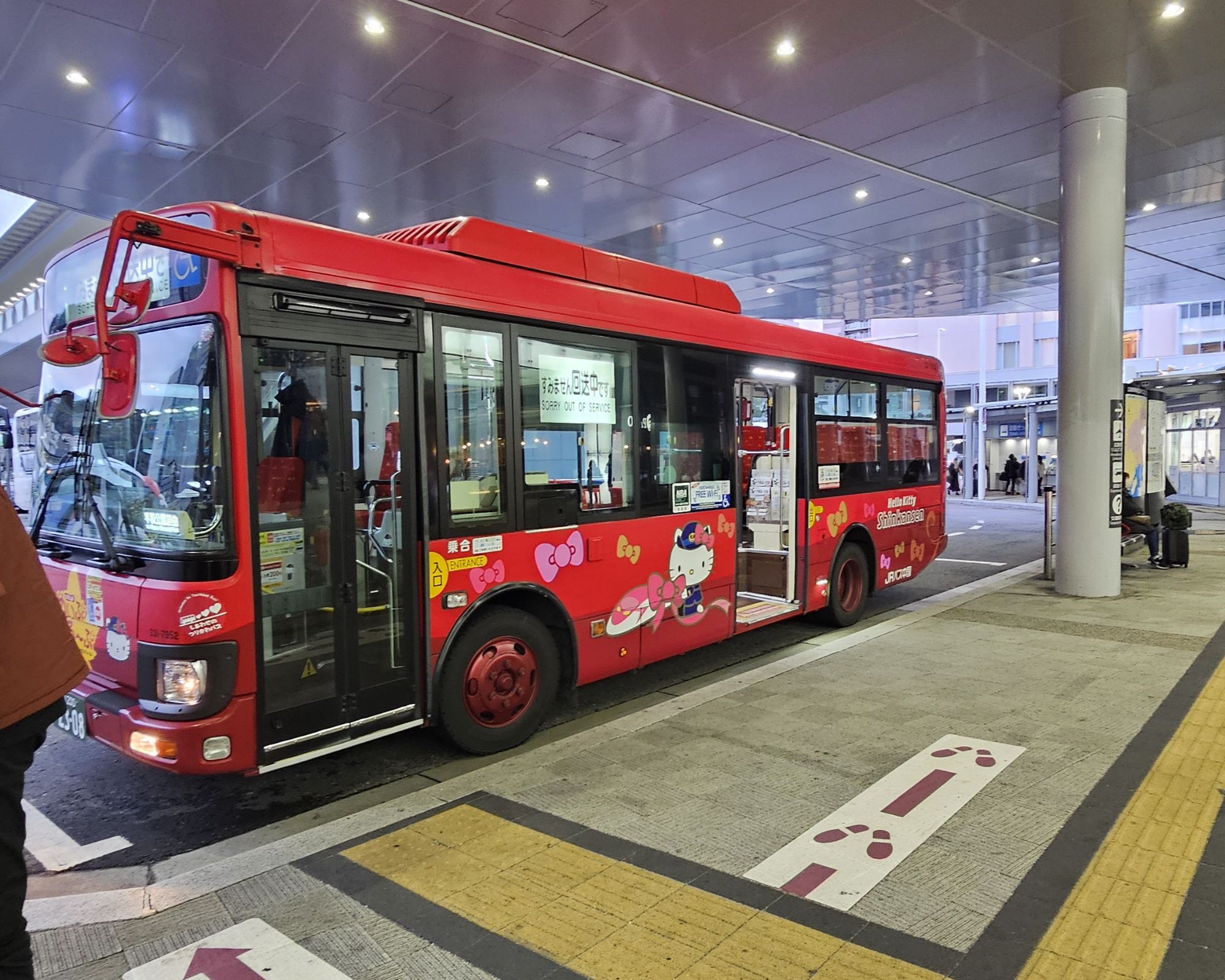
Hiroshima City is a vibrant and beautiful city now. Unlike in Tokyo and Osaka with metro subway trains, tram busses are the popular mode of transportation. I used my JR Kansai-Hiroshima Area pass to pay my transpo here.
Where are the places I travelled to?
Genbaku Dome or Atomic Bomb Dome
Entrance Fee: Free
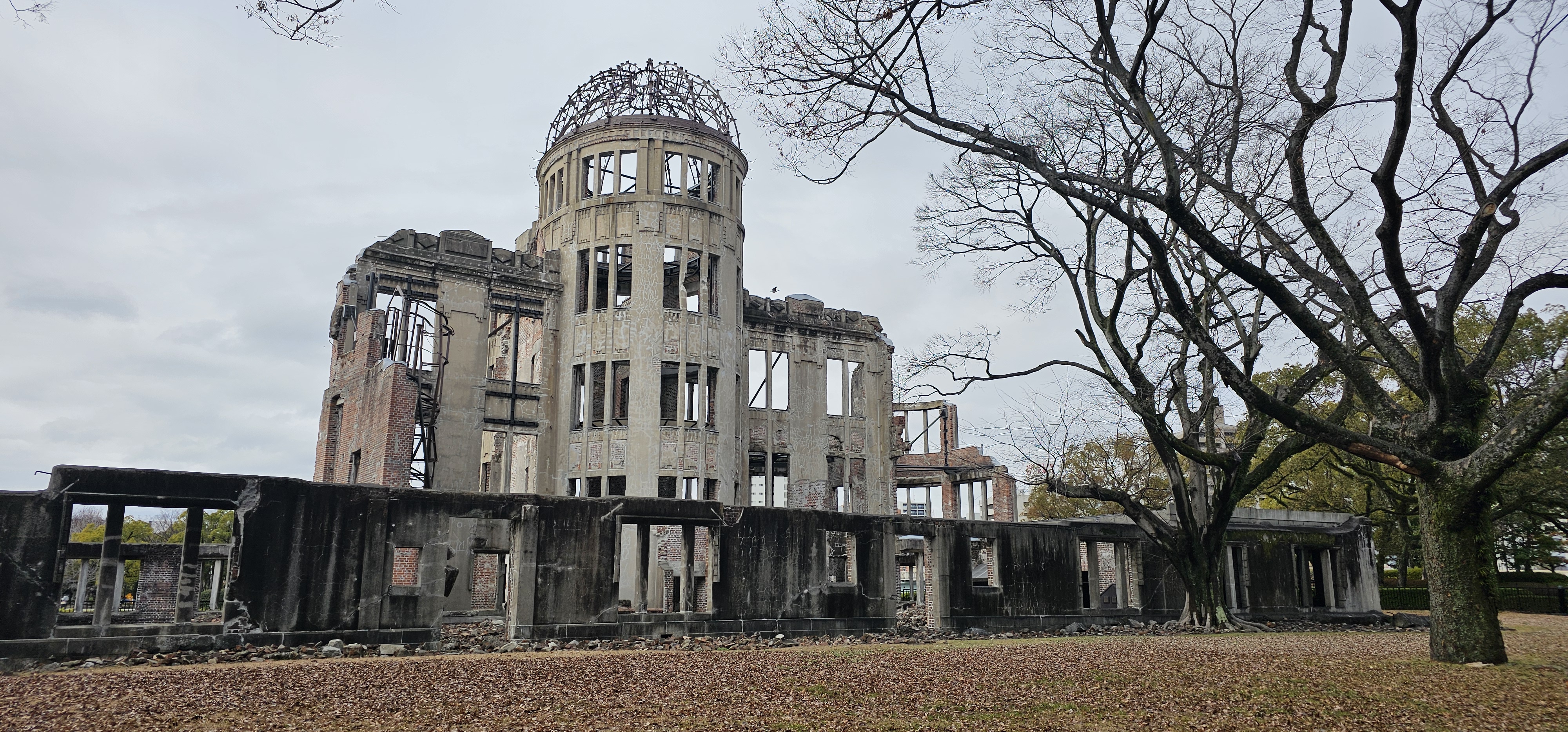
From Hiroshima Station, I took a tramway bus going to the A-bomb Dome. It was about a 15-minute ride to reach this place. When I arrived at the bus station near the dome, my heart almost stopped, and my eyes were very teary. I can’t believe that I was there and seeing the remnants of the atomic bombing.
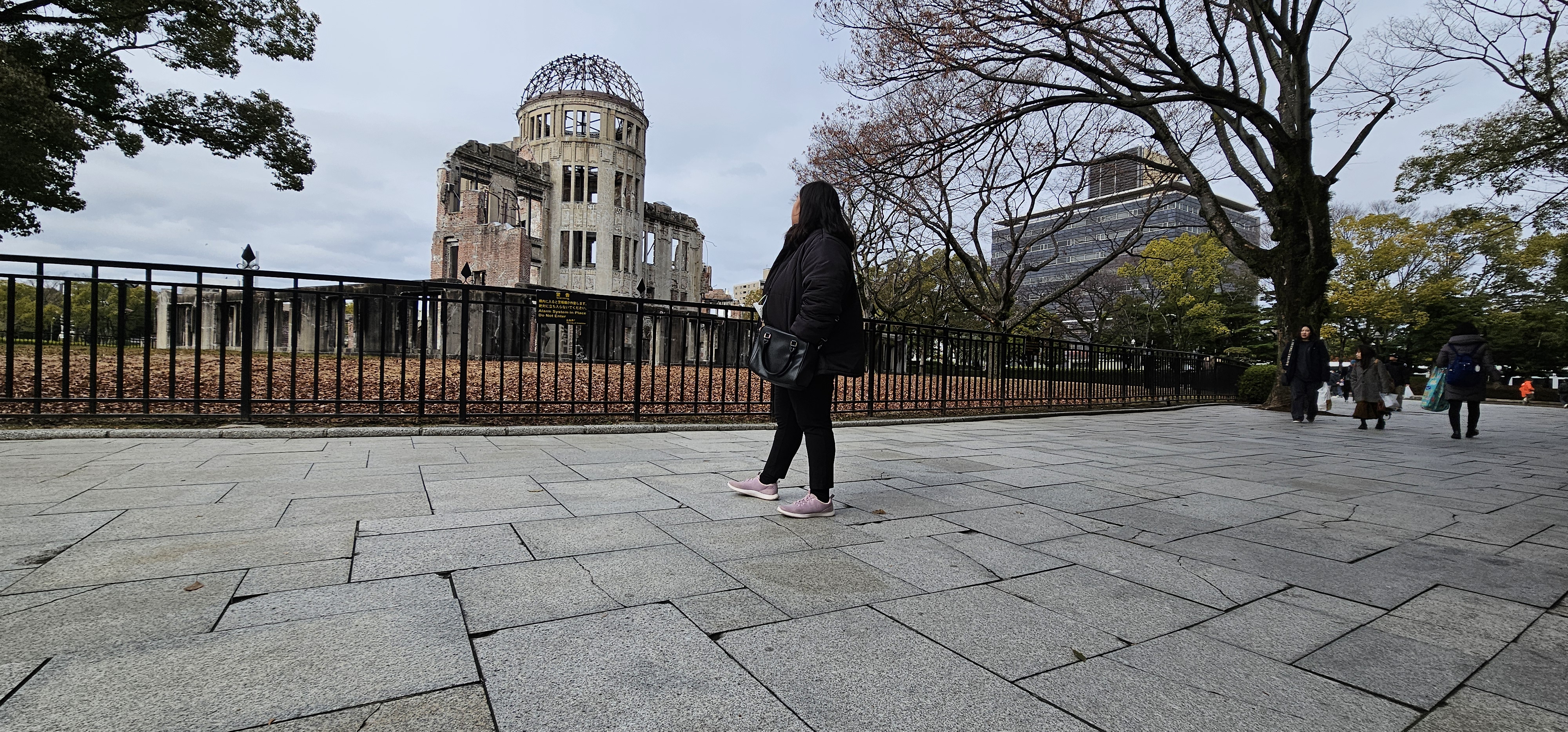
It took me some minutes to grasp what was happening. I was unsure if I was happy because I was able to fulfill a lifelong dream to be in Hiroshima, or if I will weep because of what I saw in my front – a place destructed by war.
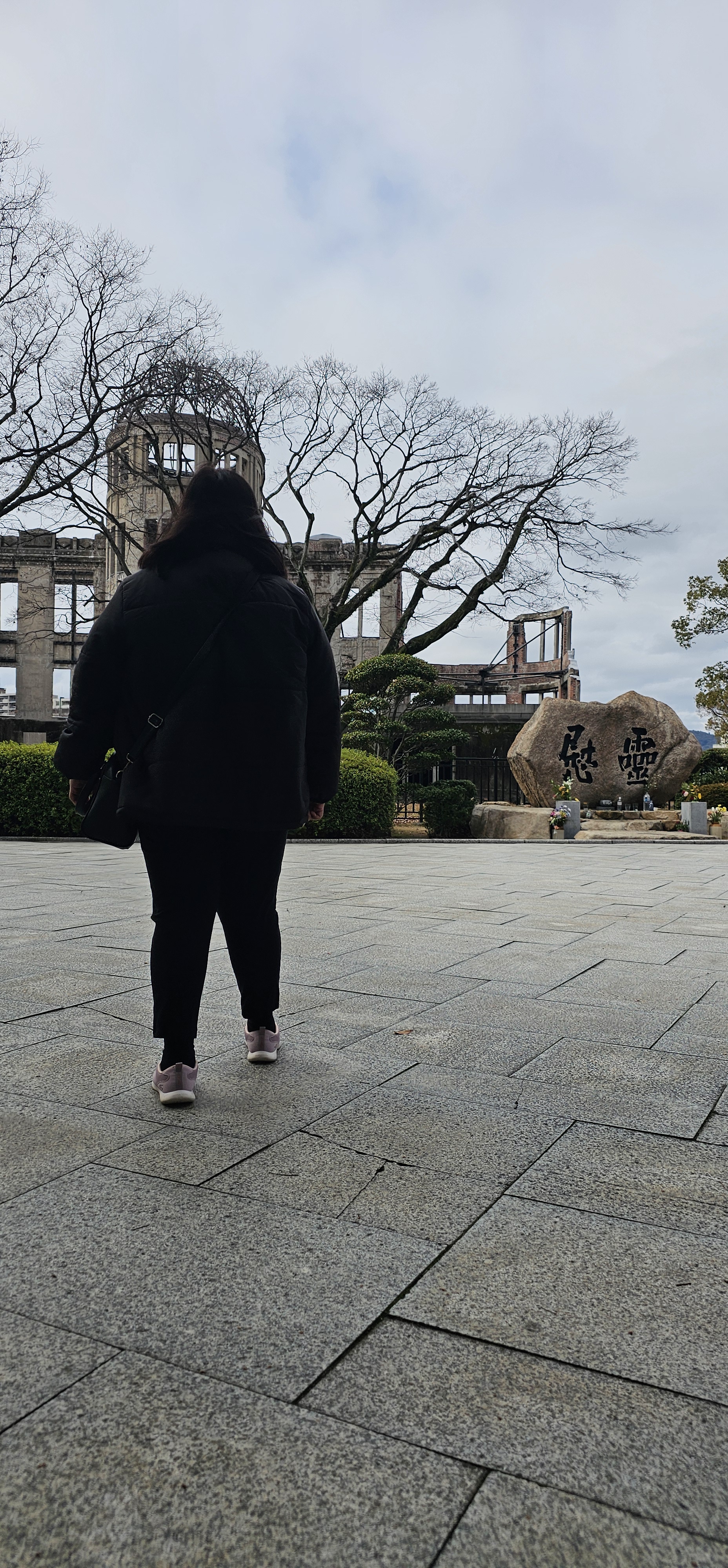
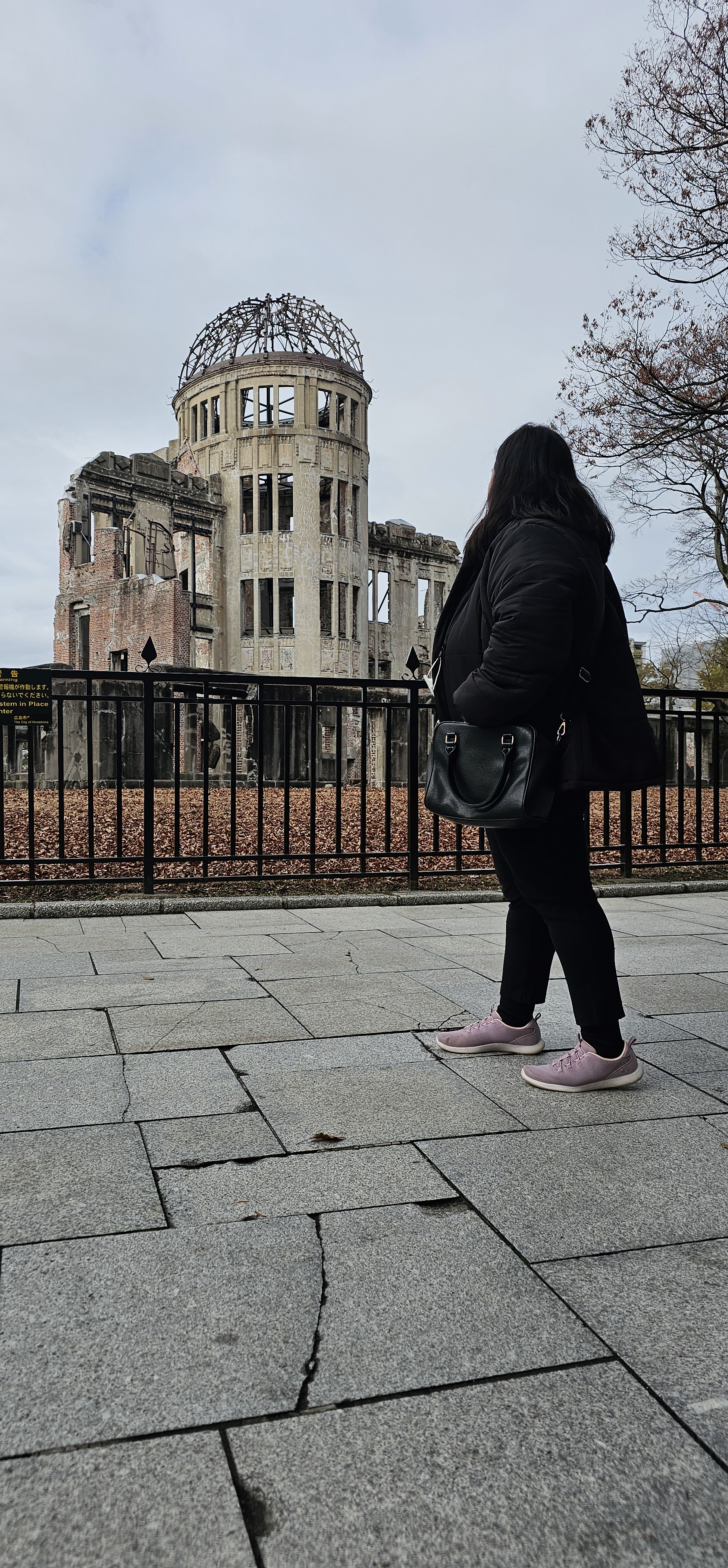
Genbaku Dome or what we called the A-bomb Dome was a place for arts and events before. Most of the exhibits, theaters or any kind of big events were held here before the war. From what I saw in my eyes, this place was big and consisted of different floors. In the current time, A-bomb Dome is surrounded by restaurants and boutiques along the riversides.
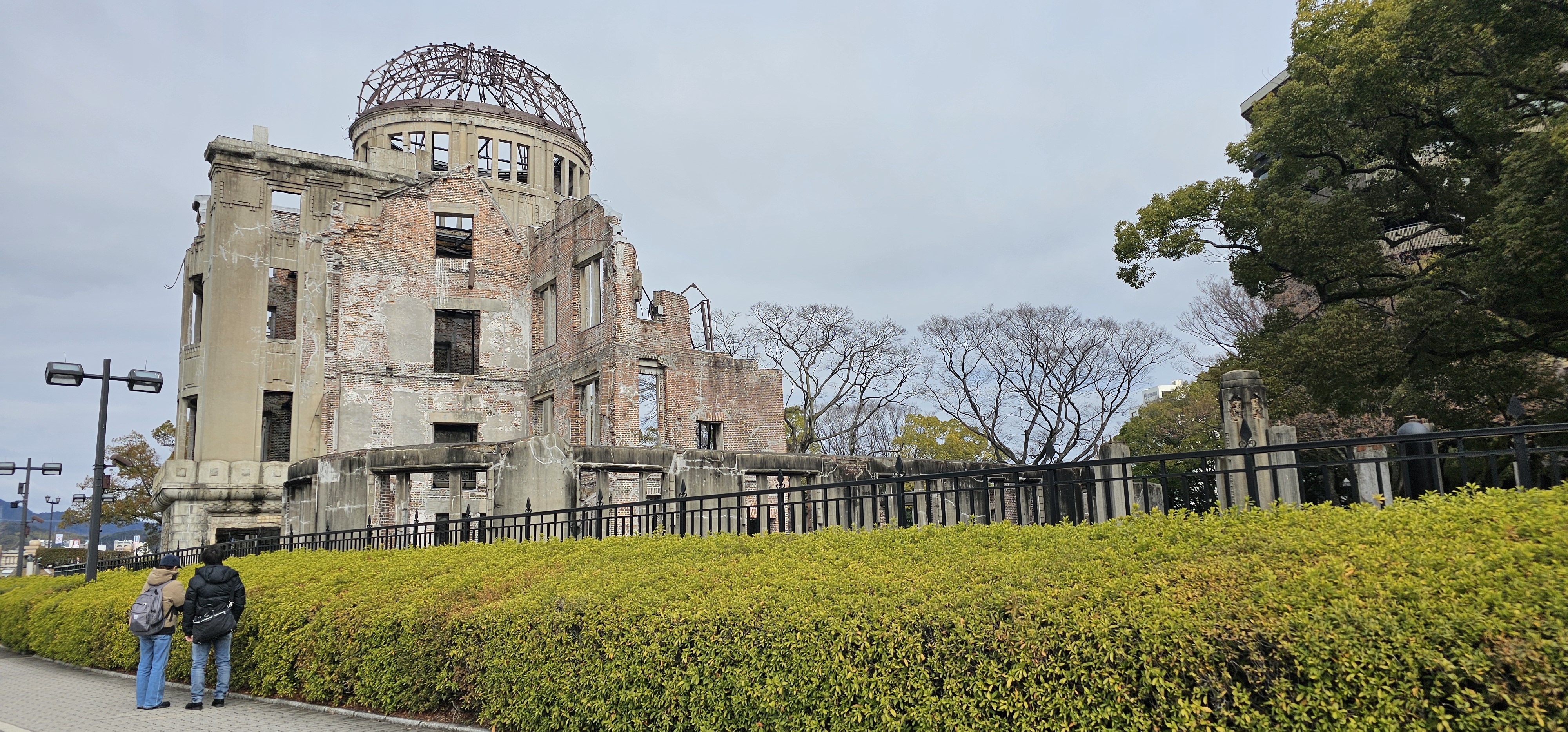
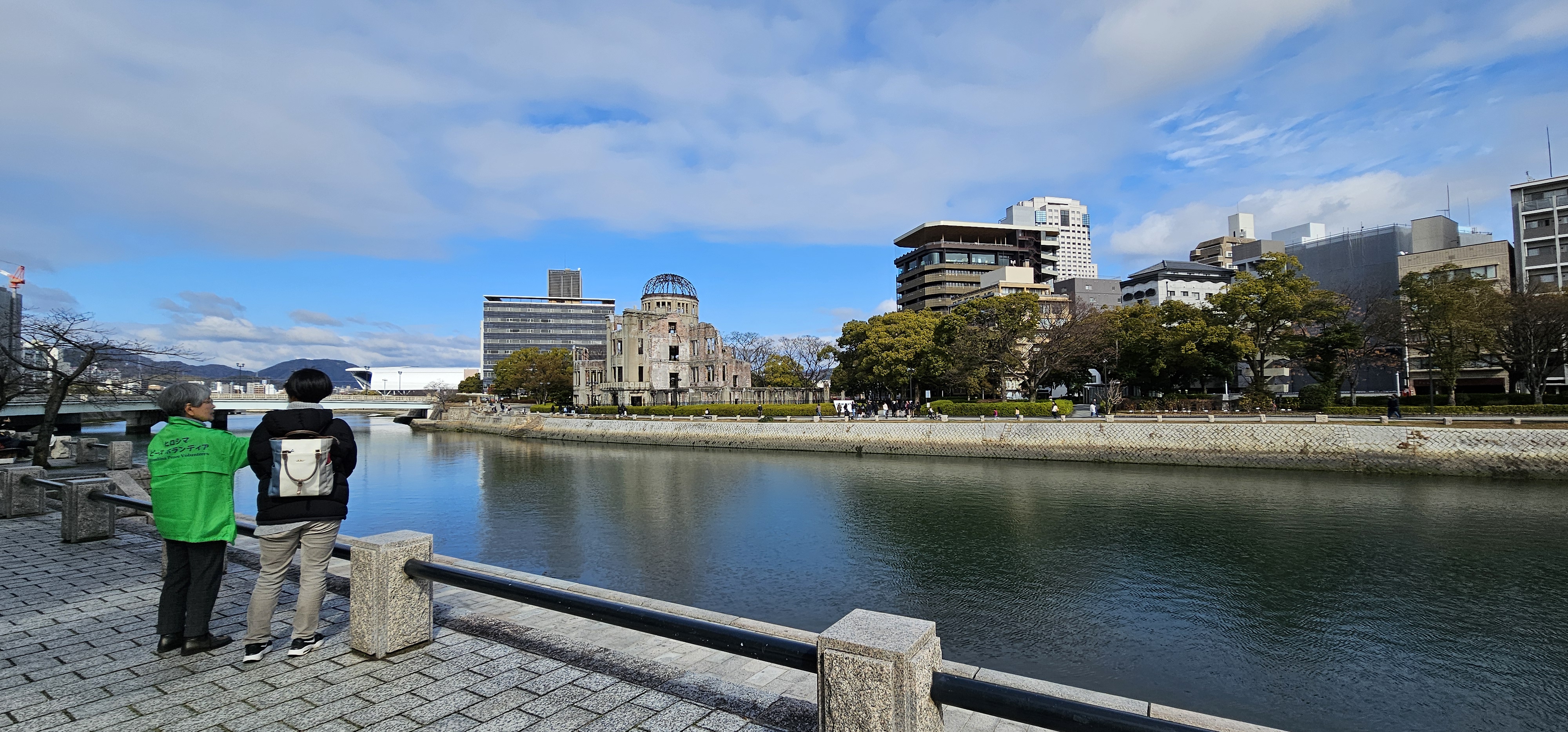
I sat in one corner to observe the structure of the dome and I pictured myself inside of it. It maybe the grandest structure in Hiroshima before but now it symbolizes a place that we should not ever be seen again in our lifetime with that kind of destruction.
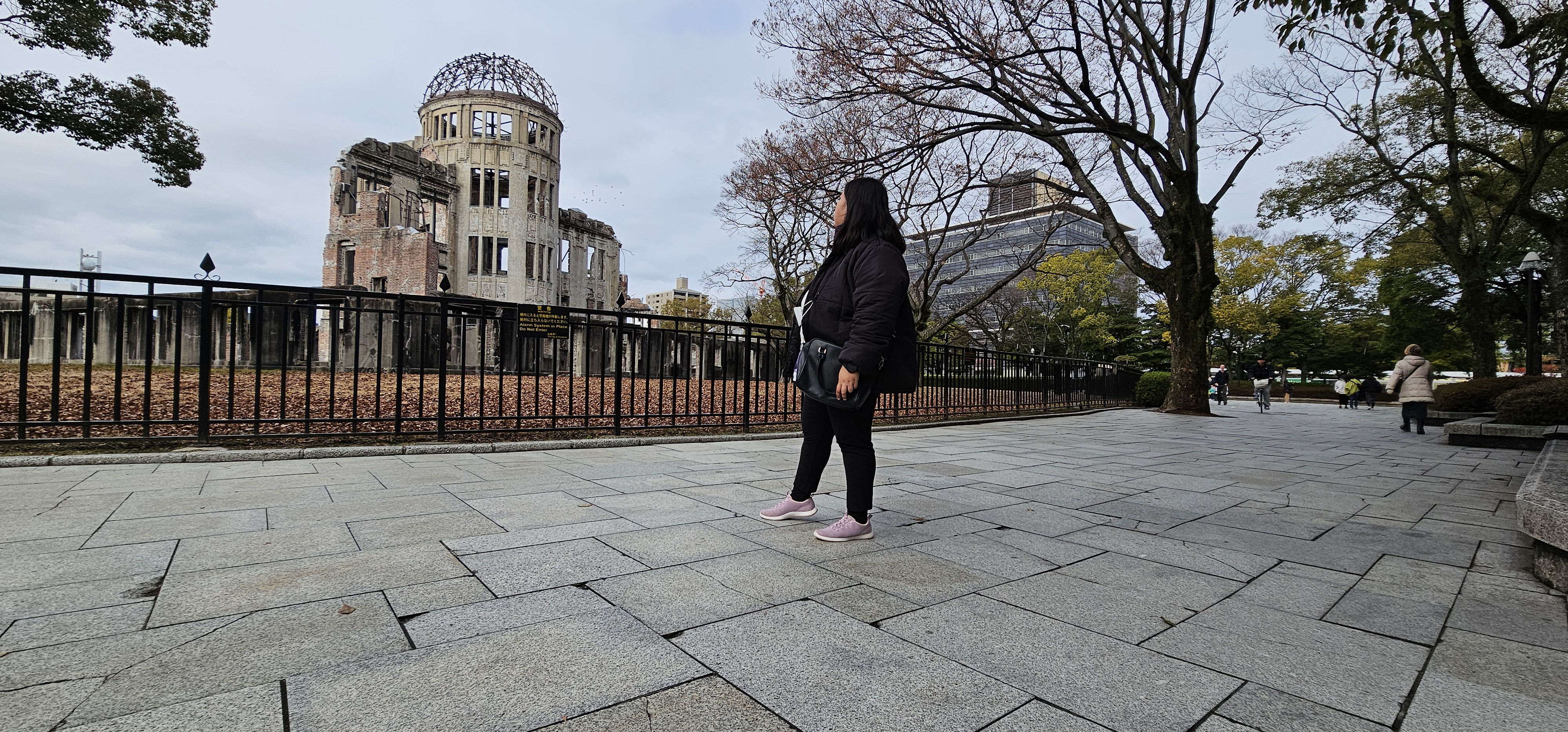
It was heartbreaking to see a piece of war but I was very privileged to witness it with my own eyes. The dome’s structure right now with destructed metals and cement blocks reminded me how men can be cruel to others. However, the dome also signifies hope that whatever may happen just like a nuclear bombing, something or someone can or will still stand to look forward in our future.
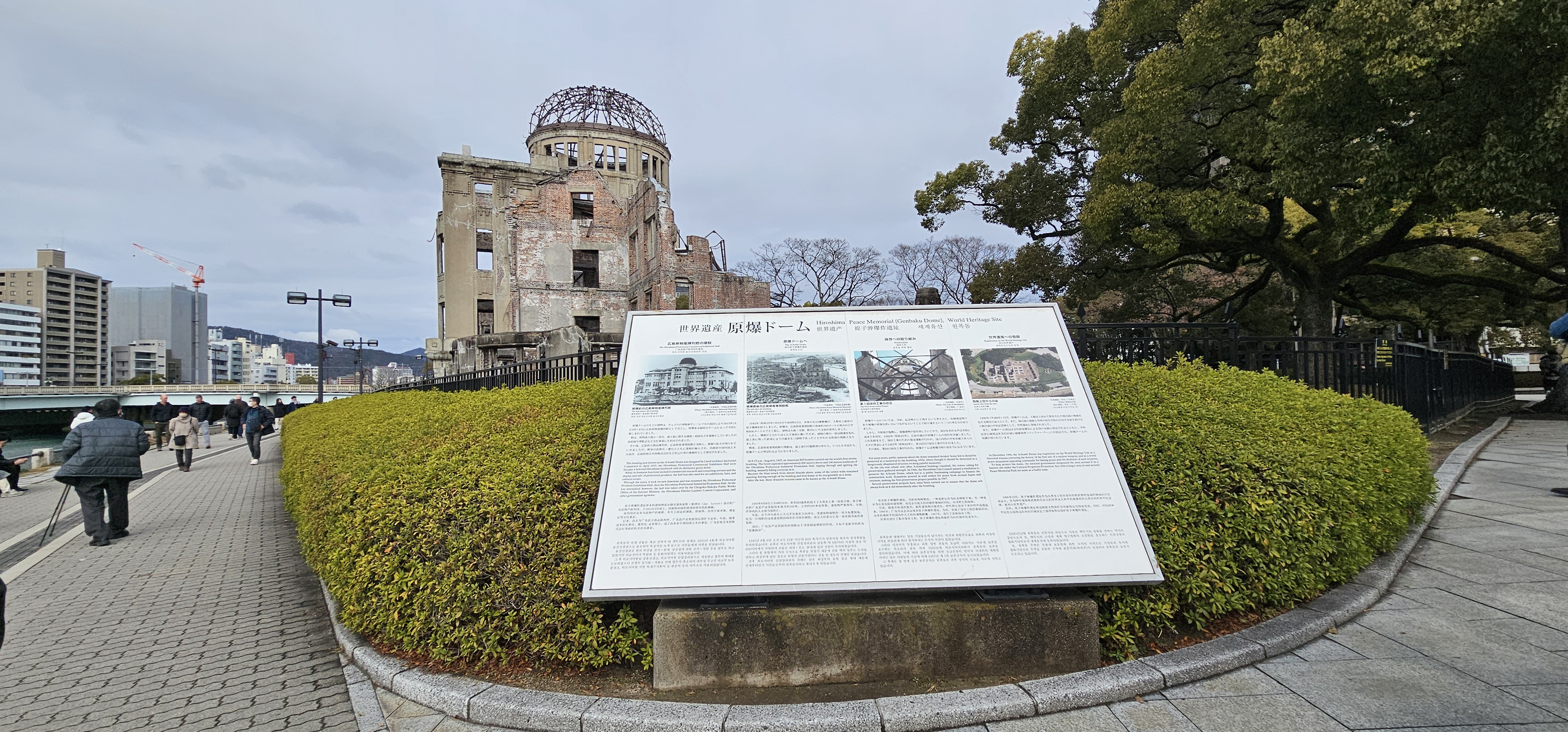
The A-bomb Dome has been declared as a UNESCO World Heritage site in 1996.
The Children Peace Monument
Entrance Fee: Free
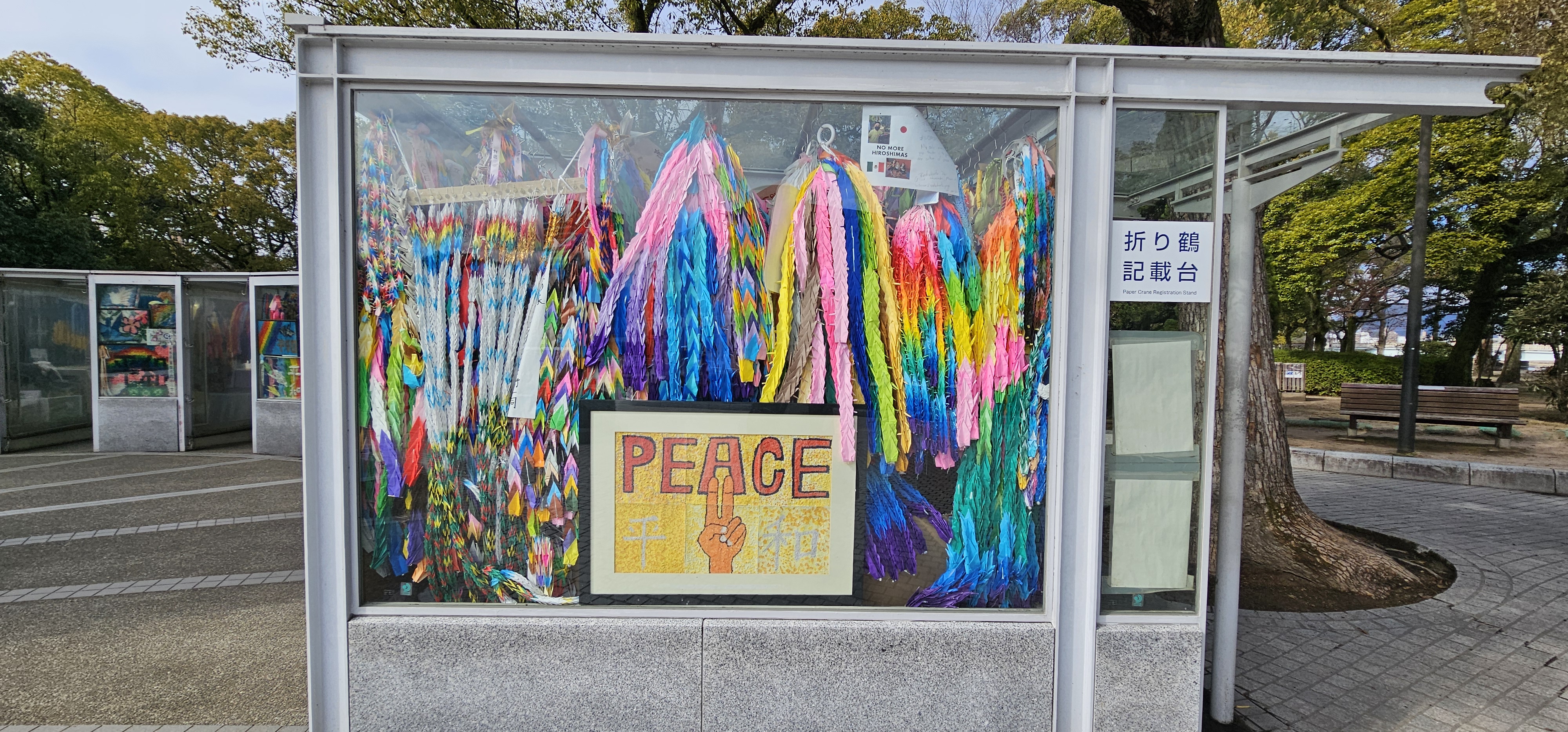
Inside the Hiroshima Memorial Peace Park is the Children’s Peace Monument. It was built in 1958, standing 9 meters high with engraved words “This is our cry, this is our prayer, to build a world of peace”. Inside of it is a bell in origami shaped like a crane that symbolizes peace.
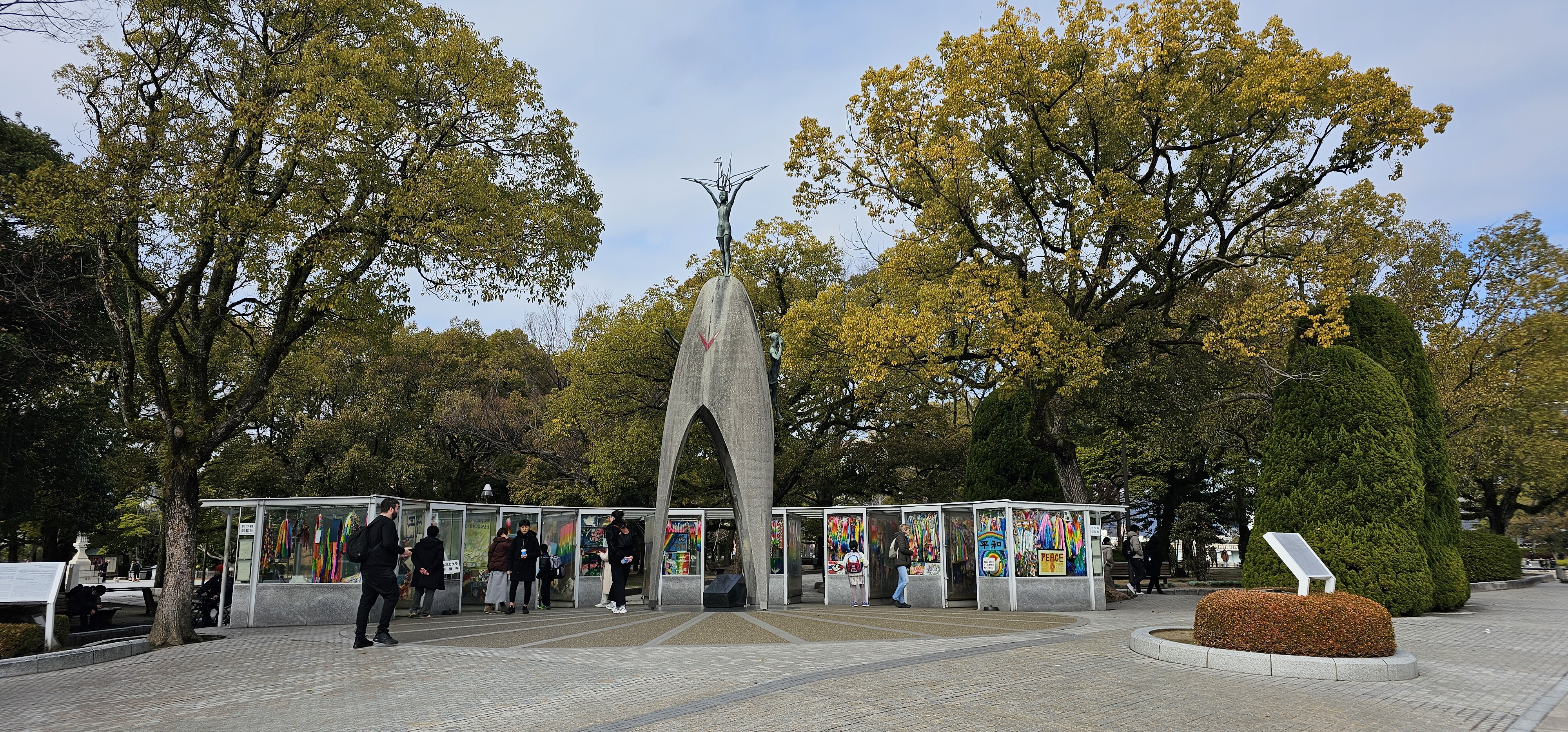
On the top of the monument, a figure of girl named Sadako Sasaki is standing tall. Sadako-san was 2 years old when the atomic bomb exploded. She was healthy and developed a talent for running. However, Sadako-san obtained leukemia, 10 years after the bombing, it was linked to the radiation from the bomb.
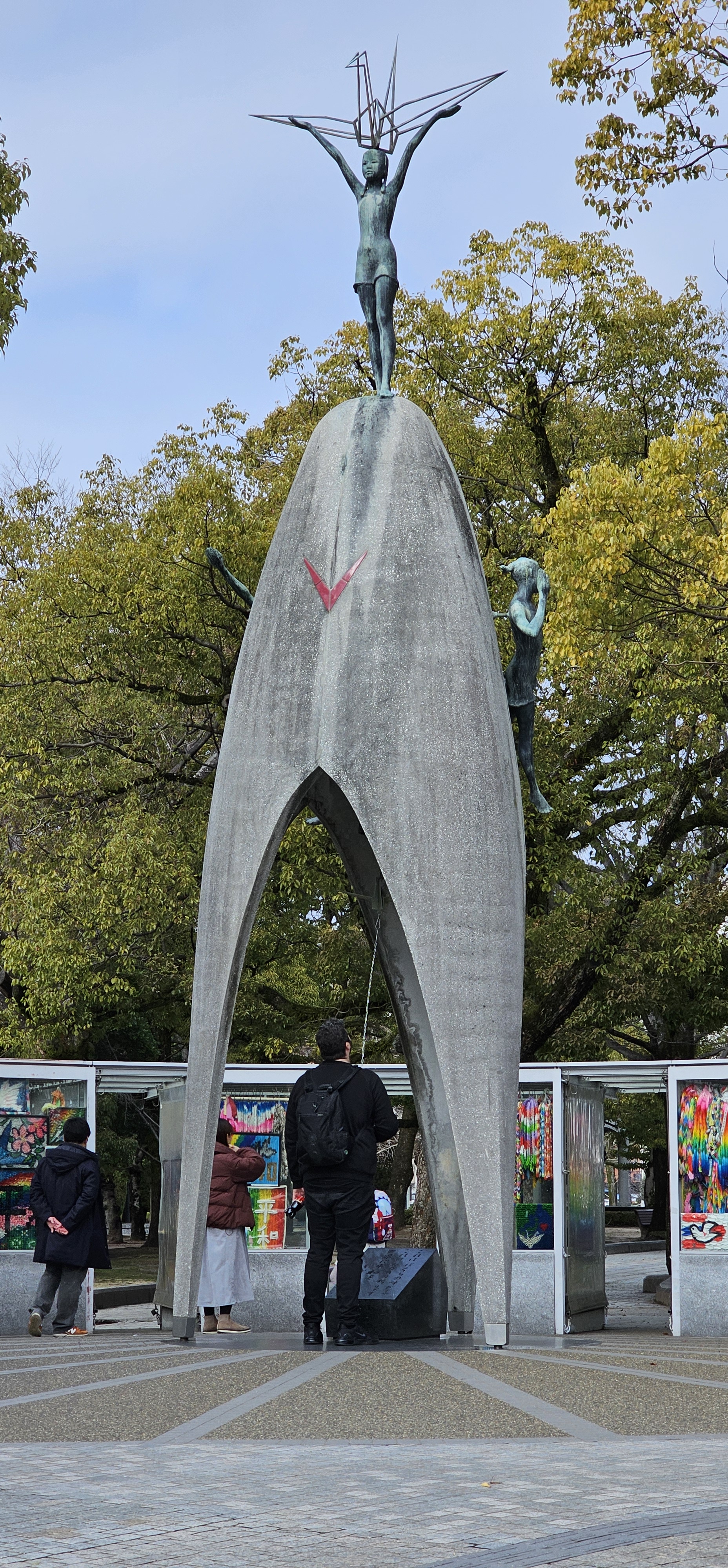
Sadako-san has been an inspiration along with the other children who were affected by the bomb. As I walked to the monument, I rung the bell to pay respect to all the lives that were lost during the bombing in Hiroshima. It was a sad moment for me, yet I wanted to dedicate that day to the lives we lost with a simple prayer.
Assumption of Mary Cathedral
Entrance Fee: Free
Also called the Memorial Cathedral of World Peace. This church has been built in 1954. It is part of the Diocese of Hiroshima that celebrates mass in Japanese and English. Pope John Paul II visited this church as part of his Japan tour in February 1981. It was built in tribute to the victims of war.
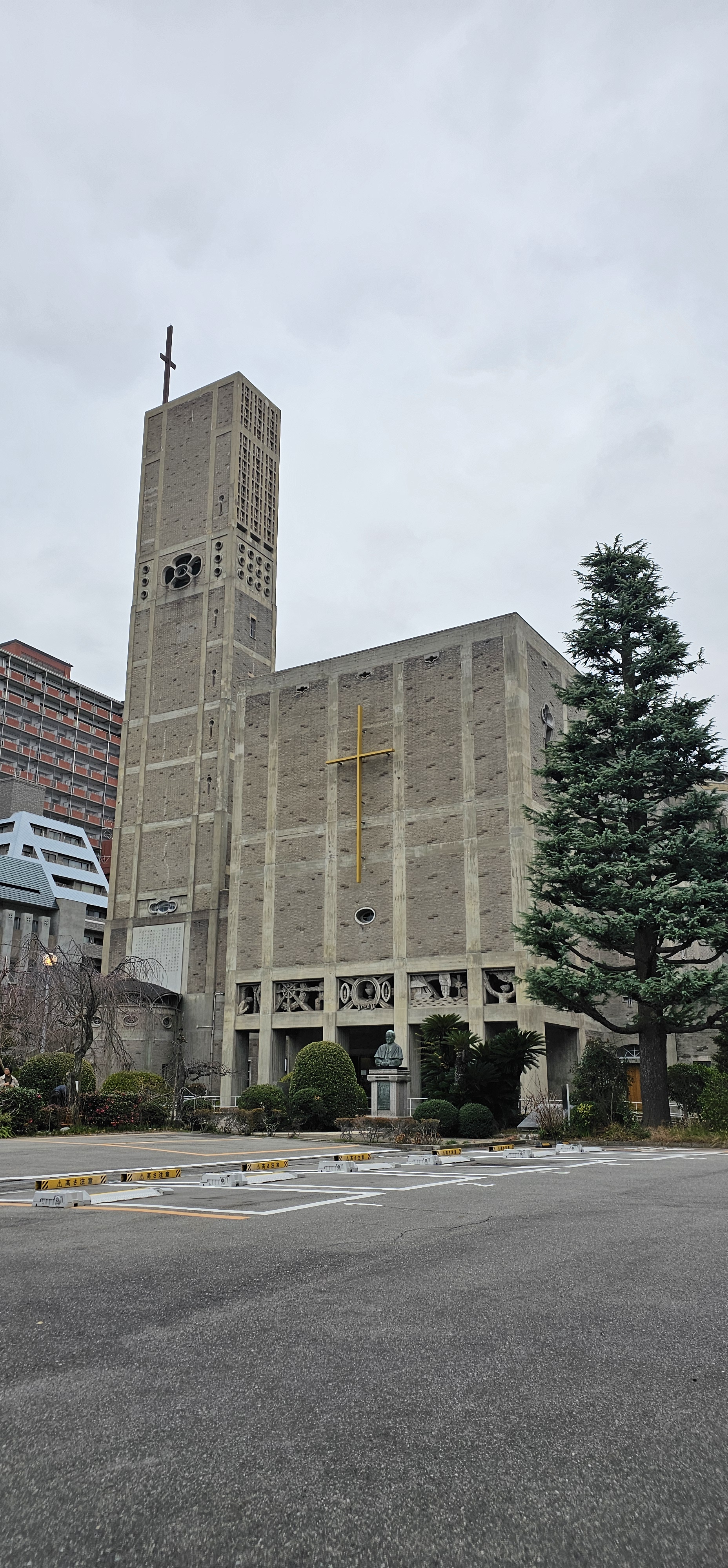
Since I arrived past noon in Hiroshima, I had limited time to stroll around the Memorial Peace Park. I intended to attend the Sunday mass that will be at 2:30 PM. I was eager to attend this mass as it will be celebrated in English, the next mass will be in Japanese language. Also, it was my father’s 15th death anniversary. Attending this mass on that day in a different place is also part of dedicating the day for him.
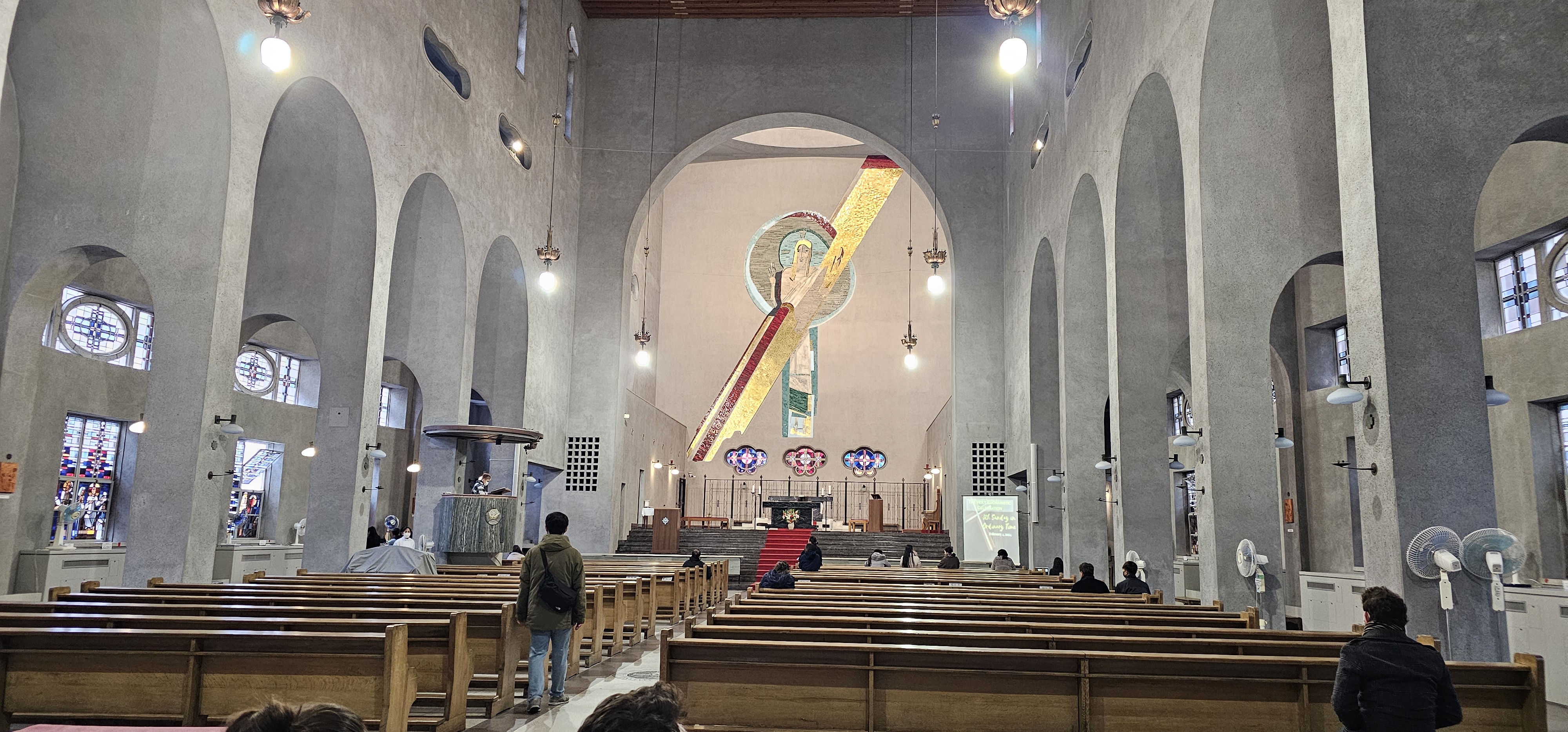
After the Child Peace Monument, I hopped to a tram bus going to Noborochi. It was a less than 10-minute ride from the Memorial Peace Park. After stopping at Noborochi, I got confused in the direction, it took me another 10 minutes to find the right way to go to the church. After about 15-minutes of walking, I found the cathedral. If you will stop at Noborochi, it will take you just 10 minutes to walk from the main street to the church.
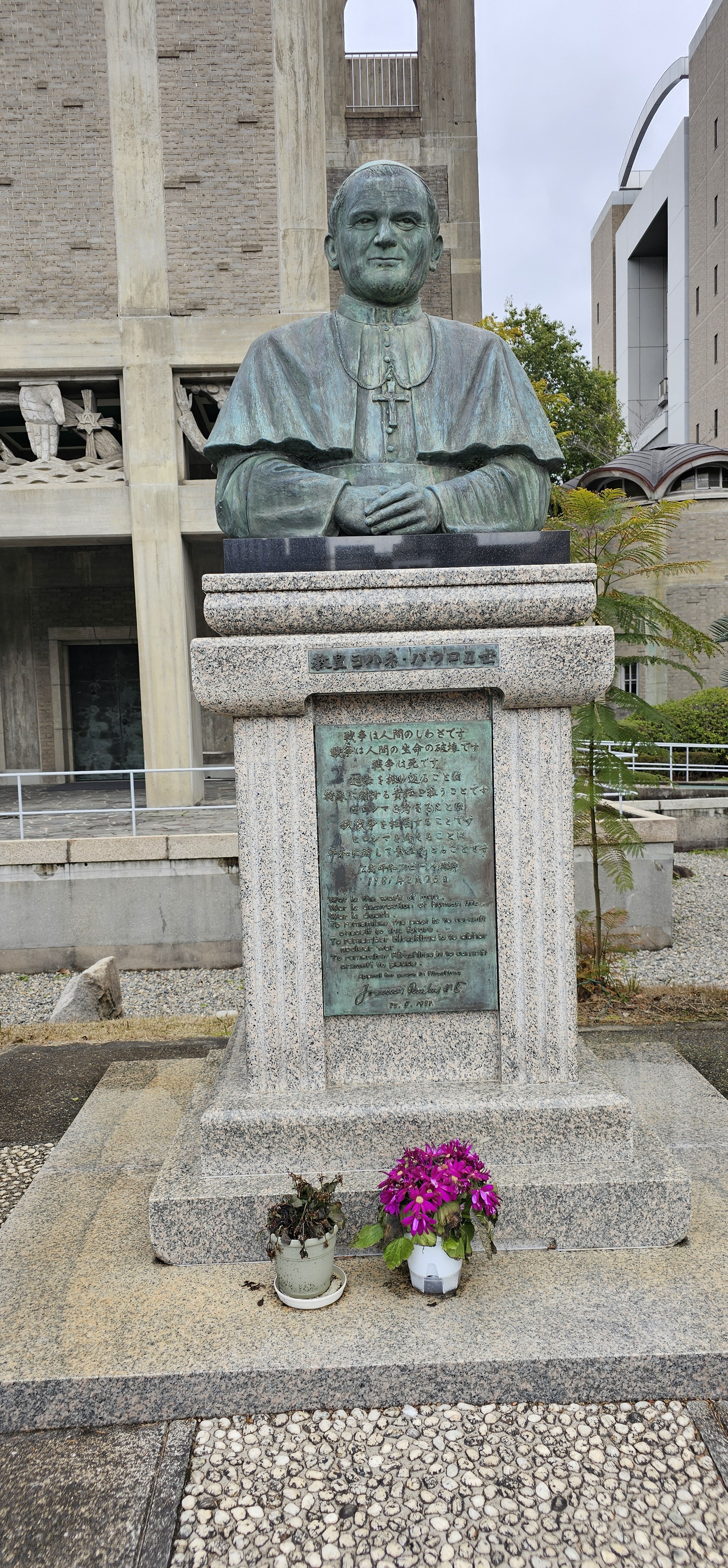
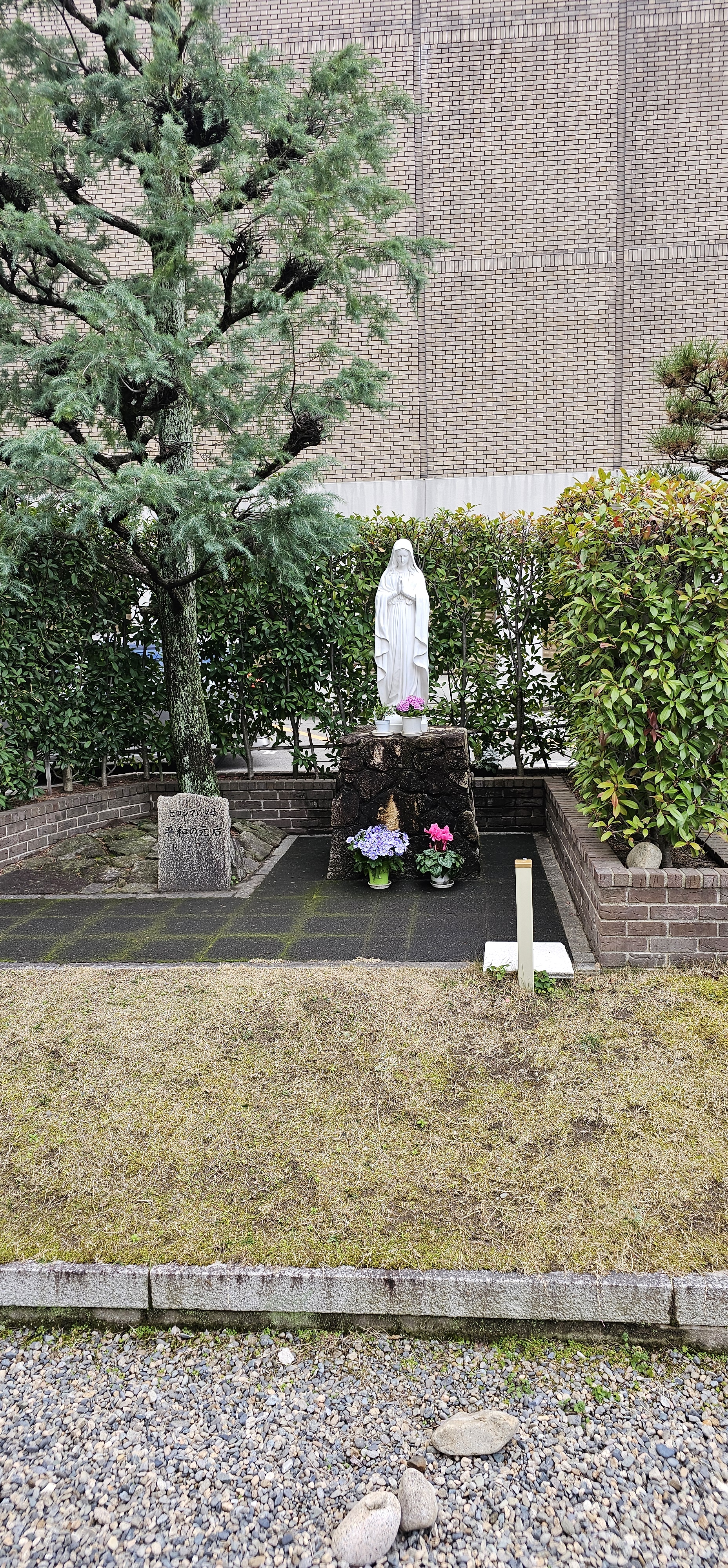
Right in time, I still have some minutes to stroll around the church and take photos. I was delighted to see that most of the volunteers of the church, from the reception up to the lectors and commentators, even the singers are all Filipinos! It was like attending a mass in our local towns. Though the mass is celebrated in English, I am still happy to see the faces of my “kababayan”. It seems it was a small community where everyone knew each other.
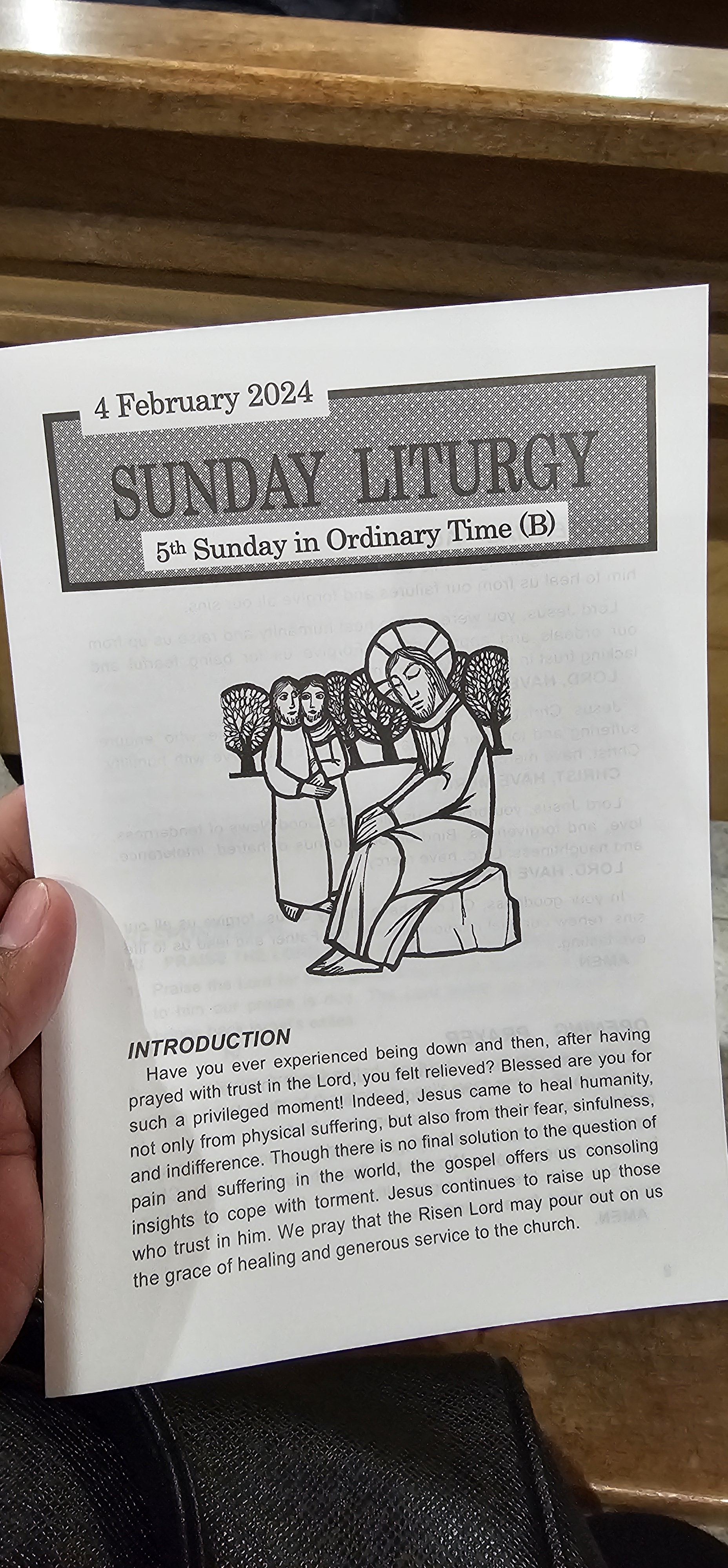
Travel Tip: Arrive early in Hiroshima if you want to explore the Memorial Peace Park. As for me, I get back and forth to the park and from the church to attend the 2:30 PM Sunday mass.
Hiroshima Memorial Peace Park
Entrance Fee: Free
After I attended the mass, I hired a cab going back to the park. I was in a hurry as I have limited time before the closing of museum. Though, I was in a rush, I still paid my respect to all the fallen lives that we lost after the nuclear bombing.
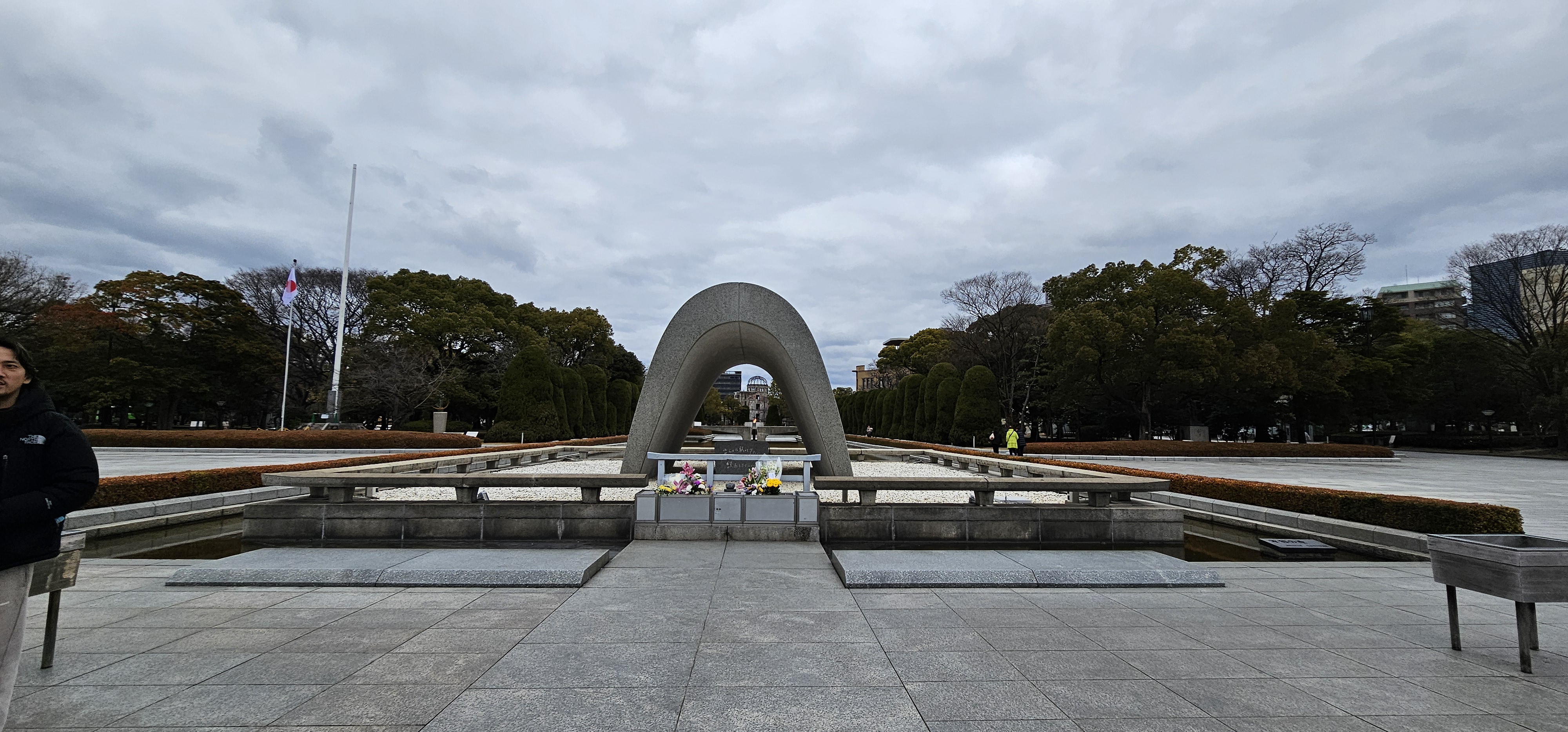
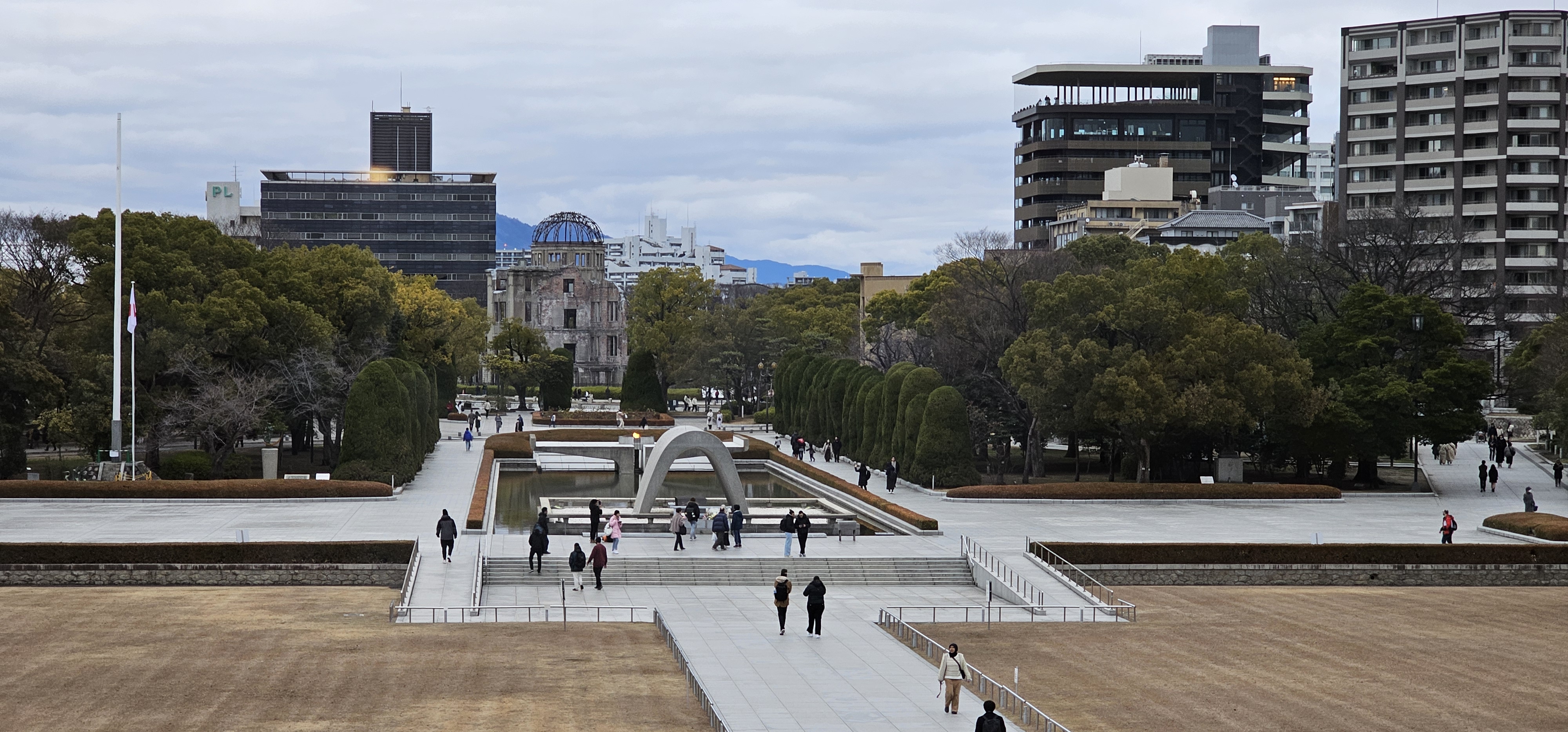
The Peace Park has a memorial place where the A-bomb Dome is seen through the other side. I do not know the exact story on why it was structured like that. However, for me, it was like going through a lense, that whatever may happen in the future, we can still look back in the past, that is my own interpretation of the memorial.
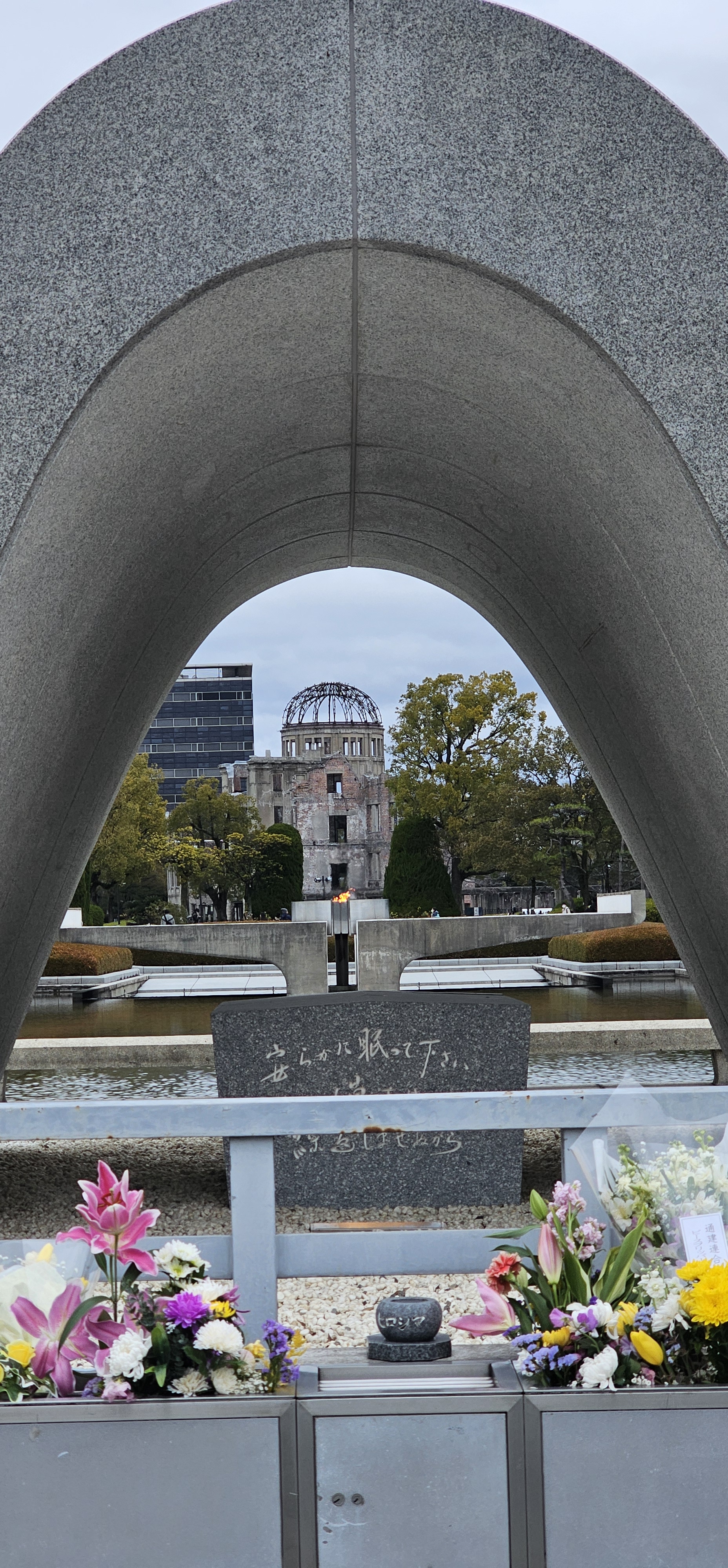
Hiroshima Peace Memorial Museum
Entrance Fee: ¥ 200, additional fee for audio guides
One of the saddest parts of my life is entering this museum. Before I was dreaming about this but when I entered the museum, I felt a different kind of sadness. A sadness that I will carry for the rest of my life. No drama, that pain was real.
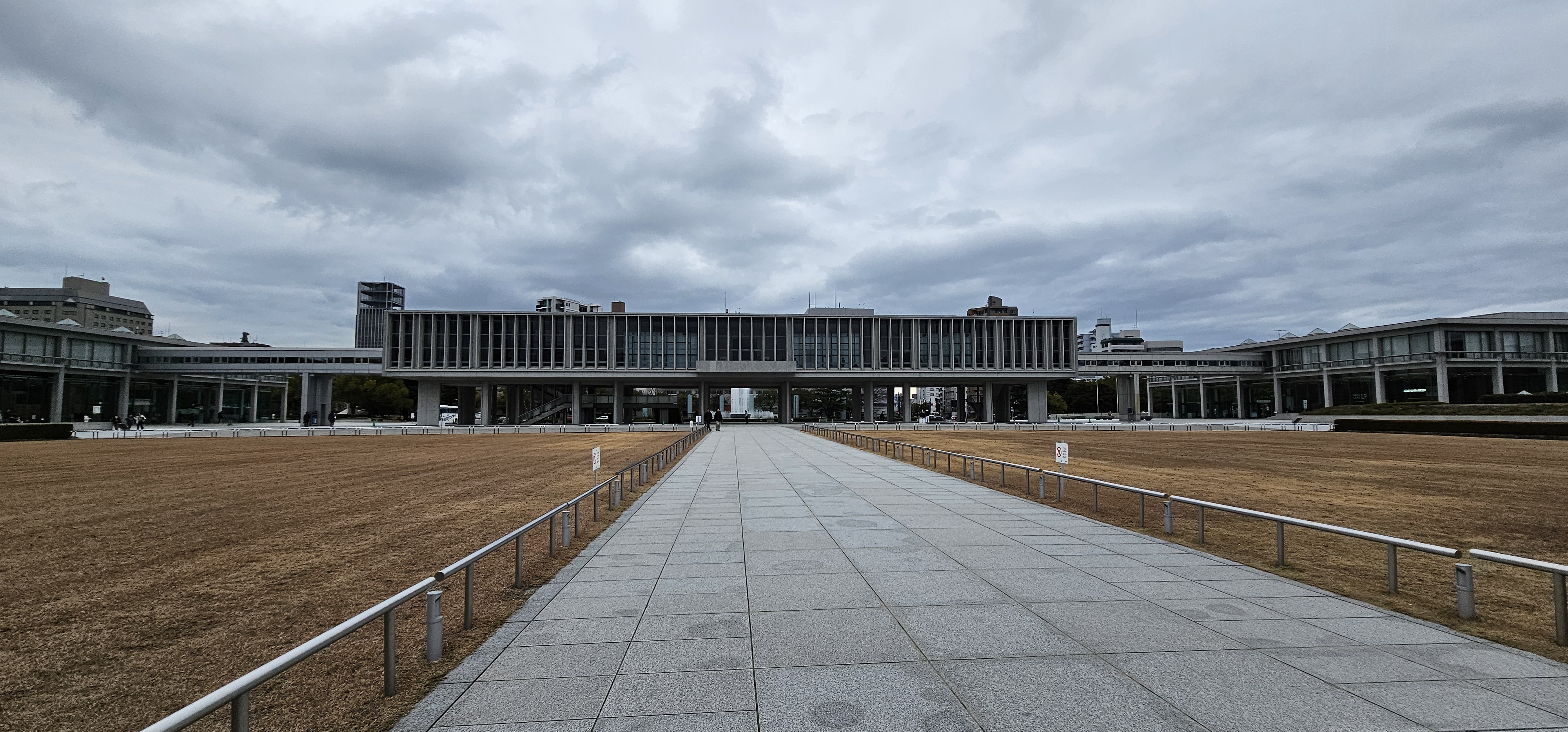
The museum is a 2-storey building filled with stories of the life in Hiroshima and the lives we lost. The diorama with live video of what happened before and after the bombing was nerve-racking for me. I imagine myself being on that time, having a simple day and then all will be taken away.
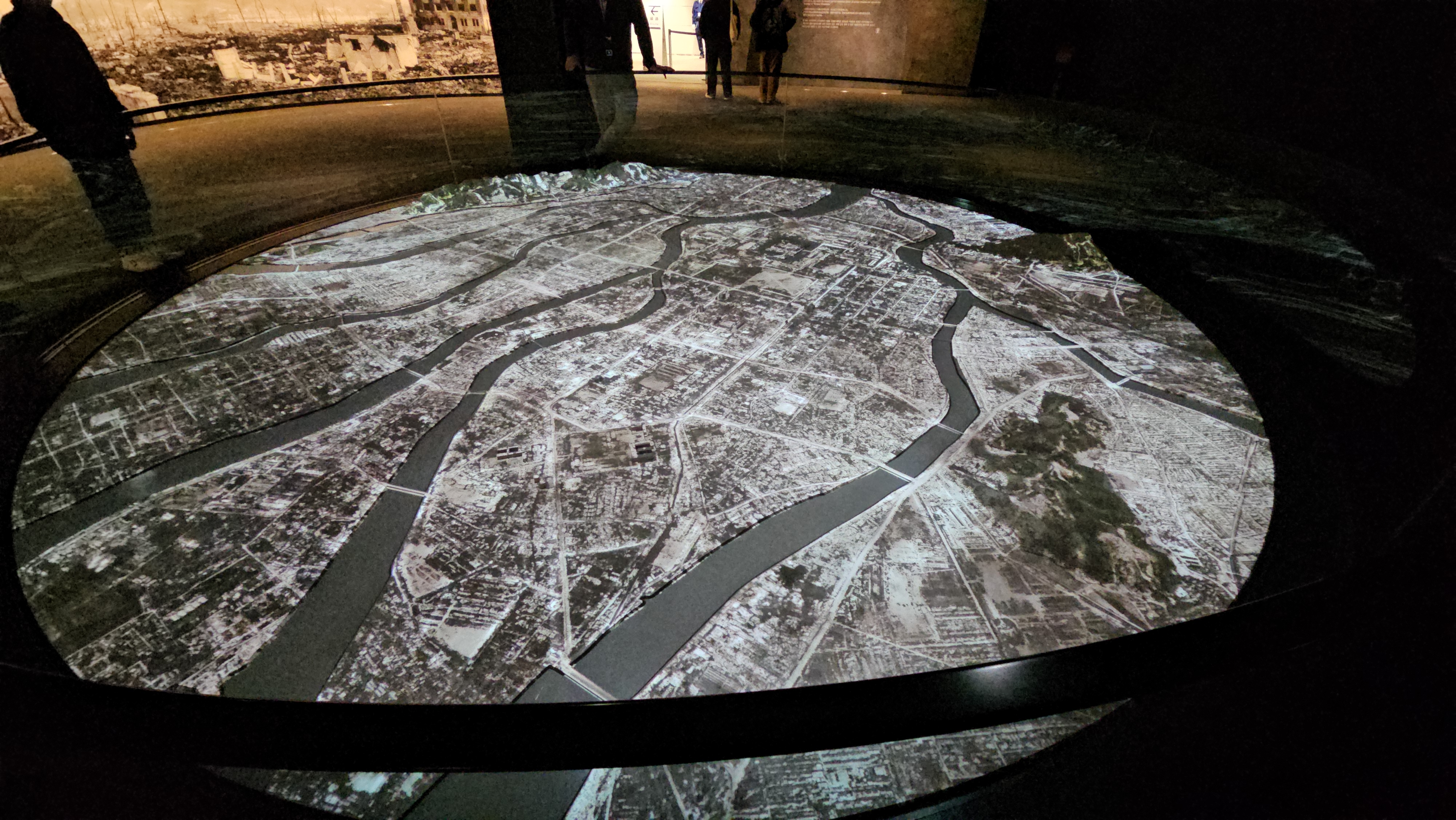
The stories of the children gave me the most heartbreaking part. All of their stories of just having a simple day at their homes and schools without having that knowledge that their lives will be destroyed in minutes was very difficult to grasp.
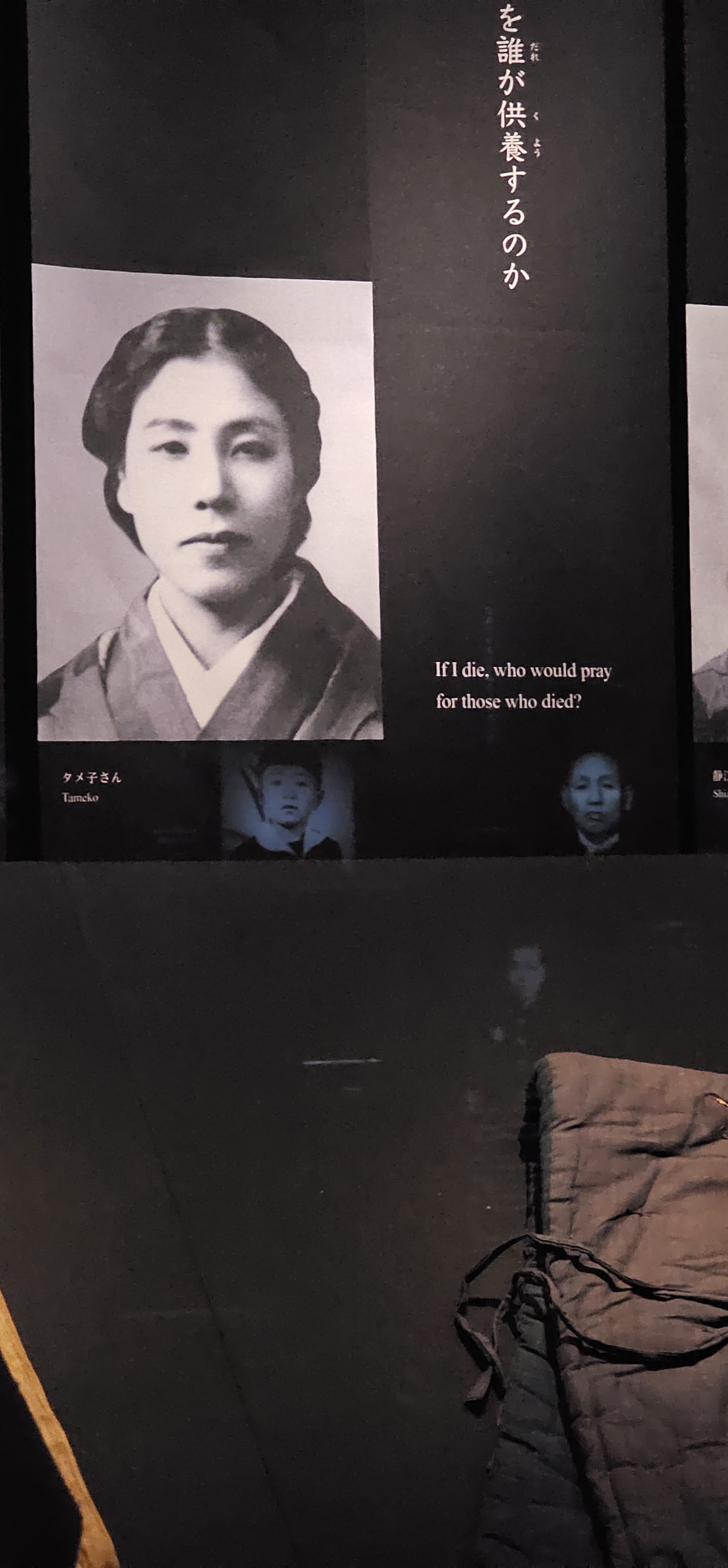
As I thought that the stories of the children made my heart broken, there was one story from a mother named Tamako written “If I die, who would pray for those who died?”, that was the time that my heart shattered inside the museum. I do not know if I can still walk or continue the museum tour. I kept on weeping, even other museum visitors noticed me. I collected my thoughts and decided to move on the other sections of the museum.
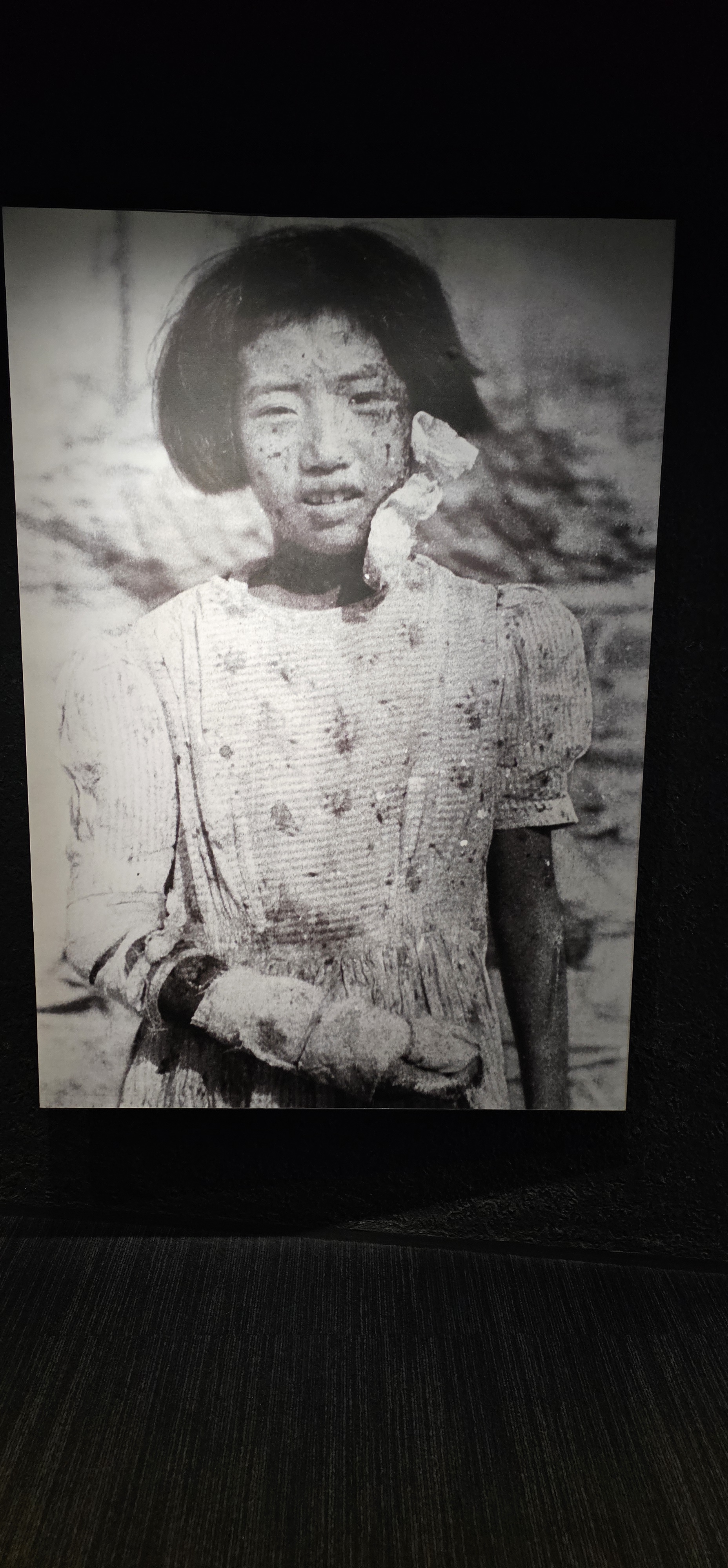
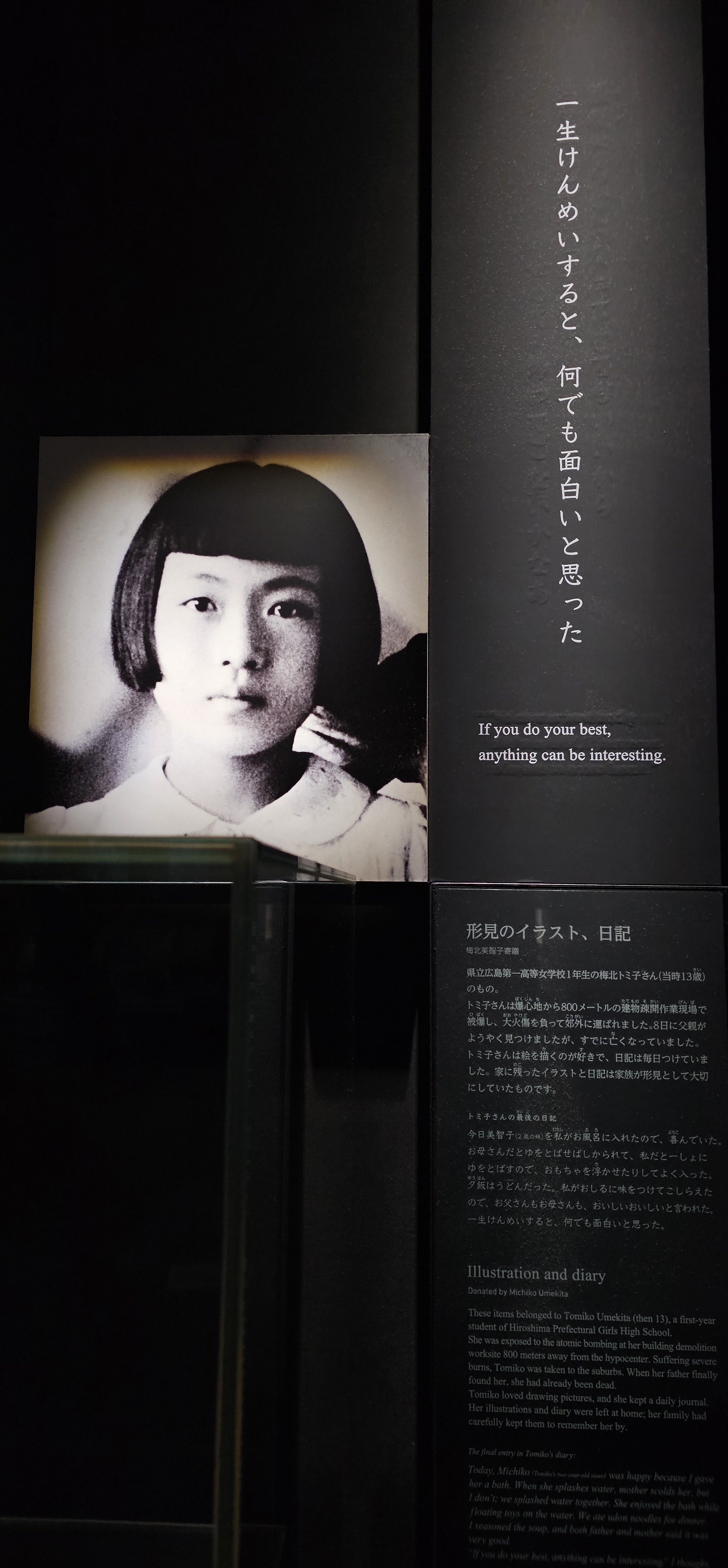
Before the museum closes, I managed to read most of the important notes about the war including the letter of Albert Einstein to the US Government and the letter of Pope Francis.
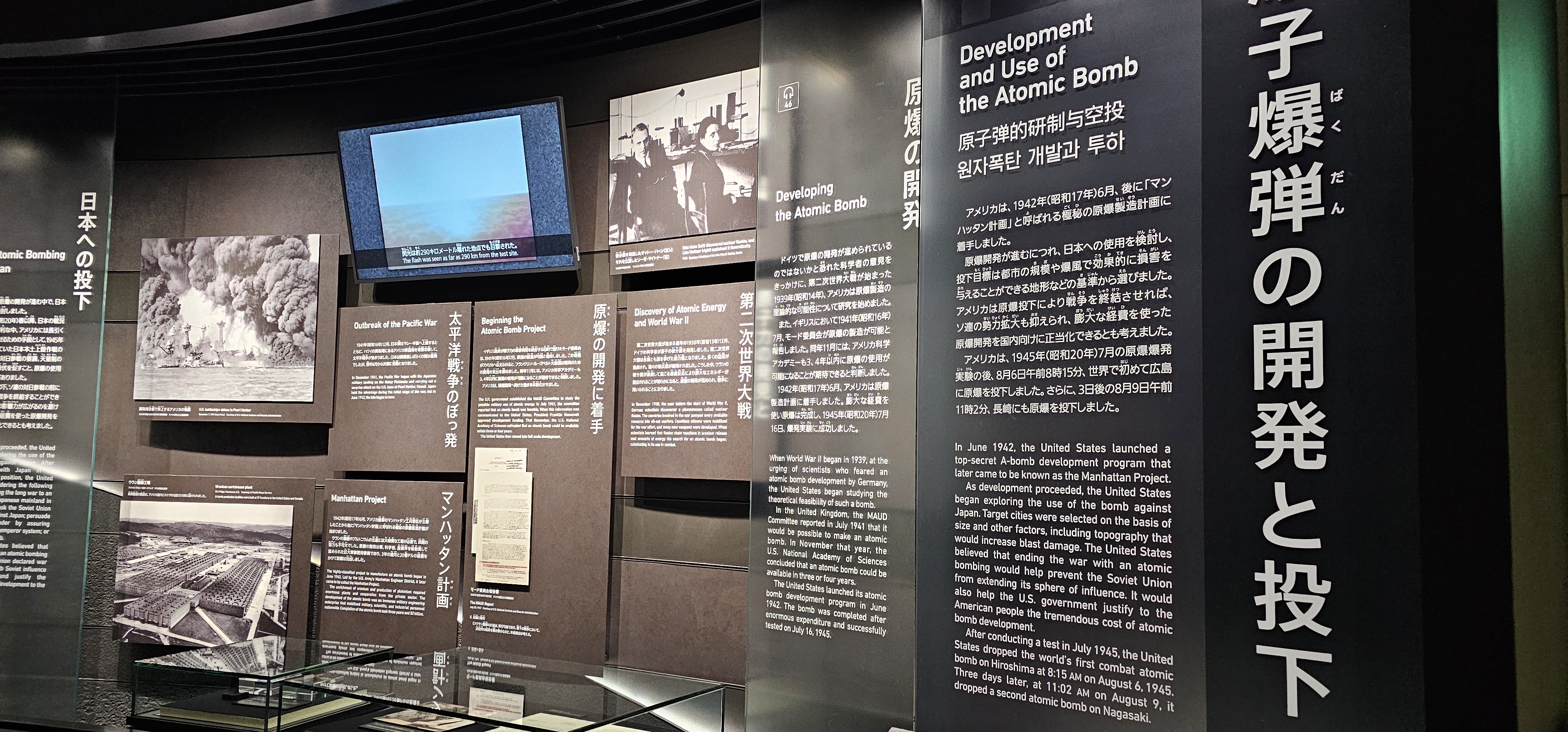
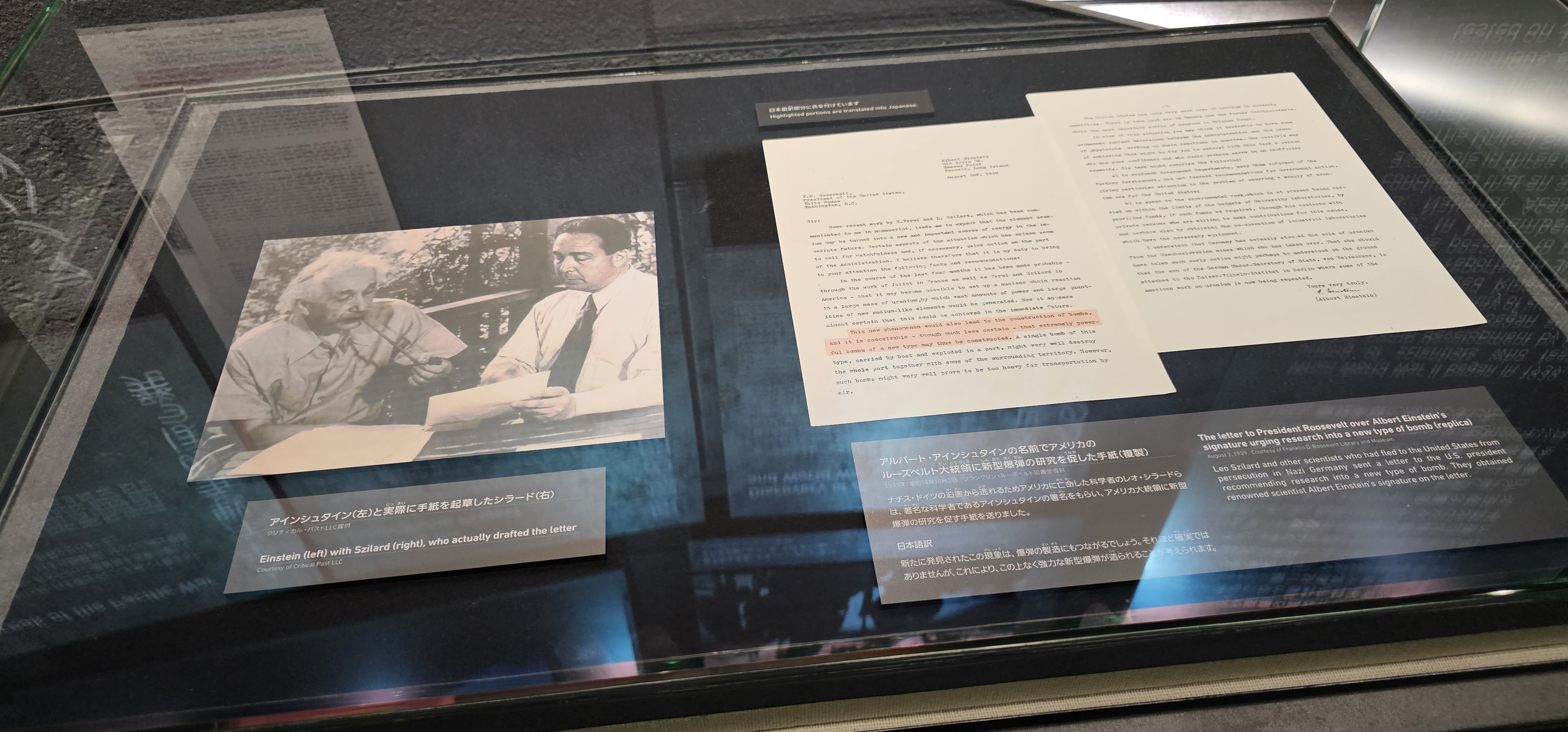
It was indeed an experience that I will cherish for the rest of my life. Though it was more than 70 years after the bombing in Hiroshima, the museum helped me to understand what it was to be like in a war. All the memorabilia from the victims of the bombing made me realize how quickly life will change you.
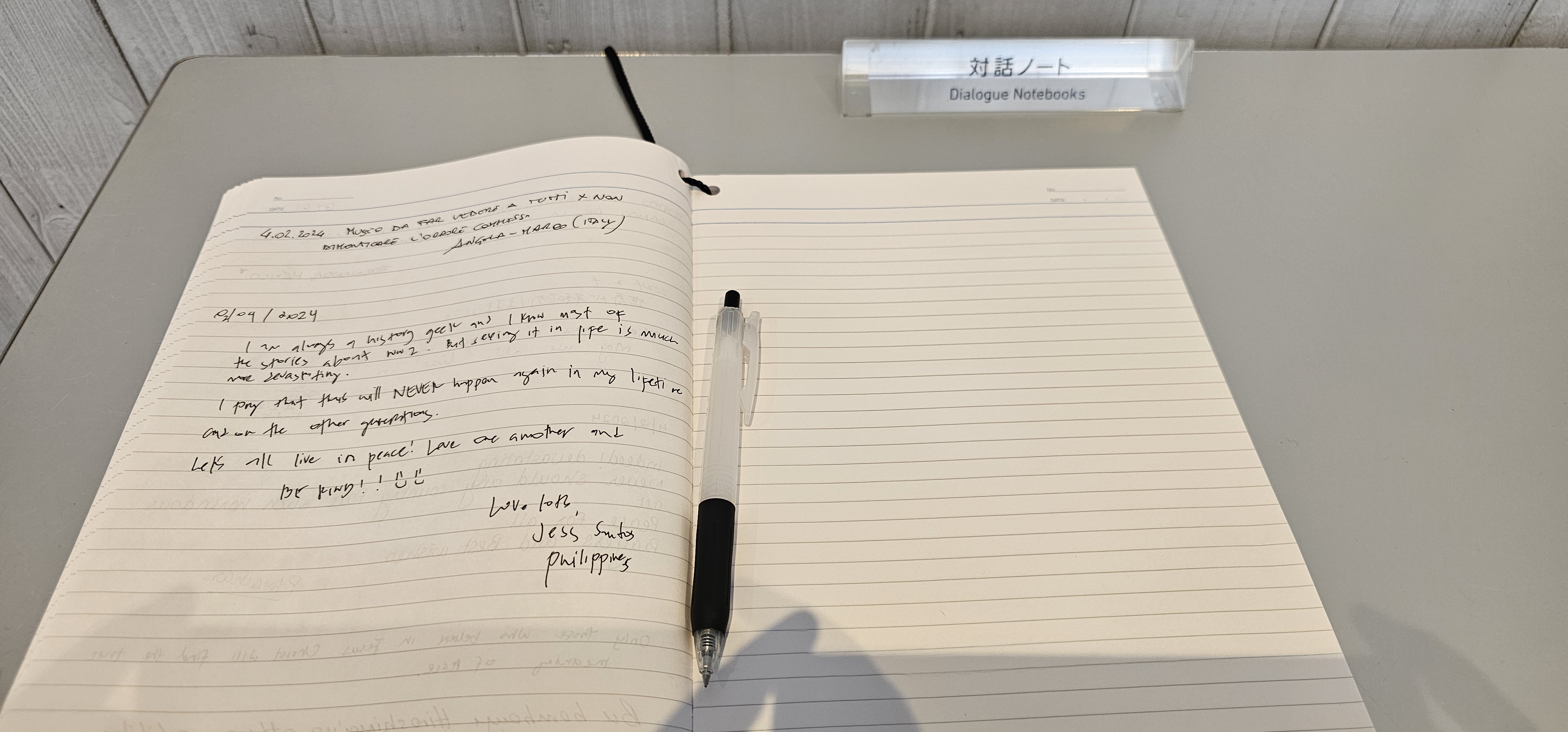
As I walked outside the museum, I left a message on a notebook. I pray that we will all live in a place of peace where no one will be harmed again. A place where kindness is abundant, leaving us no space for hatred.
Visiting Hiroshima was a lifelong dream for me that turned to reality. Though that reality may have been heartbreaking, I am still willing to feel it again but turning it to kindness and sharing my own stories of my travel in Hiroshima.
Hiroshima is not a place of war; it is a place where peace has been given and will be shared to all.
My next stop in Hiroshima is the Miyajima Island. Please read my next blog! 💜
Travel Date: February 4, 2024

 HeartofJess.Blog
Leave a reply to My Era in Japan – HeartofJess.Blog Cancel reply